 EN
EN
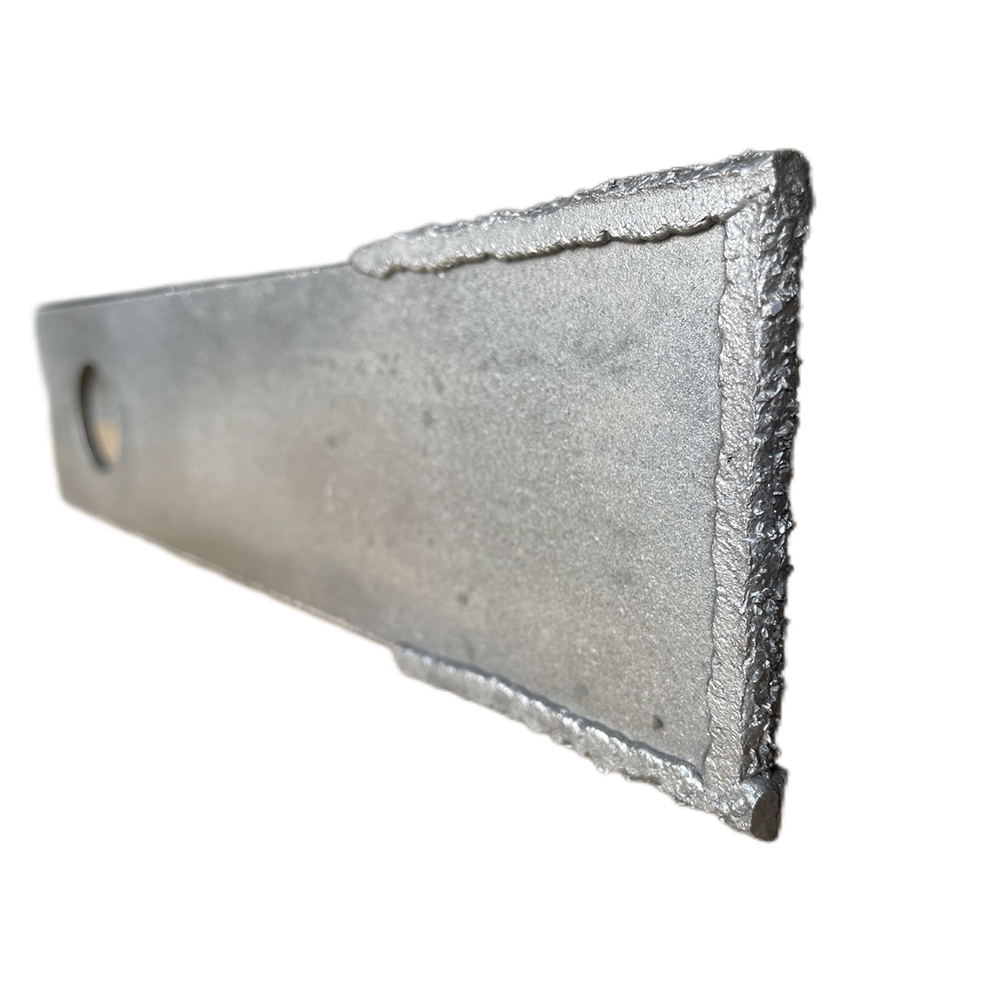
Industrial crushing and grinding operations face significant performance challenges when the wrong hammer beater components are selected for their specific applications. Poor hammer beater selection creates cascading problems throughout the entire production line, from reduced throughput and increased energy consumption to accelerated wear patterns and unexpected downtime. Understanding these performance issues is critical for operators who depend on consistent, efficient material processing to meet production targets and maintain competitive operational costs.
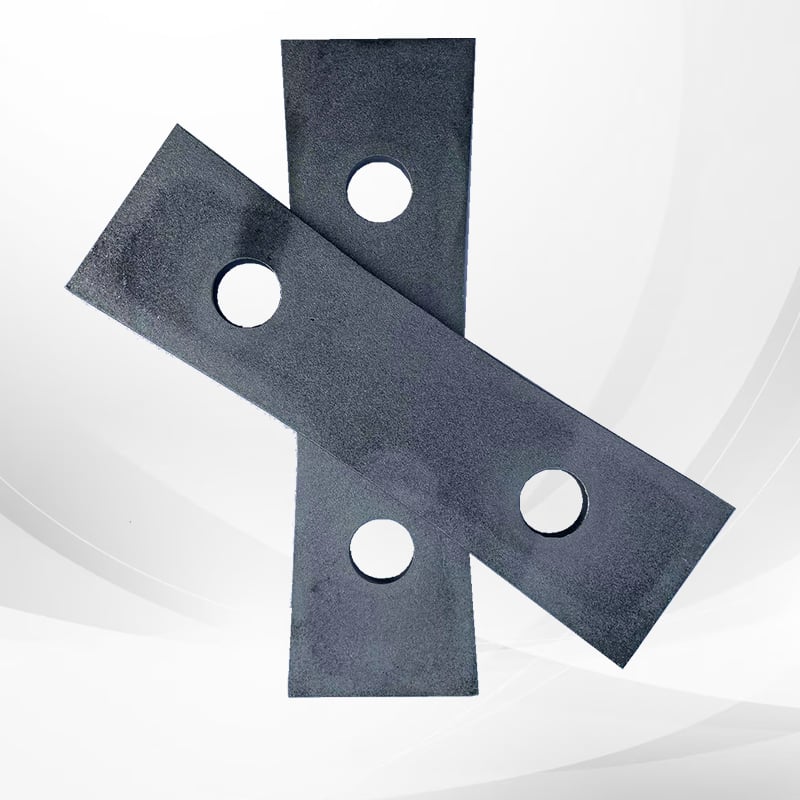
The relationship between proper hammer beater selection and system performance extends beyond simple component functionality. Modern crushing systems require precise matching between beater characteristics and material properties, operating conditions, and production requirements. When this alignment fails, the resulting performance degradation affects not only immediate productivity but also long-term operational sustainability and maintenance costs across the entire facility.
Reduced Throughput and Processing Capacity
Inadequate Material Liberation
Improper hammer beater selection frequently results in insufficient material liberation, creating bottlenecks that reduce overall system throughput. When the beater design does not match the hardness, abrasiveness, or brittleness characteristics of the processed material, the crushing action becomes inefficient. This inefficiency manifests as larger particle sizes in the output stream, requiring additional passes through the system or downstream processing stages to achieve target specifications.
The geometry and striking surface of the hammer beater directly influence how effectively material breaks down during impact. Smooth-surfaced beaters may struggle with certain fibrous or sticky materials, while aggressive textured surfaces might create excessive fines when processing brittle substances. This mismatch between beater characteristics and material properties forces operators to reduce feed rates to achieve acceptable product quality, directly impacting production capacity.
Material flow patterns within the crushing chamber also deteriorate when the wrong hammer beater configuration is employed. Poor material liberation creates uneven residence time distribution, with some particles receiving excessive processing while others pass through with minimal size reduction. This variation in processing effectiveness reduces the predictability and consistency of the output stream.
Suboptimal Particle Size Distribution
Incorrect hammer beater selection often produces particle size distributions that fail to meet downstream process requirements. When beaters cannot generate the appropriate impact energy or crushing action for the specific material being processed, the resulting particle sizes may be too coarse for subsequent operations or contain excessive fines that complicate separation processes.
The weight and moment of inertia of the hammer beater significantly influence the energy transfer during impact events. Lightweight beaters may lack sufficient momentum to fracture harder materials effectively, while overly heavy beaters can generate excessive forces that create unwanted fines and increase power consumption. This imbalance in energy delivery creates particle size distributions that deviate from optimal ranges for downstream processing.
Consistency in particle size distribution becomes particularly challenging when the hammer beater selection does not account for variations in feed material characteristics. As material properties fluctuate throughout production runs, an improperly selected beater cannot adapt its crushing action to maintain consistent output specifications, leading to quality variations that affect downstream processes.
Accelerated Wear and Component Failure
Premature Beater Degradation
Mismatched hammer beater selection accelerates wear patterns that significantly reduce component service life and increase replacement costs. When beaters operate outside their optimal application range, they experience stress concentrations and impact forces that exceed design parameters. This operational mismatch creates localized wear patterns that can lead to premature failure, often manifesting as edge chipping, surface erosion, or catastrophic fracture.
The material composition and heat treatment of the hammer beater must align with the specific abrasiveness and impact characteristics of the processed material. Soft beater materials used with highly abrasive feed stocks experience rapid surface wear that alters the crushing geometry and reduces effectiveness over time. Conversely, extremely hard beater materials may become brittle under high-impact conditions, leading to sudden fracture failures that can damage other system components.
Thermal cycling effects become more pronounced when hammer beater selection does not consider the heat generation characteristics of the specific application. Materials with high moisture content or those that generate significant friction during processing can cause thermal stress in improperly selected beaters, leading to metallurgical changes that compromise structural integrity and accelerate failure modes.
Secondary Component Damage
Poor hammer beater selection creates dynamic imbalances and abnormal forces that propagate throughout the crushing system, causing premature wear in secondary components such as bearings, shafts, and housing structures. When beaters operate inefficiently, they generate vibration patterns and force vectors that exceed the design parameters of supporting components, leading to accelerated degradation of the entire system.
The rotor assembly experiences additional stress when hammer beater selection creates unbalanced loading conditions. Asymmetric wear patterns or differential performance between individual beaters can generate dynamic forces that stress rotor bearings and drive systems beyond their intended operating limits. This secondary damage often proves more costly to repair than the original hammer beater replacement.
Screen and grate components downstream of the crusher also suffer when improper hammer beater selection produces particle size distributions that overload separation systems. Oversized particles can cause screen blinding or damage, while excessive fines can overwhelm separation capacity and reduce overall system efficiency.
Energy Consumption and Operational Inefficiency
Increased Power Requirements
Improper hammer beater selection directly correlates with elevated energy consumption as crushing systems work harder to achieve target performance levels. When the beater design does not optimize energy transfer for the specific material being processed, more power is required to generate equivalent crushing action. This inefficiency manifests as higher motor loads, increased electrical consumption, and elevated operating costs that compound over time.
The aerodynamic characteristics of the hammer beater influence power requirements during high-speed rotation. Beaters with inappropriate shapes or surface textures can create excessive air resistance that increases parasitic power losses without contributing to material processing effectiveness. These losses become particularly significant in high-capacity systems where multiple beaters operate simultaneously at elevated rotational speeds.
Energy transfer efficiency deteriorates when hammer beater mass distribution does not match the impact requirements of the processed material. Systems operating with suboptimal beater selection often exhibit power consumption patterns that fluctuate significantly with material feed variations, indicating poor energy utilization and reduced operational stability.
Heat Generation and Thermal Management
Incorrect hammer beater selection can lead to excessive heat generation that complicates thermal management and reduces overall system efficiency. When beaters cannot process material effectively, increased friction and prolonged residence time generate heat that must be managed through additional cooling systems or reduced throughput rates. This thermal burden adds operational complexity and energy costs that further degrade system performance.
The thermal characteristics of different hammer beater materials influence heat generation patterns during operation. Materials with poor thermal conductivity can develop hot spots that affect crushing performance and accelerate local wear rates. Conversely, highly conductive beater materials may transfer excessive heat to processed materials, potentially causing unwanted chemical or physical changes in temperature-sensitive applications.
Cooling system capacity often becomes insufficient when hammer beater selection generates higher thermal loads than anticipated. The additional energy required for cooling systems represents a direct operational cost that reduces the overall efficiency and profitability of the crushing operation.
Maintenance and Downtime Challenges
Increased Maintenance Frequency
Poor hammer beater selection creates maintenance schedules that deviate significantly from planned intervals, disrupting production schedules and increasing operational costs. When beaters wear prematurely or create secondary damage to other system components, maintenance crews must perform more frequent inspections, repairs, and replacements that reduce overall equipment availability.
The complexity of maintenance operations increases when improper beater selection causes unpredictable failure patterns. Instead of following established wear curves and replacement schedules, maintenance teams must respond reactively to component failures that occur at irregular intervals. This reactive approach reduces maintenance efficiency and increases the risk of unexpected downtime events.
Inventory management becomes more challenging when hammer beater performance varies significantly from expected service life. Maintenance departments must maintain higher spare parts inventories to accommodate unpredictable replacement cycles, increasing carrying costs and storage requirements while reducing operational flexibility.
Unplanned Downtime Events
Catastrophic failures resulting from improper hammer beater selection can cause extended unplanned downtime that severely impacts production schedules and customer commitments. When beaters fail suddenly due to operating outside their design parameters, the resulting damage often extends beyond simple component replacement to include repairs of secondary systems and safety inspections.
The cascading effects of beater-related failures can propagate throughout integrated production systems, causing shutdowns that affect multiple process lines simultaneously. These system-wide impacts multiply the cost and complexity of recovery operations, particularly in facilities where crushing operations represent critical bottlenecks in the overall production flow.
Emergency repairs required after sudden hammer beater failures often involve expedited parts procurement and overtime labor costs that significantly exceed routine maintenance expenses. The urgency of these repairs can also compromise repair quality, leading to shorter service life and increased risk of repeat failures.
Product Quality and Consistency Issues
Specification Deviation
Improper hammer beater selection frequently results in processed material that fails to meet established quality specifications, creating downstream processing problems and potential customer quality issues. When the crushing action does not match material characteristics, the resulting particle size distribution, surface texture, or contamination levels may deviate from acceptable ranges, requiring additional processing or product rejection.
Consistency in product quality becomes particularly challenging when hammer beater performance degrades unpredictably due to improper selection. As beaters wear or operate outside optimal parameters, product characteristics can drift gradually, making quality deviations difficult to detect until they exceed acceptable limits. This delayed detection can result in significant quantities of off-specification material before corrective actions can be implemented.
The relationship between hammer beater condition and product quality requires careful monitoring when beater selection is suboptimal. Systems operating with inappropriate beaters may produce acceptable quality initially but experience rapid degradation as operating conditions change or component wear accelerates beyond predicted rates.
Contamination and Foreign Material Issues
Excessive wear resulting from poor hammer beater selection can introduce metallic contamination into processed material streams, creating quality problems that affect downstream applications and end-product performance. When beaters wear rapidly due to improper material matching, metal particles from the beater surface can contaminate the product stream, particularly in applications where magnetic separation is not employed.
The generation of excessive fines due to inappropriate hammer beater selection can create separation challenges that allow foreign material to remain in final products. When crushing action produces particle size distributions outside the design range of downstream separation equipment, contaminants that would normally be removed may pass through to final products, compromising quality and potentially affecting customer applications.
Surface damage to beaters operating outside their intended application range can create sharp edges or irregular surfaces that tear or shred processed materials rather than cleanly fracturing them. This mechanical damage can introduce fibrous contaminants or create particle shapes that complicate downstream handling and processing operations.
FAQ
How can operators identify when hammer beater selection is causing performance problems?
Operators should monitor key performance indicators including power consumption patterns, particle size distribution consistency, maintenance frequency, and product quality metrics. Sudden increases in energy consumption, frequent beater replacements, inconsistent output specifications, or elevated vibration levels often indicate improper beater selection. Regular performance trending and comparison to baseline operational parameters can help identify developing issues before they cause significant production disruption.
What factors should be considered when selecting replacement hammer beaters?
Critical selection factors include material hardness and abrasiveness characteristics, feed rate and particle size requirements, rotor speed and tip velocity, operating temperature conditions, and maintenance accessibility. The beater material composition, geometry, weight distribution, and attachment method must align with specific application requirements. Additionally, consideration should be given to spare parts availability, cost-effectiveness, and compatibility with existing system components.
Can improper hammer beater selection affect other parts of the processing system?
Yes, incorrect beater selection creates performance issues that propagate throughout the entire processing system. Poor crushing efficiency can overload downstream separation equipment, create bottlenecks in material flow, and affect final product quality. Additionally, abnormal forces and vibration patterns generated by inappropriate beaters can damage bearings, shafts, and structural components, leading to cascading maintenance issues and potential system-wide downtime events.
What is the typical cost impact of using incorrect hammer beaters?
The cost impact extends well beyond the initial beater purchase price to include increased energy consumption, reduced throughput capacity, accelerated maintenance cycles, unplanned downtime, and potential product quality issues. Studies indicate that improper beater selection can increase total operating costs by 15-30% compared to optimized systems. These costs accumulate through higher power bills, increased spare parts consumption, overtime maintenance labor, and lost production revenue during unexpected shutdowns.
Table of Contents
- Reduced Throughput and Processing Capacity
- Accelerated Wear and Component Failure
- Energy Consumption and Operational Inefficiency
- Maintenance and Downtime Challenges
- Product Quality and Consistency Issues
-
FAQ
- How can operators identify when hammer beater selection is causing performance problems?
- What factors should be considered when selecting replacement hammer beaters?
- Can improper hammer beater selection affect other parts of the processing system?
- What is the typical cost impact of using incorrect hammer beaters?