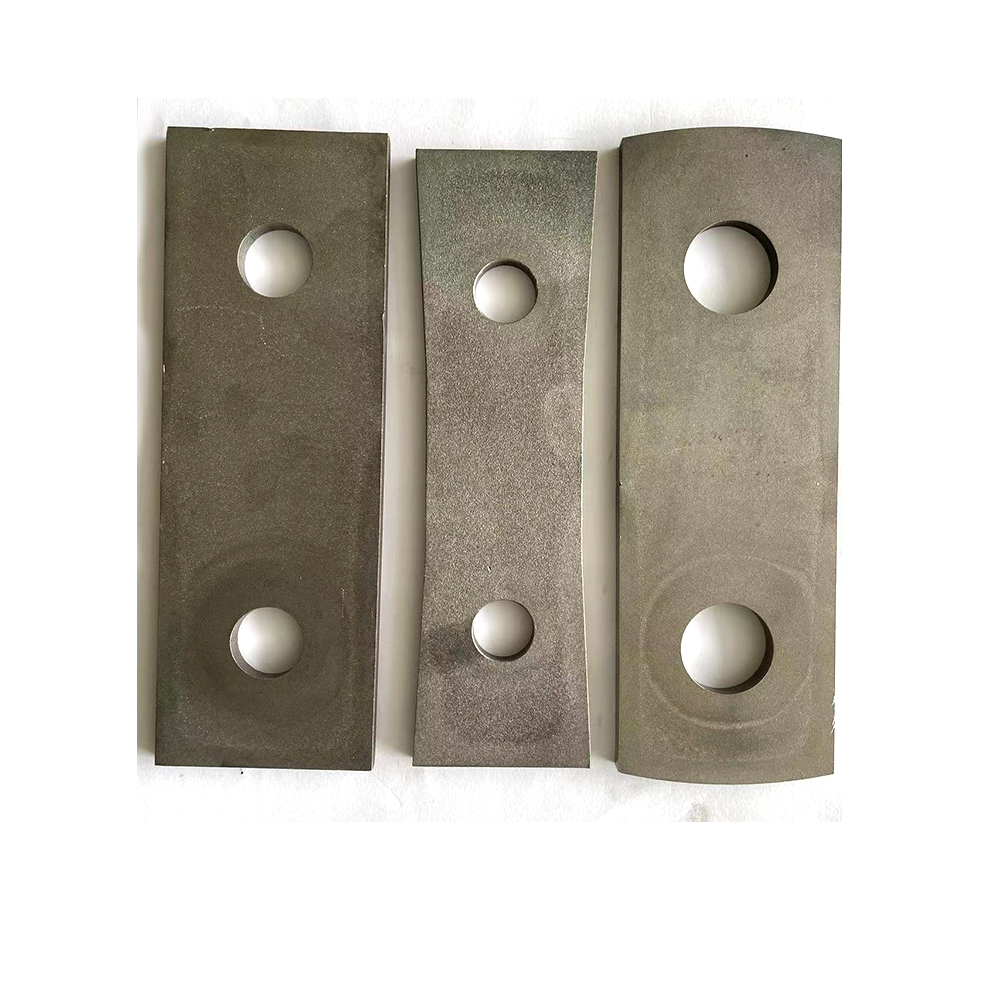
The efficiency of material breakage in hammer mills depends fundamentally on how the hammer mill beater engages with the physical and mechanical properties of the feed material. This interaction is not a simple impact event but a complex sequence of ...
VIEW MORE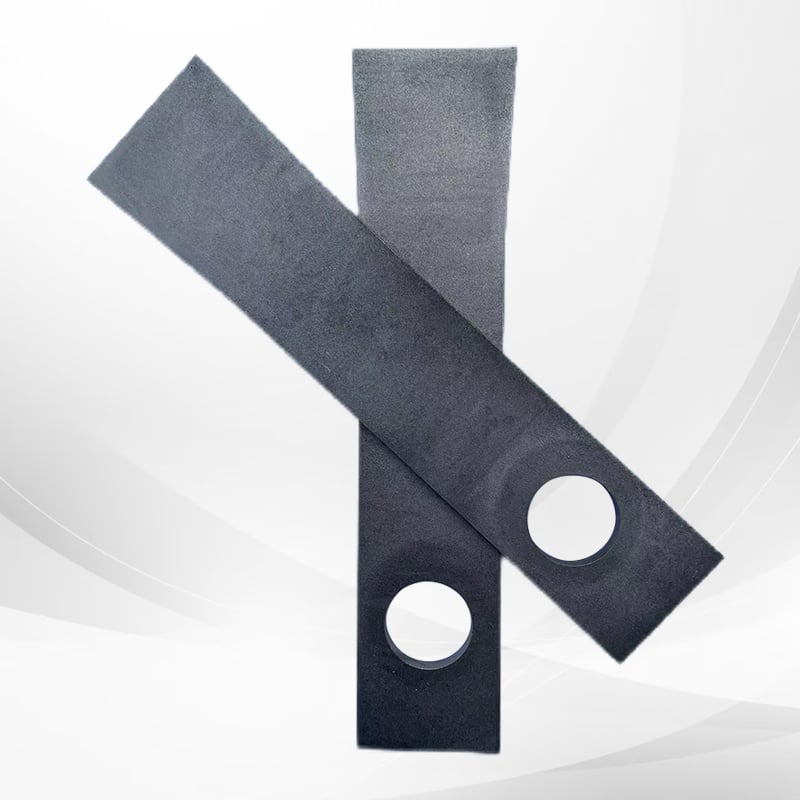
Understanding the factors that determine wear rate of a hammer mill beater in heavy duty applications is essential for maintaining operational efficiency and controlling maintenance costs in industrial milling operations. The hammer mill beater serve...
VIEW MORE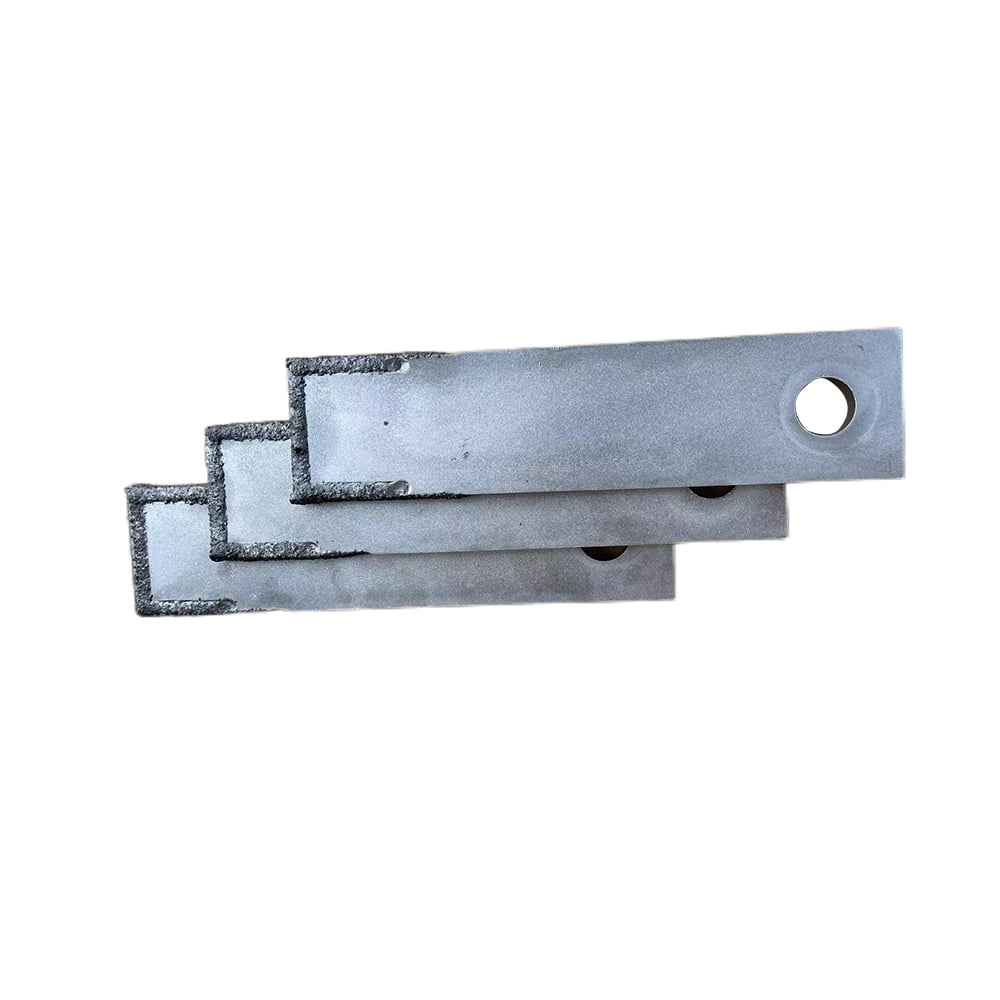
In continuous milling operations, the hammer beater serves as the primary impact component responsible for reducing material size through high-velocity collisions. Understanding the wear patterns that develop on these critical components is essential...
VIEW MORE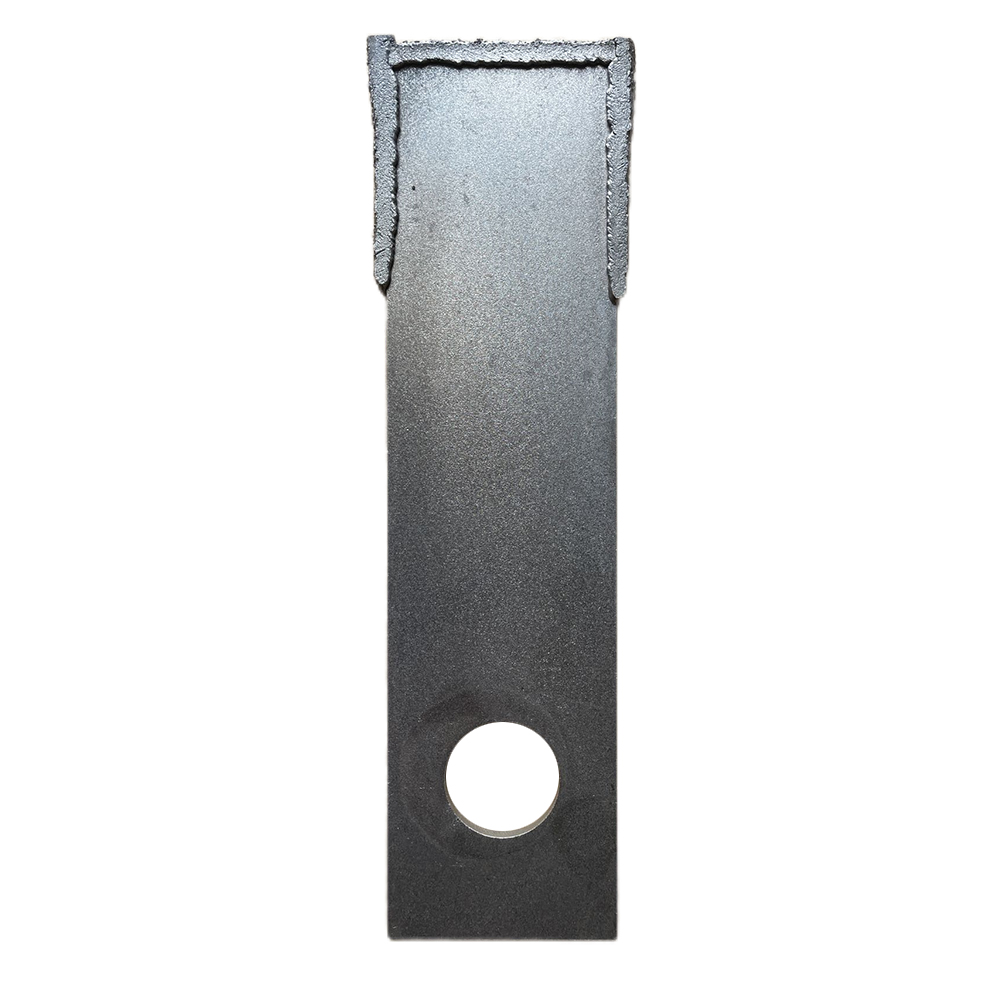
In industrial milling operations, the hammer mill blade serves as the primary component responsible for particle size reduction, material throughput, and product consistency. When these blades deteriorate or operate under suboptimal conditions, the e...
VIEW MORE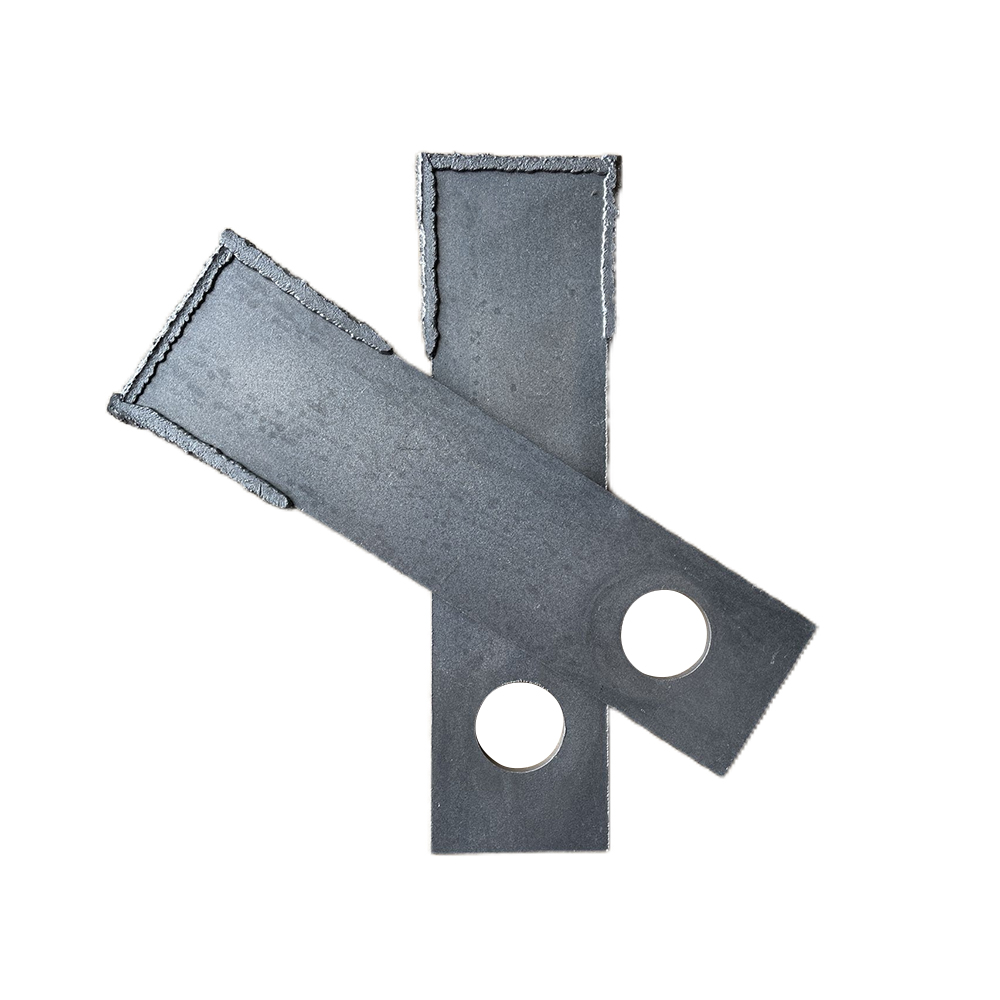
The particle size distribution achieved in hammer milling operations depends critically on the design characteristics of the hammer mill blade itself. Engineers and operators seeking to optimize grinding performance must understand how blade geometry...
VIEW MORE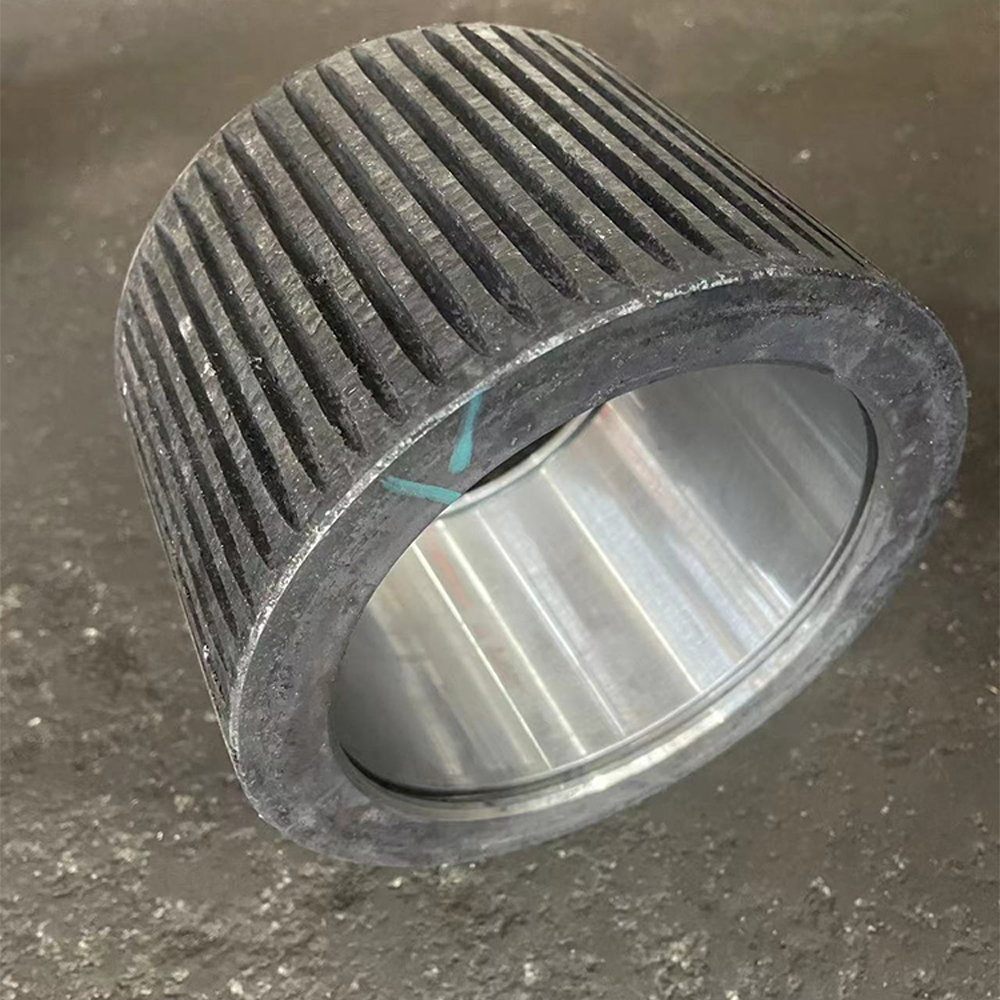
In pellet mill operations, the mechanical components that directly contact feed or biomass material carry enormous responsibility for the final product's characteristics. Among these components, the roller shell sits at the very heart of the compress...
VIEW MORE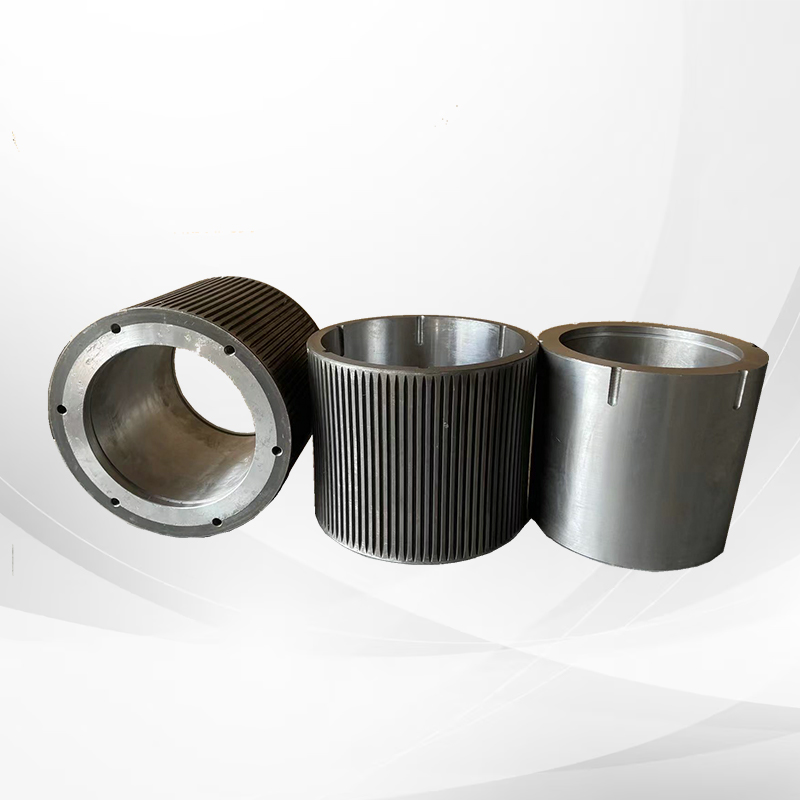
In the world of pellet manufacturing, the smallest components often carry the greatest responsibility. Among them, the roller shell stands out as one of the most operationally critical parts in any pellet mill system. Its condition, material composit...
VIEW MORE
In any size reduction or grinding facility, consistent throughput is the backbone of profitability. When the primary grinding element begins to degrade faster than planned, the entire production line feels the impact — from uneven particle output to ...
VIEW MORE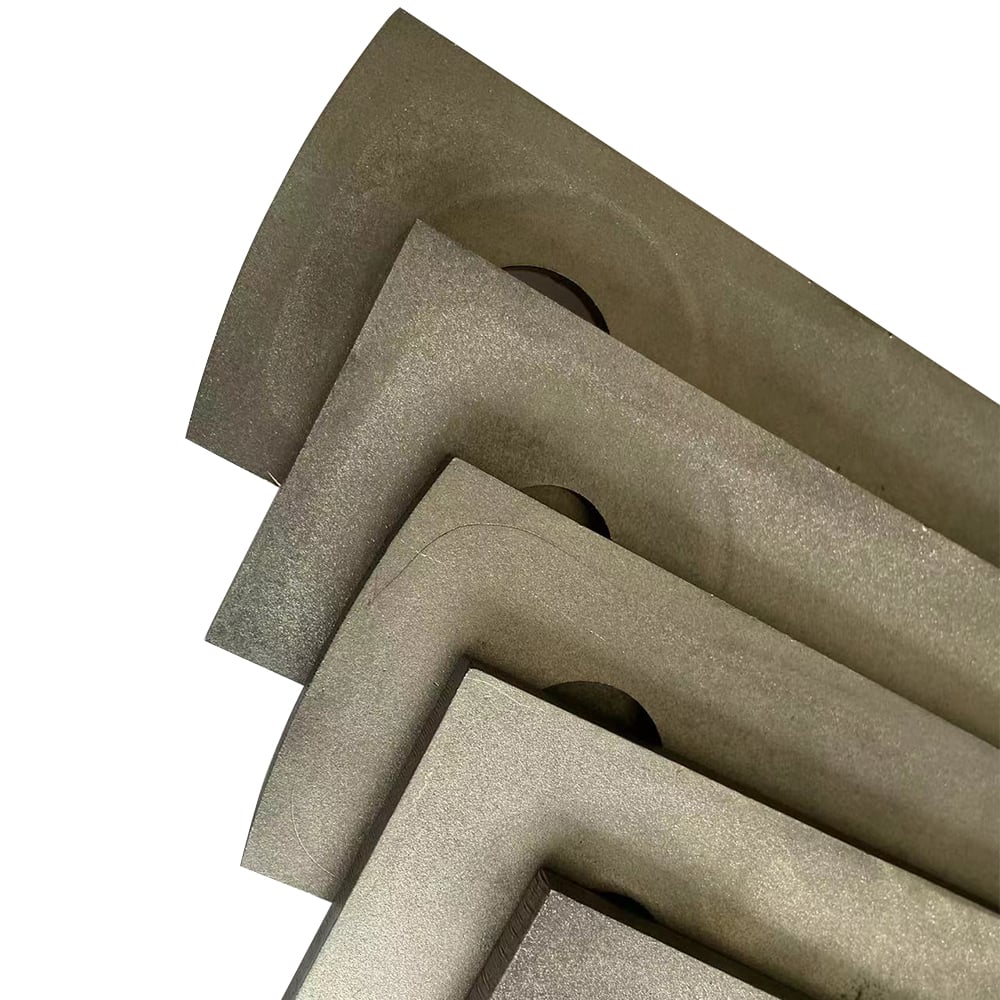
In industrial grinding and size-reduction applications, the performance of a mill depends heavily on the mechanical components that make direct contact with raw material. Among these, the hammer mill beater plays a defining role. Its geometry, materi...
VIEW MORE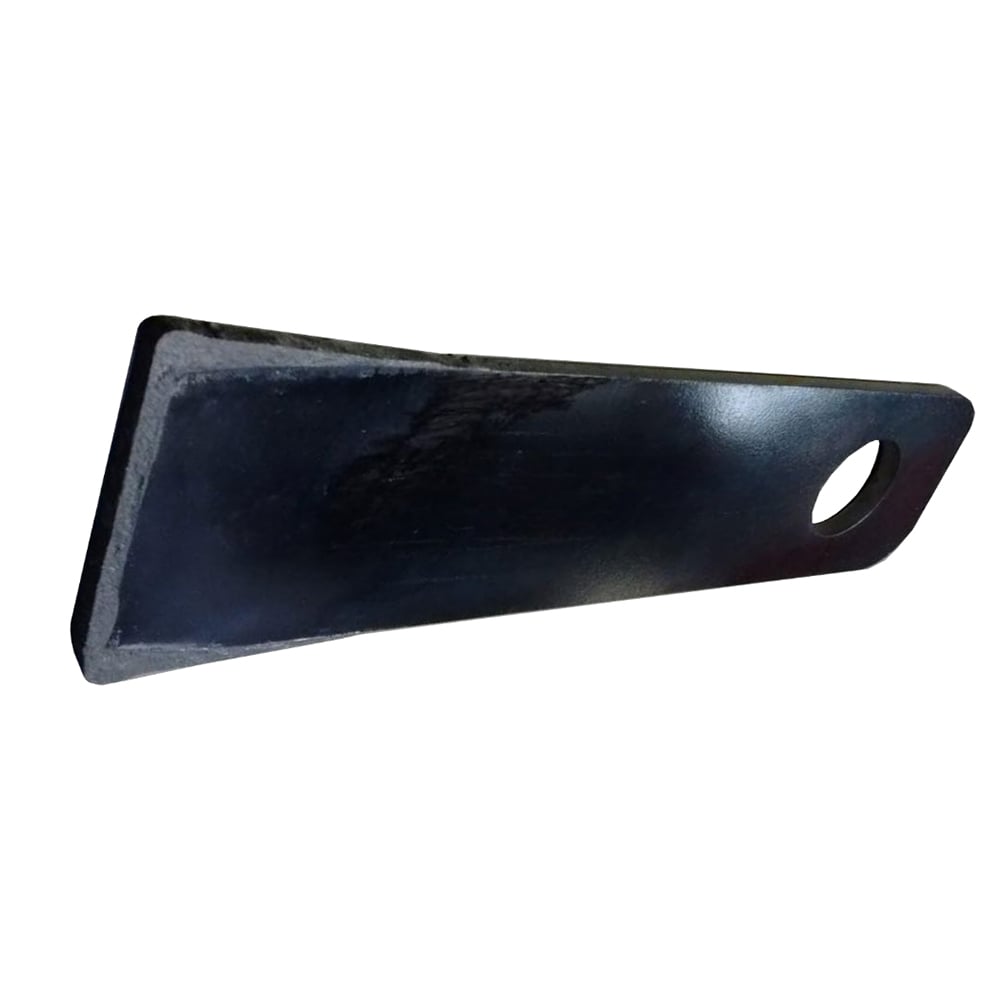
In industrial milling operations, the performance of every component directly influences throughput, energy consumption, and product quality. Among these components, the hammer beater stands out as one of the most mechanically critical elements in an...
VIEW MORE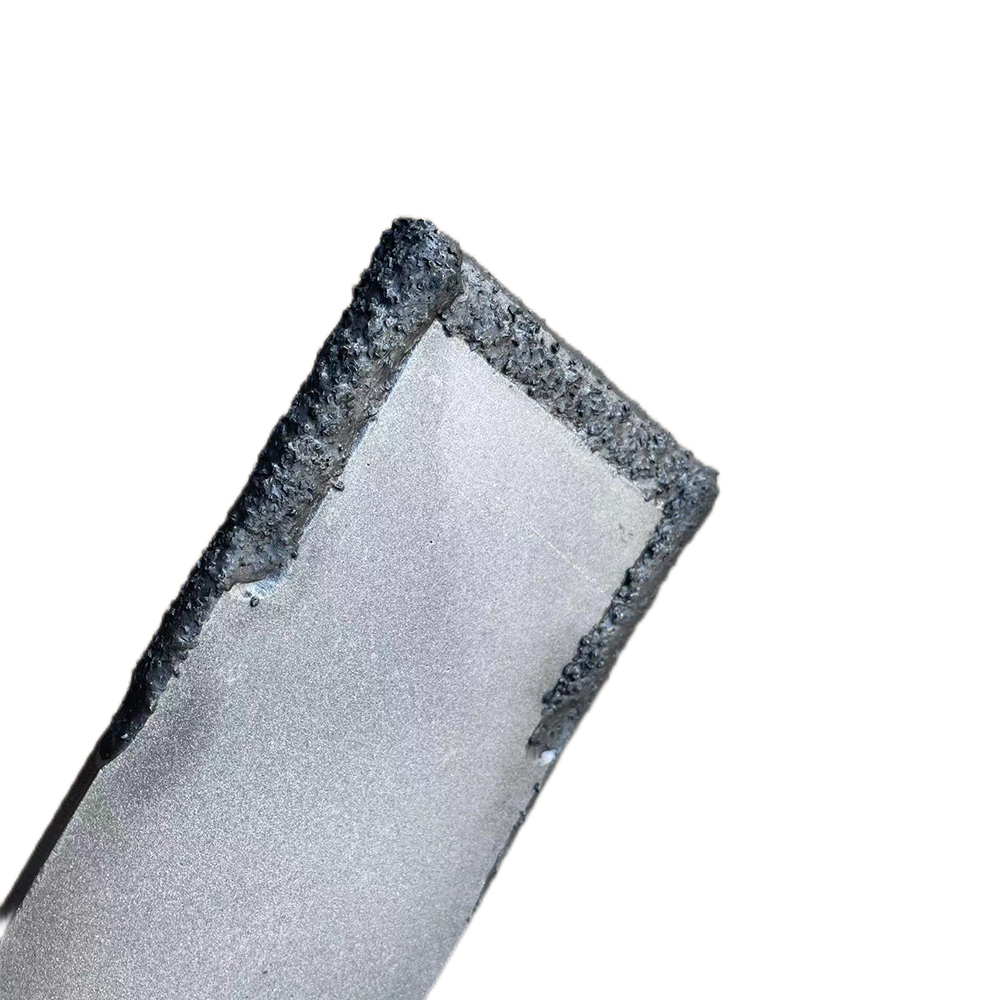
Yes, roller shell specifications are frequently misunderstood during equipment selection, leading to costly mistakes in industrial applications. Many procurement teams and engineers focus primarily on basic dimensions and material grades while overlo...
VIEW MORE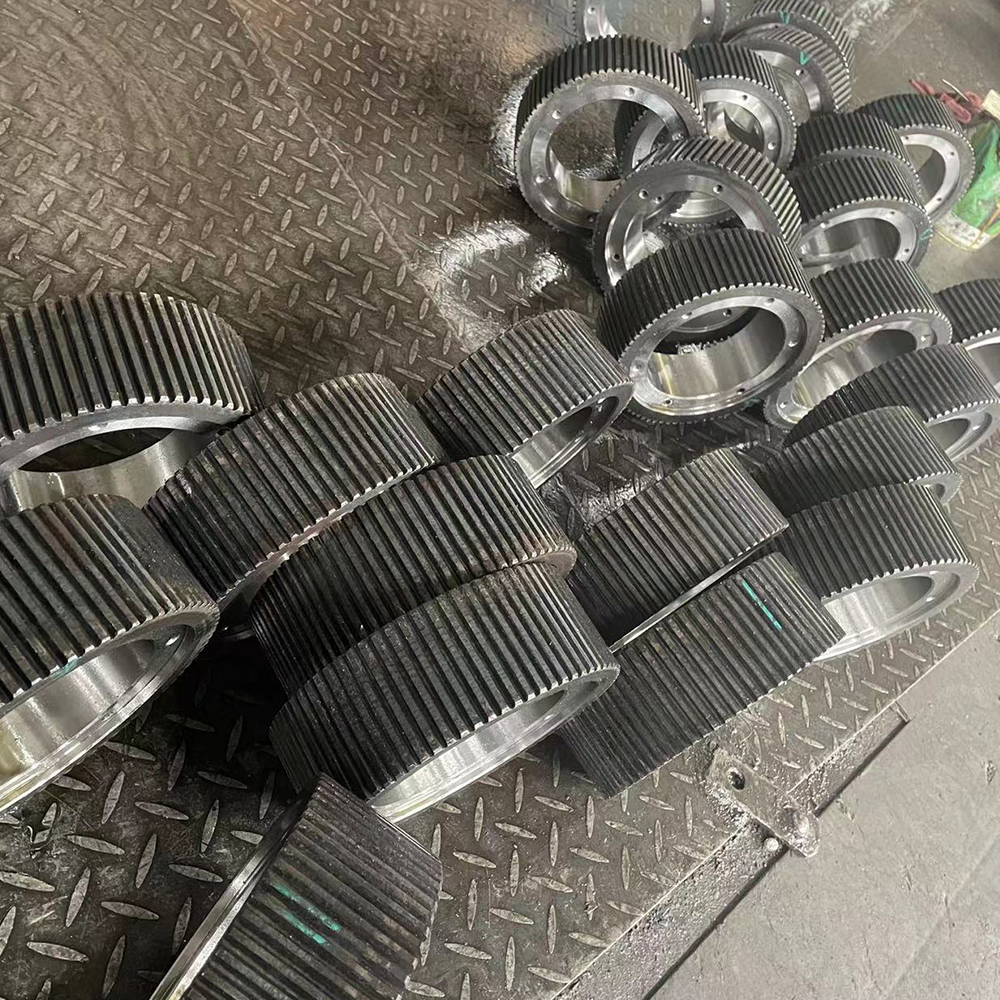
The effectiveness of material compaction processes hinges on numerous engineering factors, but none is more fundamental than roller shell surface design. This critical component directly influences particle interaction, force distribution, and the ov...
VIEW MORE EN
EN