 EN
EN
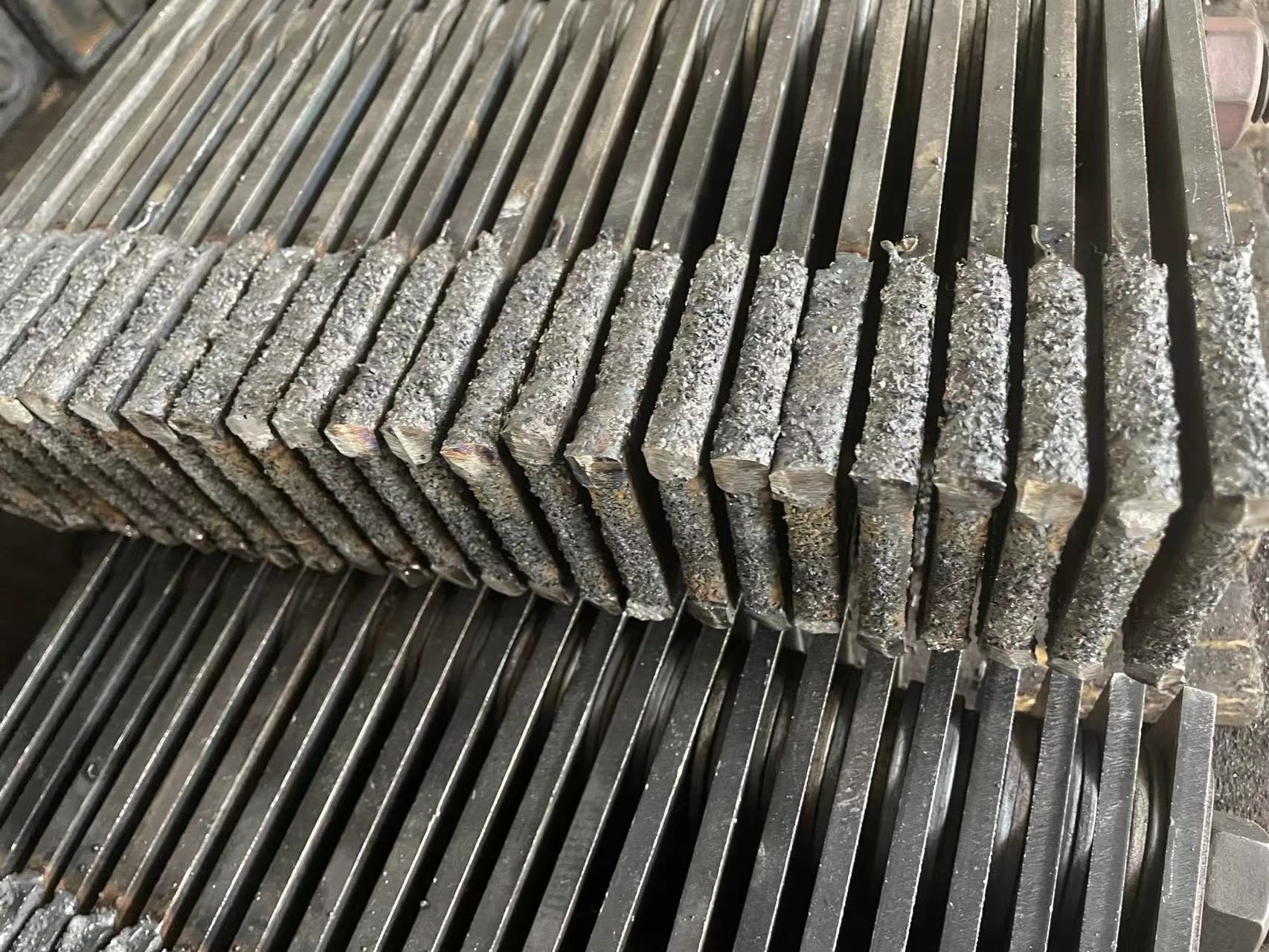
In high-load crushing operations where material throughput demands exceed standard processing capabilities, the mechanical integrity and performance characteristics of crushing equipment become critical success factors. The hammer beater design serves as the fundamental component that determines operational efficiency, wear resistance, and overall system reliability under extreme working conditions. Understanding why specific design elements matter in these demanding environments directly impacts productivity, maintenance costs, and equipment longevity across industrial crushing applications.
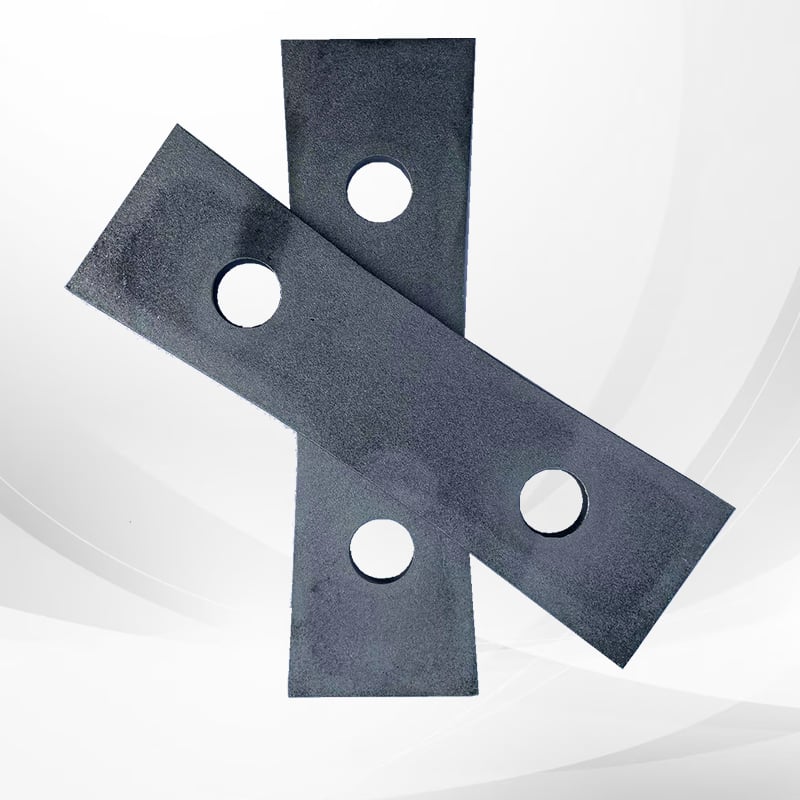
High-load crushing scenarios place extraordinary stress on hammer beater components through repetitive impact forces, abrasive material contact, and thermal cycling that can rapidly degrade poorly designed elements. The strategic approach to hammer beater design addresses these operational challenges through material selection, geometric optimization, and structural reinforcement techniques that enable sustained performance under crushing loads that would compromise conventional designs. This engineering focus becomes essential for operations processing hard materials, maintaining continuous production schedules, or operating in environments where equipment failure carries significant economic consequences.
Material Performance Requirements Drive Design Decisions
Impact Resistance Through Strategic Alloy Selection
The fundamental reason hammer beater design matters in high-load operations stems from the extreme impact forces generated during material fracturing processes. Each crushing cycle subjects the hammer beater to instantaneous stress concentrations that can reach several times the yield strength of standard steel alloys. Effective hammer beater design incorporates high-impact steel compositions with carefully balanced carbon content and alloying elements that provide superior toughness without sacrificing hardness characteristics. The metallurgical properties achieved through proper alloy selection enable the hammer beater to absorb and dissipate impact energy while maintaining dimensional stability under repeated loading cycles.
Advanced hammer beater design utilizes heat treatment processes that optimize the microstructure for impact resistance while ensuring adequate hardness for wear protection. The resulting material properties allow the hammer beater to withstand the shock loading inherent in high-capacity crushing operations without experiencing brittle failure or excessive plastic deformation. This material performance foundation directly influences operational reliability and determines whether crushing equipment can maintain consistent output under demanding production schedules.
Wear Resistance Through Surface Engineering
High-load crushing operations generate intense abrasive conditions that rapidly erode inadequately protected hammer beater surfaces. Strategic hammer beater design addresses this challenge through surface hardening techniques that create wear-resistant zones while maintaining core toughness properties. The design approach often incorporates differential hardening patterns that place maximum hardness at high-wear contact areas while preserving impact resistance in structural sections of the hammer beater component.
The engineering rationale behind specialized surface treatments in hammer beater design reflects the economic reality that premature wear leads to frequent replacement cycles and extended downtime periods. Properly designed hammer beater surfaces can extend operational life by factors of three to five compared to conventional designs, directly translating to reduced maintenance costs and improved production continuity in high-throughput crushing applications.
Geometric Configuration Influences Crushing Efficiency
Profile Optimization for Material Flow
The geometric aspects of hammer beater design significantly impact material flow patterns and energy transfer efficiency within the crushing chamber. Optimal hammer beater design incorporates carefully calculated profile angles and edge configurations that maximize material engagement while minimizing energy losses through inefficient impacts. The relationship between hammer beater geometry and crushing performance becomes particularly critical in high-load operations where small efficiency improvements translate to substantial productivity gains.
Strategic hammer beater design considers the material trajectory and impact angles required for effective size reduction while ensuring consistent material discharge patterns. The geometric parameters influence particle size distribution, energy consumption per ton processed, and overall system throughput capacity. These design considerations become essential for operations requiring specific product gradation or maximum processing rates under challenging material conditions.
Weight Distribution and Balance Characteristics
The mass distribution within hammer beater design directly affects rotational dynamics and vibration characteristics of the crushing equipment. Proper weight balance in hammer beater design ensures smooth operation at high rotational speeds while minimizing bearing loads and structural stress on supporting components. The engineering approach to weight distribution considers both static balance requirements and dynamic forces generated during high-speed operation under varying material loads.
Imbalanced or poorly designed hammer beater components create excessive vibration that can damage supporting structures and reduce equipment reliability. Effective hammer beater design incorporates precise weight calculations and may include counterbalancing features that maintain operational smoothness even when wear patterns develop asymmetrically during service life. This attention to dynamic balance becomes increasingly important in high-load applications where equipment operates at maximum capacity for extended periods.
Structural Integrity Under Extreme Operating Conditions
Stress Concentration Management
High-load crushing operations subject hammer beater components to complex stress fields that include impact loading, centrifugal forces, and thermal expansion effects. Effective hammer beater design identifies potential stress concentration points and incorporates geometric features that distribute loads more uniformly across the component structure. The design approach typically includes radius transitions, reinforcement ribs, and strategic material thickness variations that prevent crack initiation at high-stress locations.
The engineering analysis behind hammer beater design considers fatigue life requirements under cyclic loading conditions that characterize continuous high-load crushing operations. Stress concentration factors directly influence component longevity, making careful attention to design details essential for achieving target service life expectations. Properly executed hammer beater design can significantly extend operational intervals between replacements while maintaining consistent performance characteristics.
Thermal Management in Design Configuration
Intensive crushing operations generate substantial heat through material deformation and friction processes that can affect hammer beater performance and longevity. Strategic hammer beater design incorporates thermal considerations that account for expansion effects, temperature gradients, and potential metallurgical changes under elevated operating temperatures. The design approach may include cooling features, thermal barrier treatments, or material selections that maintain properties under thermal cycling conditions.
Temperature effects in hammer beater design become particularly significant when processing materials that generate excessive heat or when operating in high-ambient-temperature environments. Effective design solutions address thermal expansion compatibility with mounting systems and ensure that material properties remain stable across the expected temperature range. This thermal management aspect of hammer beater design directly impacts reliability and safety in demanding operational environments.
Economic Impact of Design Excellence
Operational Cost Reduction Through Design Optimization
The economic justification for sophisticated hammer beater design lies in the substantial cost savings achieved through extended component life and improved operational efficiency. High-quality hammer beater design reduces replacement frequency, minimizes unplanned downtime, and decreases secondary processing requirements through more effective primary crushing performance. The initial investment in superior hammer beater design typically recovers through reduced operating costs within the first service interval.
Quantitative analysis of hammer beater design benefits demonstrates significant total cost of ownership improvements in high-load crushing applications. The design optimization approach considers not only component cost but also installation labor, downtime losses, and inventory requirements associated with frequent replacements. This comprehensive economic perspective drives the engineering decisions that distinguish superior hammer beater design from conventional approaches.
Production Continuity and Reliability Benefits
High-load crushing operations often support critical production processes where equipment failure creates cascading disruptions across entire manufacturing systems. Effective hammer beater design provides the reliability foundation necessary to maintain production schedules and meet delivery commitments in demanding industrial environments. The design approach prioritizes failure prevention through conservative engineering margins and proven material selections.
The business value of reliable hammer beater design extends beyond direct replacement costs to include production losses, customer satisfaction impacts, and supply chain disruptions that result from unexpected equipment failures. Strategic design investments in hammer beater components provide insurance against these broader operational risks while supporting aggressive production targets in competitive market conditions.
Performance Optimization Through Advanced Design Techniques
Computer-Aided Design and Analysis Methods
Modern hammer beater design leverages sophisticated computer modeling techniques that simulate operational conditions and predict performance characteristics before physical production. Finite element analysis enables designers to optimize hammer beater geometry for specific loading conditions while identifying potential failure modes and stress concentrations. This analytical approach to hammer beater design reduces development time and ensures optimal performance characteristics for high-load crushing applications.
Advanced design simulation capabilities allow engineers to evaluate multiple hammer beater design alternatives and select configurations that best match specific operational requirements. The modeling process considers material properties, geometric variables, and loading conditions to predict wear patterns, stress distributions, and expected service life. This scientific approach to hammer beater design optimization provides confidence in performance predictions and supports informed design decisions.
Field Testing and Design Validation
The development of effective hammer beater design requires extensive field testing under actual high-load crushing conditions to validate analytical predictions and refine design parameters. Testing programs monitor wear progression, performance metrics, and failure modes to confirm that hammer beater design meets operational requirements. The validation process ensures that design improvements translate to measurable benefits in real-world applications.
Comprehensive field testing of hammer beater design provides the data foundation necessary to establish maintenance intervals, predict replacement timing, and optimize inventory management strategies. The testing results guide continuous improvement efforts and support the development of application-specific design variants that address unique operational challenges in different industrial sectors.
FAQ
What specific design features make hammer beaters more effective in high-load crushing operations?
Effective hammer beater design for high-load operations incorporates several critical features including high-impact alloy materials, optimized geometric profiles for efficient material engagement, strategic weight distribution for operational balance, and surface hardening treatments for enhanced wear resistance. These design elements work together to provide superior impact absorption, extended service life, and consistent crushing performance under demanding operational conditions.
How does hammer beater design affect overall crushing system efficiency?
Hammer beater design directly influences crushing efficiency through impact energy transfer, material flow patterns, and particle size distribution control. Optimized designs maximize energy utilization during material fracturing while ensuring consistent discharge characteristics that support downstream processing requirements. Poor design results in energy waste, irregular product sizing, and reduced overall system throughput capacity.
What are the most common failure modes prevented by proper hammer beater design?
Proper hammer beater design prevents several critical failure modes including brittle fracture from impact overload, excessive wear from abrasive material contact, fatigue cracking from cyclic stress, and thermal degradation from excessive heat generation. Strategic design approaches address each failure mechanism through appropriate material selection, geometric optimization, and surface treatment techniques that ensure reliable operation under high-load conditions.
How do design improvements in hammer beaters translate to economic benefits?
Design improvements in hammer beaters create economic value through extended component life, reduced replacement frequency, decreased maintenance labor requirements, minimized production downtime, and improved crushing efficiency. The cumulative effect of these benefits typically provides a return on design investment within the first service interval while supporting more reliable production scheduling and reduced total cost of ownership throughout the equipment lifecycle.
Table of Contents
- Material Performance Requirements Drive Design Decisions
- Geometric Configuration Influences Crushing Efficiency
- Structural Integrity Under Extreme Operating Conditions
- Economic Impact of Design Excellence
- Performance Optimization Through Advanced Design Techniques
-
FAQ
- What specific design features make hammer beaters more effective in high-load crushing operations?
- How does hammer beater design affect overall crushing system efficiency?
- What are the most common failure modes prevented by proper hammer beater design?
- How do design improvements in hammer beaters translate to economic benefits?