 EN
EN
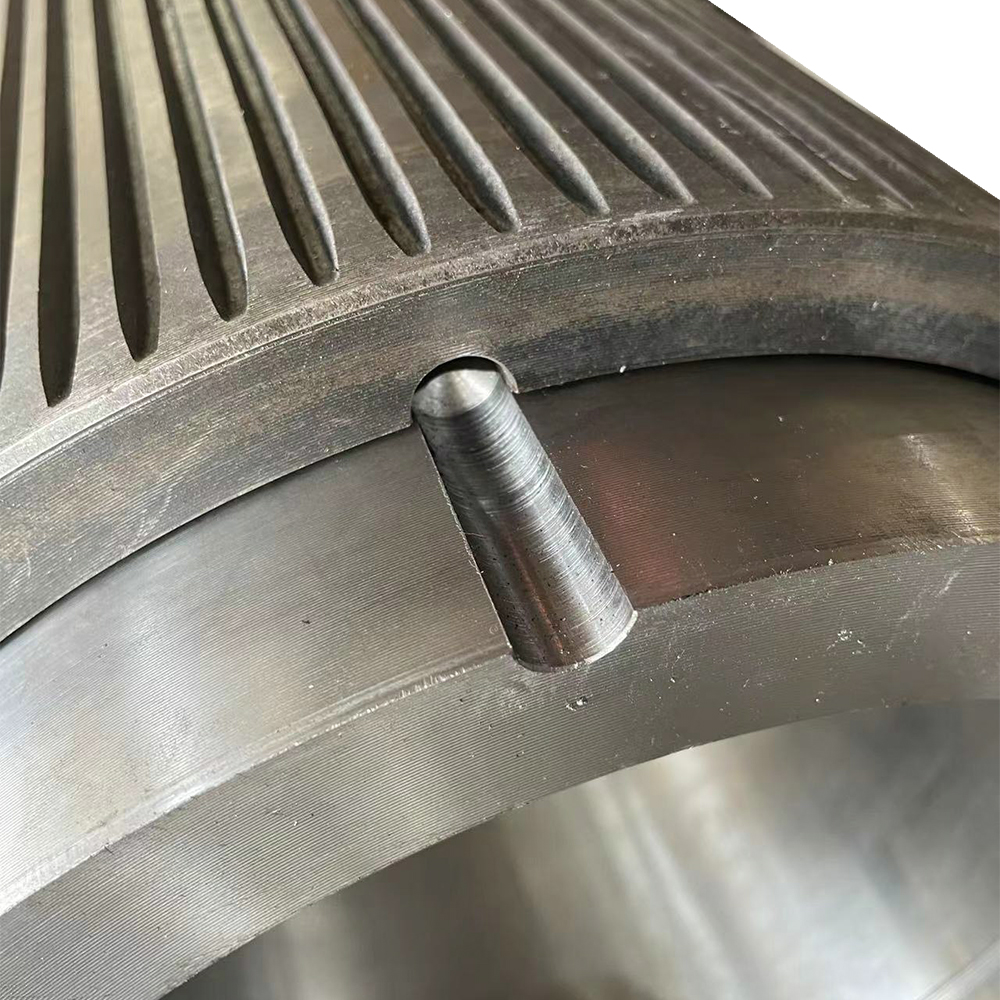
The geometric configuration of hammer mill beater shape represents one of the most critical design parameters affecting grinding performance in industrial milling operations. Understanding how different beater profiles interact with material flow, impact dynamics, and particle size distribution enables manufacturers to optimize their grinding processes for maximum efficiency and consistent output quality.
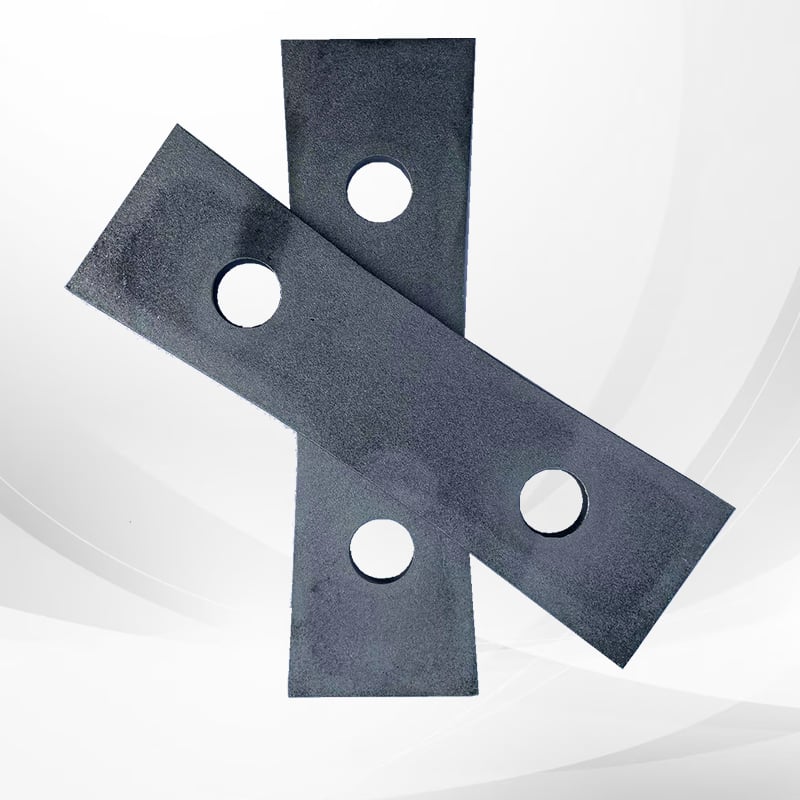
The relationship between beater geometry and grinding effectiveness involves complex interactions of aerodynamics, impact mechanics, and material handling characteristics. Each aspect of the hammer mill beater shape, from edge angles to surface contours, directly influences how materials are processed, making the selection of appropriate beater profiles essential for achieving target particle size specifications while maintaining operational efficiency.
Fundamental Principles of Beater Shape Design
Impact Surface Geometry and Energy Transfer
The primary striking surface of any hammer mill beater shape determines how kinetic energy transfers from the rotating hammer to the material being processed. Flat-faced beaters provide maximum impact area but may create more uniform stress distribution across the material surface. This design characteristic influences both the initial fracture patterns and the subsequent particle size development throughout the grinding process.
Curved or contoured beater surfaces modify the impact dynamics by concentrating forces at specific contact points. This focused energy application can enhance grinding efficiency for materials that respond well to localized stress concentrations. The curvature radius directly affects the contact duration and pressure distribution, ultimately influencing the particle size consistency achieved during operation.
Edge configurations represent another crucial element of hammer mill beater shape design. Sharp edges provide concentrated impact forces that excel at initiating fractures in brittle materials, while rounded edges distribute impact energy more gradually. The selection between these approaches depends on material characteristics and desired particle size distribution parameters.
Aerodynamic Properties and Material Flow
The aerodynamic profile of hammer mill beater shape significantly influences material flow patterns within the grinding chamber. Streamlined beater designs reduce air turbulence and promote more predictable material trajectories, leading to improved grinding consistency. The relationship between beater geometry and airflow affects both particle residence time and the uniformity of material exposure to grinding forces.
Beater thickness and cross-sectional shape directly impact air displacement characteristics during rotation. Thinner profiles create less air disturbance but may sacrifice structural integrity under high-impact conditions. The optimization of these competing factors requires careful consideration of operating parameters and material properties to achieve the desired balance between efficiency and durability.
Surface texture and finish quality of the hammer mill beater shape also contribute to aerodynamic performance. Smooth surfaces minimize air friction and promote consistent material flow, while textured surfaces may enhance material gripping and impact effectiveness. The selection of appropriate surface characteristics depends on specific application requirements and material handling considerations.
Material-Specific Beater Shape Optimization
Brittle Material Processing Characteristics
Brittle materials respond most effectively to sharp, concentrated impact forces that initiate rapid crack propagation. The optimal hammer mill beater shape for these applications typically features well-defined edges and minimal surface area to maximize stress concentration. This approach promotes efficient fracture initiation while minimizing energy loss through elastic deformation.
The angle of attack becomes particularly important when processing brittle materials. Beater shapes that present a perpendicular striking surface to the material flow direction tend to produce more consistent particle size distributions. However, slight angular modifications can improve material handling characteristics and reduce wear on both the beaters and chamber components.
Multi-stage fracture patterns common in brittle material grinding benefit from beater designs that accommodate both initial impact and subsequent particle refinement. Some hammer mill beater shape configurations incorporate multiple impact surfaces or graduated geometry to address different stages of the size reduction process within a single pass through the grinding zone.
Fibrous and Tough Material Considerations
Fibrous materials require different beater geometry approaches due to their tendency to bend and absorb impact energy rather than fracture cleanly. Effective hammer mill beater shape designs for these applications often feature cutting or shearing edges that slice through fiber structures rather than relying solely on impact forces.
The incorporation of serrated or toothed edges in beater designs can significantly improve grinding efficiency when processing tough, fibrous materials. These features concentrate forces along defined lines, promoting clean cuts through fiber bundles and reducing the tendency for material wrapping around beater surfaces.
Clearance relationships between beater edges and chamber surfaces become critical when processing fibrous materials. The hammer mill beater shape must maintain appropriate clearances to prevent fiber accumulation while ensuring effective material processing. This balance requires careful consideration of both geometric design and operational parameters.
Grinding Consistency and Particle Size Control
Uniformity Factors in Beater Design
Achieving consistent particle size distribution requires hammer mill beater shape designs that promote uniform material exposure to grinding forces. Symmetrical beater geometries tend to produce more predictable impact patterns, reducing variation in particle size output. The relationship between beater spacing, rotational speed, and impact frequency directly influences the consistency of grinding results.
Multiple beater configurations within a single rotor assembly can enhance grinding consistency by providing overlapping impact zones. This approach ensures that materials receive multiple grinding opportunities during their passage through the mill, reducing the likelihood of oversized particles escaping the grinding chamber.
The temporal consistency of grinding forces depends heavily on the precision of beater installation and maintenance. Even minor variations in hammer mill beater shape positioning or wear patterns can create significant differences in grinding performance across different areas of the mill chamber.
Screen Interaction and Particle Classification
The interaction between beater geometry and discharge screen design plays a crucial role in determining final particle size distribution. Beater shapes that promote effective material circulation near screen surfaces enhance classification efficiency and reduce the retention of oversized particles within the grinding chamber.
Airflow patterns generated by different hammer mill beater shape configurations affect particle transport toward discharge screens. Designs that create controlled air circulation can improve screen utilization and enhance the separation of properly sized particles from material requiring additional grinding.
The clearance between beater tips and screen surfaces influences both grinding efficiency and particle size consistency. Optimal clearance relationships depend on material characteristics, desired particle size, and screen opening dimensions. Proper management of these relationships requires ongoing attention to beater wear and screen condition.
Efficiency Optimization Through Beater Selection
Energy Consumption and Performance Relationships
The energy efficiency of hammer mill operations depends significantly on how effectively the selected beater shape converts rotational energy into useful grinding work. Beater designs that minimize air resistance while maximizing material impact effectiveness typically demonstrate superior energy performance characteristics.
Weight distribution within individual beater assemblies affects both energy consumption and grinding effectiveness. Heavier beater configurations store more kinetic energy but require additional power for acceleration. The optimal balance between impact energy and power consumption varies with material characteristics and production requirements.
Dynamic balance considerations become increasingly important as rotor speeds increase. Hammer mill beater shape designs must maintain precise weight distribution to prevent vibration issues that can reduce grinding efficiency and increase maintenance requirements. Proper balancing ensures consistent performance throughout the operational speed range.
Wear Characteristics and Operational Longevity
Different beater geometries exhibit varying wear patterns that directly affect both grinding performance and replacement intervals. Sharp-edged designs may provide superior initial grinding performance but typically experience more rapid wear, particularly when processing abrasive materials.
The relationship between hammer mill beater shape and wear resistance involves complex interactions between material hardness, impact frequency, and geometric stress concentrations. Beater designs that distribute wear more evenly across impact surfaces tend to maintain consistent performance characteristics throughout their service life.
Reversible beater designs offer significant advantages in terms of operational economy by allowing multiple service positions before replacement becomes necessary. These configurations require careful geometric design to ensure equivalent performance in all operational positions while maintaining proper balance characteristics.
FAQ
How does beater edge angle affect grinding performance in different materials?
Beater edge angle significantly influences grinding performance by controlling how impact forces are distributed during material contact. Sharp angles concentrate forces for effective brittle material fracture, while obtuse angles distribute energy more gradually for tough or fibrous materials. The optimal angle typically ranges from 30 to 90 degrees depending on material characteristics and desired particle size specifications.
What role does beater weight play in grinding efficiency and consistency?
Beater weight directly affects the kinetic energy available for material impact, with heavier beaters storing more energy for grinding operations. However, increased weight also requires more power for acceleration and can create greater stress on rotor components. The optimal weight balance considers material density, hardness, and production capacity requirements while maintaining acceptable power consumption levels.
How frequently should beater shape evaluation occur for optimal performance?
Regular evaluation of hammer mill beater shape should occur based on both operational hours and performance indicators. Most industrial applications benefit from weekly visual inspections and monthly detailed measurements of critical dimensions. Performance monitoring through particle size analysis and power consumption tracking can indicate when beater geometry changes are affecting grinding efficiency before replacement becomes necessary.
Can different beater shapes be mixed within a single rotor assembly?
While technically possible, mixing different hammer mill beater shapes within a single rotor assembly is generally not recommended due to balance concerns and unpredictable grinding patterns. Different geometries create varying aerodynamic and impact characteristics that can lead to vibration issues and inconsistent particle size distribution. Uniform beater selection across the entire rotor assembly typically provides the most reliable and efficient operation.