 EN
EN
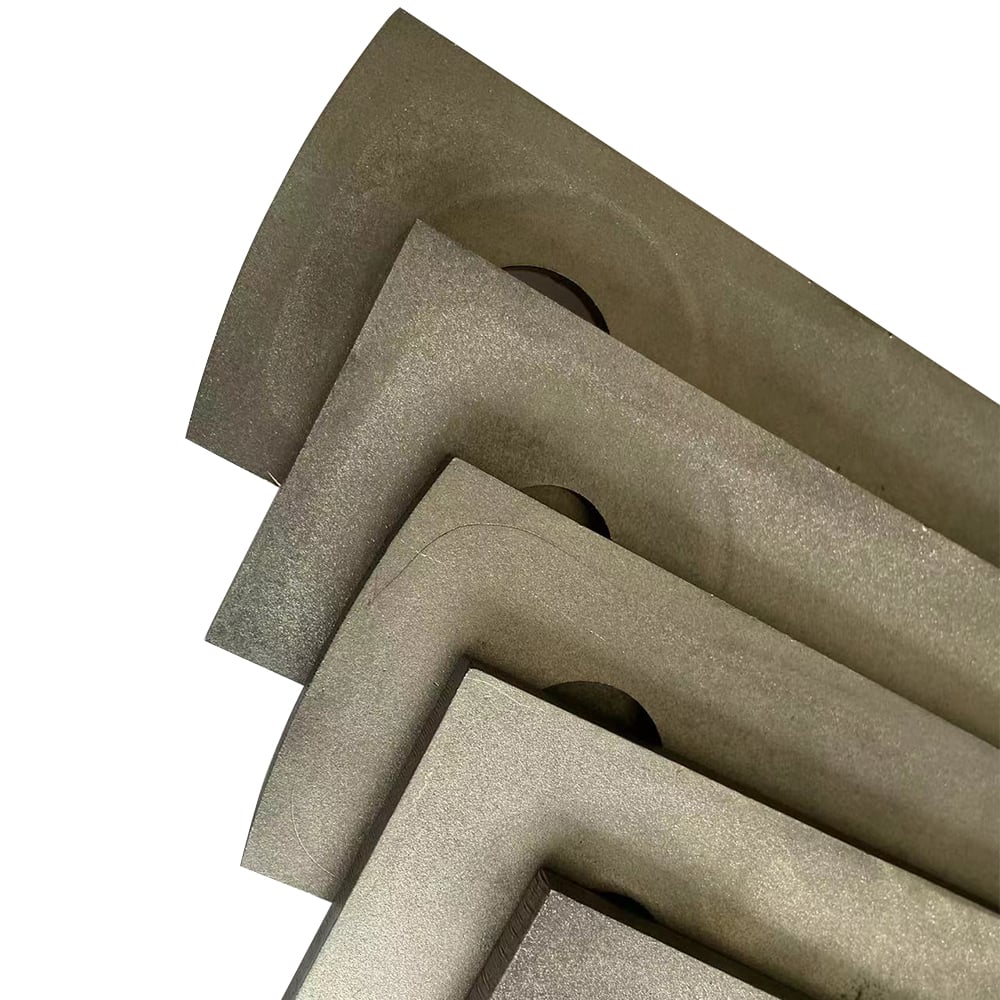
In industrial grinding and size-reduction applications, the performance of a mill depends heavily on the mechanical components that make direct contact with raw material. Among these, the hammer mill beater plays a defining role. Its geometry, material composition, edge profile, and mounting configuration all work together to determine how effectively feed material is broken down, how uniformly the particle size is distributed, and how long the component lasts before requiring replacement. For plant engineers and procurement specialists, understanding the mechanics behind beater design is not a theoretical exercise — it directly informs purchasing decisions, maintenance schedules, and throughput targets.
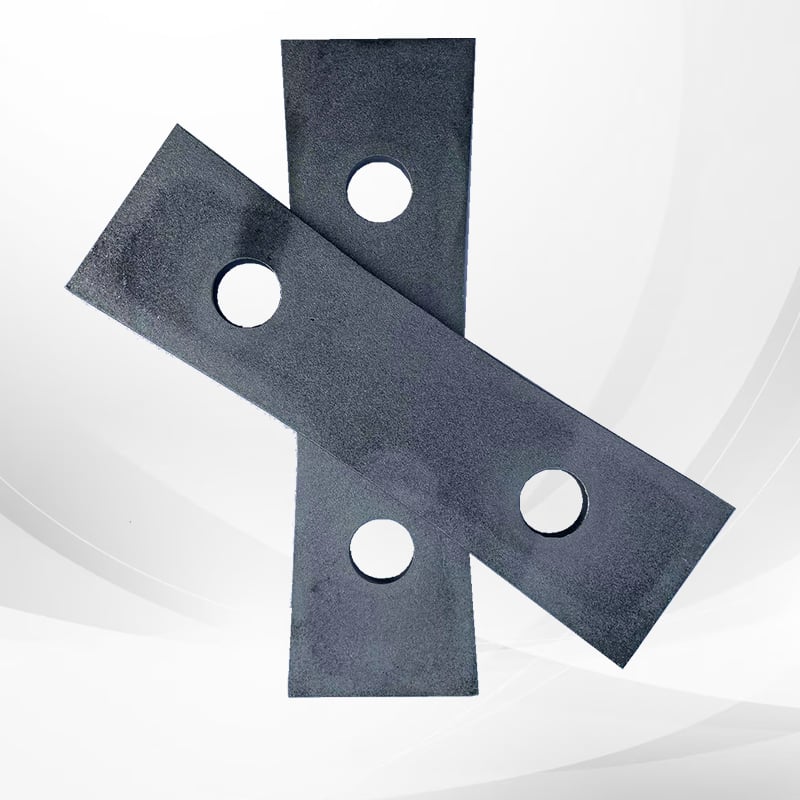
The relationship between beater design and crushing efficiency is not linear or simple. A hammer mill beater that excels in one application — say, coarse grain reduction — may perform poorly when applied to fibrous biomass or brittle minerals. Design variables interact with each other and with operating conditions in ways that require careful engineering judgment. This article walks through the core design parameters of a hammer mill beater, explains the mechanisms through which each parameter affects efficiency, and provides practical guidance for industrial buyers and engineers evaluating their milling systems.
The Fundamental Role of the Hammer Mill Beater in the Crushing Process
Impact Mechanics and Energy Transfer
At its core, a hammer mill beater functions by delivering high-velocity impact energy to incoming feed particles. As the rotor spins at operating speed, typically ranging from 1,500 to 3,600 RPM depending on the application, each beater sweeps through the mill chamber and strikes material that enters the crushing zone. The kinetic energy stored in the rotating mass is transferred to the particle on contact, initiating fracture propagation through the material structure.
The efficiency of this energy transfer depends on the beater's mass, its moment of inertia, and the contact surface geometry. A beater with a broader impact face delivers energy over a wider area, increasing the probability of particle fracture per strike. Conversely, a narrow or pointed profile concentrates force on a smaller contact zone, which can be more effective for hard, dense materials requiring high-pressure fracture rather than broad impact dispersion. Understanding this distinction is essential for matching hammer mill beater geometry to feed material characteristics.
The rotor assembly as a whole also affects how individual beaters perform. The spacing, angular distribution, and number of hammer mill beater elements mounted on the rotor determine the frequency of impacts per unit time, which directly influences throughput and particle size consistency. Too few beaters create uneven load distribution; too many may reduce effective impact velocity due to increased drag within the mill chamber.
The Relationship Between Beater Profile and Particle Size Distribution
One of the most critical performance metrics in any milling operation is particle size distribution — the range and uniformity of particle dimensions in the output material. The profile of the hammer mill beater, including whether its edges are sharp, beveled, or smooth, has a measurable effect on this distribution. Sharp-edged beaters tend to produce more uniform, finer particles by initiating clean shear fractures. Smooth-face or blunt beaters generate broader particle size distributions through more compressive impact loading.
For industries such as animal feed production, fine particle size and uniformity are essential for nutritional consistency and pelleting efficiency. In these contexts, a hammer mill beater with a sharp, well-defined impact edge is typically preferred. In contrast, coarse pre-crushing operations for ore processing or biomass reduction may benefit from a heavier, blunter beater profile that prioritizes throughput over size uniformity. The plate geometry, including whether the beater is a flat blade, a corrugated face, or a stepped profile, adds further nuance to how fracture energy is distributed across each impact event.
Key Design Variables That Directly Affect Crushing Efficiency
Material Composition and Hardness of the Beater
The material used to manufacture a hammer mill beater has a direct bearing on both its wear resistance and its impact performance. Common materials include high-carbon steel, manganese steel, and hardened alloy steel composites. Each offers a different balance between hardness and toughness — two properties that are frequently in tension. A very hard beater resists surface wear effectively but may be brittle and prone to cracking under high-impact cyclic loading. A tougher steel absorbs impact energy well but may deform or erode faster under abrasive conditions.
Selecting the correct material grade for the hammer mill beater requires a careful assessment of the feed material. Highly abrasive feed, such as silica-rich grain or mineral rock, demands high surface hardness to maintain the edge geometry over time. Fibrous or semi-elastic feed materials, such as crop residue or wood chips, place greater demands on impact toughness since the beater must repeatedly absorb elastic rebound forces. Dual-hardness designs, which combine a hard outer surface with a tougher core material, offer a practical compromise in mixed-use milling environments.
Over time, even the best material will degrade. As the hammer mill beater wears, its profile changes, and with it, the efficiency of energy transfer to feed particles. Monitoring wear rates and replacing beaters at defined intervals — rather than waiting for visible failure — is a standard best practice in high-throughput industrial mills.
Beater Thickness, Weight, and Moment of Inertia
The physical dimensions of a hammer mill beater — its length, width, and thickness — collectively determine its mass and moment of inertia within the rotor assembly. Heavier beaters carry more kinetic energy at operating speed, delivering greater impact force per strike. This makes them particularly effective for processing dense or hard feed materials. However, heavier beaters also place greater mechanical stress on the rotor shaft, bearings, and drive system, which must be accounted for in the mill's mechanical design.
Thinner beaters rotate more freely and impose less load on the drive system, but they are more susceptible to deflection and wear, particularly in high-throughput applications where impact frequency is elevated. The optimal thickness for a hammer mill beater is therefore a function of feed hardness, rotor speed, and desired operating lifespan. In many industrial configurations, beaters are available in multiple thickness grades to allow operators to fine-tune the performance profile of their mill without replacing the entire rotor assembly.
Weight distribution across the rotor also influences vibration and mechanical balance. When beaters on opposite sides of the rotor are not matched in weight, the resulting imbalance generates vibration that increases bearing wear and can lead to premature shaft fatigue. Rotor balancing — accounting for the weight of each individual hammer mill beater — is therefore a critical step during assembly and after any beater replacement cycle.
Mounting Configuration and Swing Angle
Most industrial hammer mills use a free-swing mounting system in which the hammer mill beater is attached to the rotor via a pivot pin, allowing it to swing back when it encounters an obstacle or particularly hard particle. This design protects both the beater and the rotor from catastrophic impact damage. However, the swing angle and pivot geometry also affect how consistently the beater delivers impact energy throughout each revolution.
A beater that swings back too easily under normal operating conditions will deliver inconsistent impact forces, reducing crushing efficiency and broadening particle size distribution. Adjusting the pin clearance, the beater hole geometry, and the overall weight of the beater can tune the effective stiffness of the free-swing system. Some specialized applications use fixed or semi-fixed beater configurations to maximize impact consistency, though this approach sacrifices the protective flexibility of the swing design.
The hammer mill beater mounting hole design — whether single-hole or double-hole — also determines how the wear footprint distributes over the component's service life. Double-hole designs allow the beater to be flipped or rotated to expose a fresh impact surface, effectively doubling the usable lifespan before replacement is needed. This is a practical engineering feature with measurable impact on maintenance costs and mill downtime.
How Beater Design Affects Throughput and Energy Consumption
Optimizing Throughput Through Beater Selection
Throughput — the volume of material processed per unit time — is one of the primary performance metrics in industrial milling. A well-designed hammer mill beater maximizes throughput by delivering consistent impact energy to each particle, minimizing re-circulation of oversized material through the screen, and maintaining its operational profile over extended production runs. Poor beater design, whether through incorrect geometry, inadequate material selection, or improper installation, forces material to cycle multiple times through the crushing zone before passing the screen, dramatically reducing effective throughput.
The surface texture of the hammer mill beater face also plays a role in throughput optimization. Smooth-face beaters allow material to flow past the impact zone more freely, while textured or corrugated surfaces create additional shear and friction forces that enhance size reduction per pass. For coarse or pre-breaking operations, smooth-face designs are often preferred for their flow efficiency. For fine grinding, corrugated or profiled hammer mill beater designs can reduce the number of passes required to achieve target particle size, increasing effective throughput per installed unit of energy.
Energy Efficiency Implications of Beater Wear
As a hammer mill beater wears, its profile becomes less defined, and the energy required to achieve the same particle size outcome increases. This is because a worn beater must deliver more impacts per unit of material to achieve the same fracture rate as a fresh, correctly profiled beater. The result is a measurable increase in specific energy consumption — the kilowatt-hours required to process each ton of feed material — without any corresponding improvement in product quality.
Regular monitoring of beater wear and timely replacement is therefore not just a maintenance best practice — it is an energy management strategy. Industrial mills that track the specific energy consumption of their hammer mill circuits often find that beater replacement intervals have a direct and quantifiable impact on electricity costs. A sharp, correctly profiled hammer mill beater consistently outperforms a worn unit in both energy efficiency and product quality metrics.
Modern wear-indicator features, such as stamped depth markers on the beater surface, allow operators to make data-driven replacement decisions rather than relying on scheduled intervals or visual inspection alone. These innovations, combined with improved material compositions, are steadily improving the economics of hammer mill beater management across industries ranging from animal feed production to biomass processing and mineral comminution.
Selecting the Right Hammer Mill Beater for Your Application
Application-Based Selection Criteria
Selecting the correct hammer mill beater for a specific industrial application begins with a clear characterization of the feed material. Key parameters include hardness (measured by Mohs scale or equivalent hardness index), moisture content, bulk density, fiber content, and the desired output particle size range. These parameters collectively inform the required beater mass, material grade, edge profile, and mounting configuration.
For grain and feed milling, where throughput and particle uniformity are both critical, a medium-weight, sharp-edged hammer mill beater in hardened steel typically delivers the best balance of performance and service life. For wood chip reduction and biomass processing, where feed material is fibrous and resilient, a heavier beater with a more aggressive face profile and a tougher alloy composition is preferable. For mineral pre-crushing, where feed can be both hard and highly abrasive, high-chromium or tungsten-carbide-tipped beater designs offer superior wear resistance despite their higher initial cost.
It is also important to consider the interaction between the hammer mill beater and the screen configuration. Beater design affects how material moves through the grinding chamber and how quickly it exits through the screen perforations. A mismatch between beater geometry and screen opening size can create bottlenecks that reduce both efficiency and product quality, even if each component is individually well-suited to the application.
Practical Guidance for Industrial Buyers and Maintenance Teams
For industrial buyers, evaluating a hammer mill beater requires looking beyond the purchase price. The total cost of ownership — including wear rate, replacement frequency, maintenance labor, and impact on energy consumption — should drive the selection decision. A premium beater with superior material composition and a reversible double-hole design may cost more upfront but deliver significantly lower cost per ton over its operational life compared to a lower-cost alternative that wears rapidly and requires more frequent replacement.
Maintenance teams should establish a structured inspection protocol for hammer mill beater components, including dimensional checks at defined operating hour intervals, weight verification to detect asymmetric wear, and torque verification of mounting pins and fasteners. Documenting wear rates across different feed types and operating conditions provides the data needed to optimize replacement intervals and reduce unplanned downtime. It also builds a valuable knowledge base for future procurement decisions.
When sourcing replacement beaters, ensure that dimensional compatibility with the existing rotor and pin configuration is confirmed before ordering. Non-OEM beaters may offer cost advantages but must meet the same dimensional tolerances and material standards as original components to avoid performance degradation or safety risks. A hammer mill beater that is even slightly off-dimension can compromise rotor balance and accelerate bearing wear across the entire drive system.
FAQ
What is the most important design factor in a hammer mill beater for fine grinding applications?
For fine grinding, the edge profile and material hardness of the hammer mill beater are the most critical design factors. A sharp, well-maintained edge initiates clean shear fractures in feed particles, producing more uniform and finer output. High surface hardness ensures that the edge geometry is preserved over extended production runs, maintaining consistent particle size distribution without increasing energy consumption.
How often should a hammer mill beater be replaced in a high-throughput industrial mill?
Replacement intervals vary significantly based on feed material abrasiveness, operating speed, and throughput volume. As a general guideline, industrial mills processing highly abrasive materials may require hammer mill beater replacement every 200 to 500 operating hours, while mills processing softer feed materials may achieve 1,000 or more hours before replacement is necessary. Monitoring specific energy consumption and output particle size are more reliable indicators of replacement timing than fixed hour-based schedules.
Can a double-hole hammer mill beater design improve service life?
Yes. A double-hole design allows the hammer mill beater to be reversed or rotated on the mounting pin, exposing a fresh impact surface once the primary side has worn past its functional threshold. This effectively doubles the usable lifespan of the component compared to a single-hole design, reducing replacement frequency and contributing to lower maintenance costs over the life of the milling system.
Does beater weight affect motor load and energy consumption in hammer mills?
Heavier hammer mill beater components increase the rotational inertia of the rotor assembly, which places a greater startup load on the drive motor and increases steady-state power consumption at a given rotor speed. However, heavier beaters can also deliver more impact energy per strike, potentially reducing the number of impacts required per unit of material and improving overall energy efficiency in hard-material applications. The net effect on energy consumption depends on the specific feed material and operating conditions, and optimization typically requires empirical testing rather than purely theoretical calculation.
Table of Contents
- The Fundamental Role of the Hammer Mill Beater in the Crushing Process
- Key Design Variables That Directly Affect Crushing Efficiency
- How Beater Design Affects Throughput and Energy Consumption
- Selecting the Right Hammer Mill Beater for Your Application
-
FAQ
- What is the most important design factor in a hammer mill beater for fine grinding applications?
- How often should a hammer mill beater be replaced in a high-throughput industrial mill?
- Can a double-hole hammer mill beater design improve service life?
- Does beater weight affect motor load and energy consumption in hammer mills?