 EN
EN
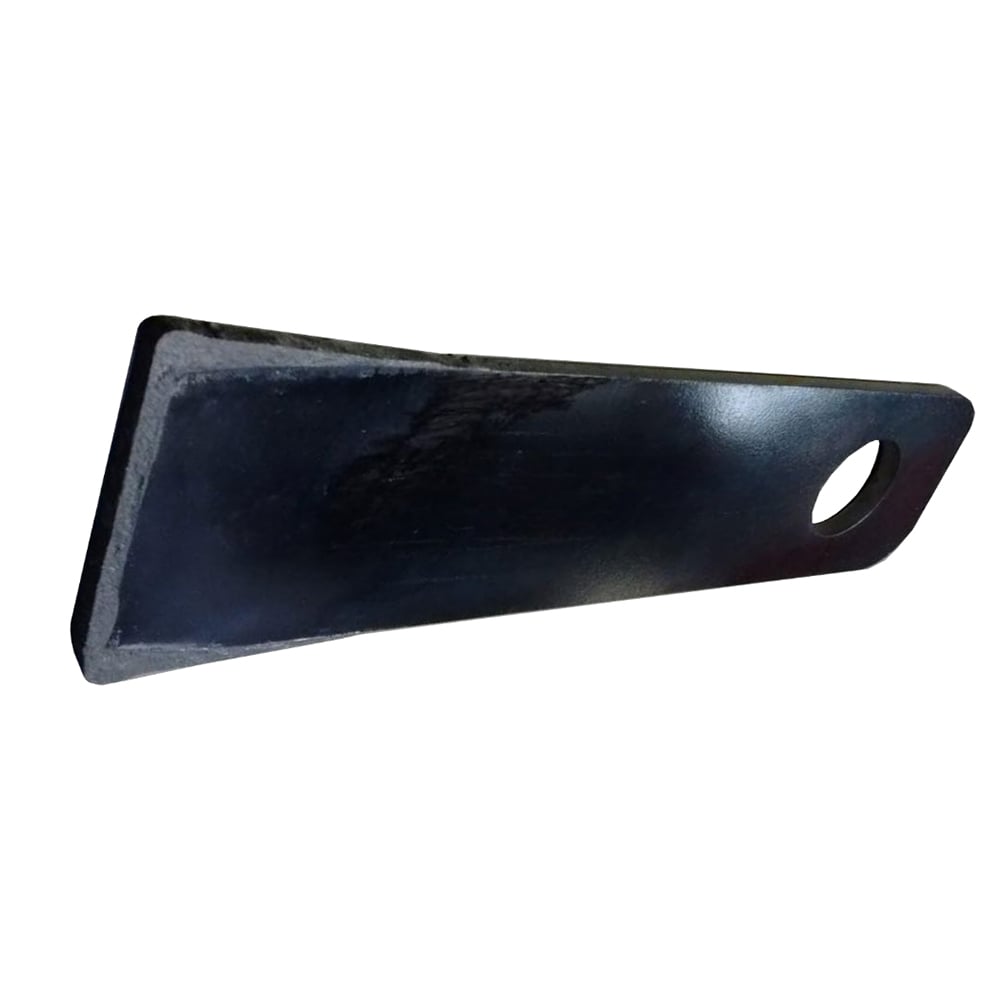
In industrial milling operations, the performance of every component directly influences throughput, energy consumption, and product quality. Among these components, the hammer beater stands out as one of the most mechanically critical elements in any hammer mill or impact grinding system. Its geometry, material composition, balance, and mounting configuration all play measurable roles in determining how efficiently raw material is reduced to the desired particle size. For plant engineers and operations managers, understanding why hammer beater design is so consequential is the first step toward making smarter equipment decisions and reducing costly downtime.
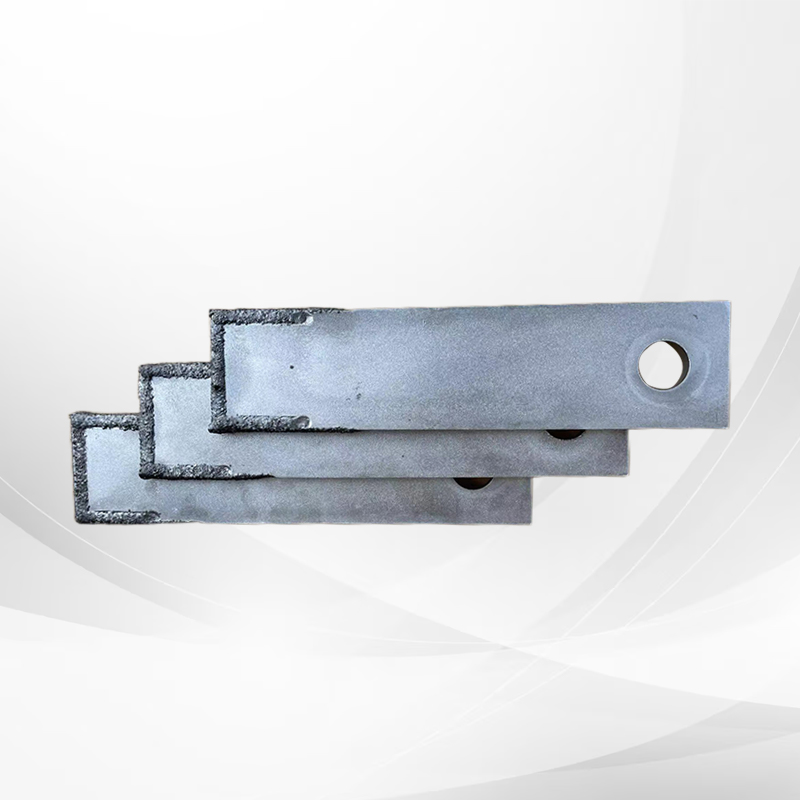
The grinding efficiency of an industrial mill is not simply a function of motor power or feed rate. It is deeply tied to how each hammer beater interacts with the incoming material stream, how well it maintains its impact geometry over time, and how quickly it transfers kinetic energy into productive size reduction. A poorly designed hammer beater wastes energy through vibration, accelerates wear on surrounding components, and produces inconsistent particle output. This article breaks down the key design variables that define hammer beater performance and explains why each one matters for real-world grinding efficiency.
The Mechanical Role of a Hammer Beater in the Grinding Process
Impact Dynamics and Energy Transfer
The primary function of a hammer beater is to deliver repeated, high-velocity impacts to feed material as it enters the mill chamber. When the rotor spins at operating speed, each hammer beater carries significant kinetic energy that is released upon contact with the material. The efficiency of this energy transfer depends heavily on the mass distribution of the hammer, the surface profile of the striking face, and the angle at which contact occurs. A well-engineered hammer beater maximizes the fraction of kinetic energy converted into fracture work rather than heat or vibration.
Energy transfer efficiency also depends on the rigidity of the hammer beater itself. A hammer that flexes or vibrates upon impact dissipates energy that could otherwise be driving material breakdown. High-density materials such as tungsten carbide composites are increasingly used in hammer beater construction precisely because their stiffness-to-weight ratio allows for both high impact force and minimal energy loss through deformation. This is why material selection is inseparable from geometric design when evaluating hammer beater performance.
Rotor Balance and Vibration Control
A hammer beater does not operate in isolation — it is part of a symmetrically arranged rotor assembly. If one hammer beater wears unevenly or has a different mass than its opposing counterpart, the rotor becomes unbalanced. This imbalance generates centrifugal forces that manifest as vibration throughout the mill frame, bearing housings, and drive system. Over time, even modest imbalance accelerates bearing fatigue, loosens fasteners, and forces earlier maintenance intervals.
Good hammer beater design addresses this by ensuring that wear occurs as uniformly as possible across both the striking face and the body of the hammer. Symmetrical designs, reversible mounting configurations, and consistent metallurgical quality all contribute to sustained rotor balance. Operators who monitor vibration signatures over time can often detect hammer beater degradation before it becomes a failure event, provided the design allows for gradual and predictable wear rather than sudden chipping or spalling.
How Hammer Beater Geometry Affects Particle Size Distribution
Striking Face Profile and Impact Angle
The geometry of the striking face is one of the most direct design variables governing particle size output. A flat, wide striking face delivers broad impacts that tend to produce a wider distribution of particle sizes, which can be desirable in coarse grinding applications. Conversely, a narrower or profiled striking face concentrates impact force on a smaller area, producing more selective fracture and a tighter particle size range. For mills targeting specific output specifications, the hammer beater face geometry must be matched to the required size reduction ratio.
The relationship between the hammer beater face and the screen or classifier used downstream is also important. If the hammer delivers excessively large fragments that must recirculate through the chamber, grinding efficiency drops because the motor continues working without producing on-spec material. A correctly designed hammer beater reduces this recirculation load by ensuring that a high proportion of first-pass impacts achieve the target fracture. This improvement in first-pass efficiency directly translates into lower specific energy consumption per ton of finished product.
Hammer Length, Thickness, and Clearance
The physical dimensions of a hammer beater — its length from pivot to tip, its thickness, and its clearance relative to the screen or liner — collectively determine the tip speed, the sweep volume, and the residence time of material in the impact zone. Longer hammers deliver higher tip speeds for a given rotor RPM, which increases impact force but also increases centrifugal stress on the pivot and mounting hardware. Thickness affects the mass of the hammer beater and therefore its moment of inertia, which determines how much energy is available at the moment of impact.
Clearance between the hammer beater tip and the mill screen or anvil plate controls how much secondary size reduction occurs after the initial impact. Tight clearances force material through a smaller gap, increasing the likelihood of additional fragmentation, but also accelerating wear on both the hammer tip and the screen. Mill designers must balance these factors carefully, and hammer beater designs that maintain dimensional stability over their service life are far preferable to those that wear rapidly and alter the effective clearance before replacement is scheduled.
Material Composition and Its Direct Impact on Wear Life
The Limitations of Standard Steel Hammers
Conventional carbon steel and even heat-treated alloy steel hammer beater components perform adequately in low-abrasivity applications, but they have significant limitations when processing hard minerals, ceramics, biomass with silica content, or recycled materials with unpredictable hardness. Steel hammers in these applications wear quickly and non-uniformly, which means the carefully designed geometry described above degrades faster than operators would prefer. As the striking face rounds off and the hammer loses mass, impact efficiency declines and the rotor may develop imbalance.
The maintenance burden from frequent hammer beater replacement in high-wear applications is significant. Each replacement event involves stopping production, opening the mill, removing and weighing hammers for balanced replacement, and verifying clearances before restart. If a hammer beater set needs replacement every few hundred operating hours, the cumulative cost in labor, parts, and lost production can exceed the original capital cost of the mill within a few years of operation. This economic reality is what drives the adoption of advanced wear-resistant materials.
Tungsten Carbide and Fusion Welding Technologies
Tungsten carbide is recognized across industrial applications as one of the most wear-resistant materials available for impact and abrasion environments. When applied to a hammer beater through fusion welding processes, tungsten carbide provides a metallurgically bonded hard surface that resists both abrasive wear and impact fatigue far more effectively than conventional overlays or surface coatings. Unlike bolt-on carbide inserts, which can delaminate or crack at the interface under high-cycle impact loading, fusion-welded carbide becomes integral to the hammer body.
The result is a hammer beater that maintains its designed geometry far longer under abrasive conditions, preserving tip speed, clearance, and striking face profile through many more operating hours. Facilities that upgrade from standard steel hammers to tungsten carbide fusion-welded designs typically report significant reductions in replacement frequency and corresponding improvements in sustained grinding efficiency. The upfront cost of the advanced hammer beater is offset by measurably lower total cost of ownership when the application justifies it.
Operational Consequences of Poor Hammer Beater Design
Energy Consumption and Throughput Loss
When a hammer beater fails to deliver efficient impact energy transfer, the mill must compensate by processing material longer or at higher power draw. In practice, this manifests as elevated amperage readings, reduced throughput for a given energy input, or increased recirculation load within closed-circuit grinding systems. Plant operators sometimes interpret these symptoms as feed rate issues or motor problems without recognizing that degraded hammer beater geometry is the root cause. Regular inspection and timely replacement of worn hammers is essential for maintaining the specific energy consumption baseline established during mill commissioning.
The relationship between hammer beater condition and throughput is non-linear. A hammer that has lost ten percent of its original mass through wear may cause a disproportionate reduction in grinding efficiency because tip speed, impact angle, and clearance geometry all shift simultaneously. This compounding effect means that mills operating with worn hammers often produce more fines and fewer on-spec particles, forcing downstream quality corrections that add further process cost. Maintaining hammer beater integrity is therefore a continuous operational discipline, not a reactive maintenance task.
Cascading Wear on Mill Internals
A poorly designed or worn hammer beater does not only reduce grinding efficiency — it actively damages the surrounding mill components. Hammers with uneven wear profiles can generate off-axis forces that accelerate liner plate and screen wear. Hammers that chip or fracture under impact can eject hard fragments that score the rotor disc, damage adjacent hammers, or block the screen apertures. Each of these failure modes creates additional maintenance requirements and further reduces the mill's operational availability.
Quality hammer beater design minimizes these cascading effects by ensuring that wear occurs gradually and predictably on sacrificial surfaces rather than through catastrophic fracture. This predictability allows maintenance teams to plan replacements during scheduled downtime rather than responding to emergency failures. From a total plant reliability perspective, investing in a well-engineered hammer beater is one of the highest-return maintenance decisions available in hammer mill operations.
Selecting the Right Hammer Beater for Your Milling Application
Application-Driven Design Criteria
There is no universal hammer beater design that performs optimally across all milling applications. The correct selection depends on the hardness, abrasivity, and moisture content of the feed material; the required output particle size range; the mill operating speed and rotor diameter; and the target replacement interval. For soft, low-abrasivity materials such as certain agricultural grains, a standard steel hammer beater with a flat striking face may be entirely adequate and cost-effective. For hard minerals or recycled industrial materials, the calculus shifts strongly toward advanced wear-resistant designs.
Understanding the application parameters before specifying a hammer beater saves both capital cost and operating cost. Over-engineering hammers for low-wear applications adds unnecessary material cost without proportional benefit. Under-engineering them for demanding applications guarantees high replacement frequency and poor process economics. The best hammer beater design is the one that precisely matches the mechanical and wear demands of the specific application while maintaining the geometric integrity required for efficient grinding throughout its service life.
Maintenance Integration and Lifecycle Planning
Effective hammer beater management goes beyond selecting the right design at purchase time. It requires integrating hammer inspection into routine maintenance protocols, tracking wear rates for individual mill positions, and building replacement schedules that keep rotor balance within acceptable limits throughout the service interval. Mills that operate with systematic hammer beater monitoring consistently achieve better efficiency, lower energy costs, and longer intervals between major overhauls than those that replace hammers only when a problem becomes evident.
Lifecycle planning also involves anticipating how different process conditions affect hammer beater wear. Changes in feed hardness, feed moisture, or throughput rate all affect wear speed and potentially wear distribution. When these variables shift, hammer replacement intervals should be adjusted accordingly. A plant that treats hammer beater management as a dynamic, data-driven discipline rather than a fixed-interval replacement routine will consistently extract more value from its milling assets and maintain tighter control over grinding efficiency and product quality over time.
FAQ
What is the main purpose of a hammer beater in a hammer mill?
The hammer beater is the primary impact element in a hammer mill. It delivers high-velocity blows to feed material as the rotor spins, converting kinetic energy into fracture work that reduces the material to smaller particle sizes. Its design directly determines how efficiently this energy conversion occurs and how consistent the particle size output will be.
How does hammer beater wear affect grinding efficiency?
As a hammer beater wears, its mass decreases, its tip speed changes, and the clearance between the hammer tip and the mill screen or liner shifts. These geometric changes reduce impact efficiency, increase recirculation of oversized material, and may create rotor imbalance. The result is higher energy consumption per unit of output and often a broader, less controlled particle size distribution.
When should a hammer beater be replaced?
A hammer beater should be replaced when its mass loss or geometric wear has measurably affected grinding performance, typically indicated by rising motor current draw, declining throughput, or increasing oversize content in the product. Proactive replacement based on tracked wear rates and scheduled maintenance intervals is preferable to reactive replacement after performance has already degraded significantly.
Is tungsten carbide always the best choice for a hammer beater?
Tungsten carbide provides superior wear resistance and is the preferred material for hammer beater applications involving hard, abrasive feed materials or demanding duty cycles. However, for softer, low-abrasivity materials where wear rates are naturally low, standard alloy steel hammer beater designs may be sufficient and more cost-effective. The right material choice depends on a careful analysis of the specific milling application and the economics of wear rate versus component cost.
Table of Contents
- The Mechanical Role of a Hammer Beater in the Grinding Process
- How Hammer Beater Geometry Affects Particle Size Distribution
- Material Composition and Its Direct Impact on Wear Life
- Operational Consequences of Poor Hammer Beater Design
- Selecting the Right Hammer Beater for Your Milling Application
- FAQ