 EN
EN
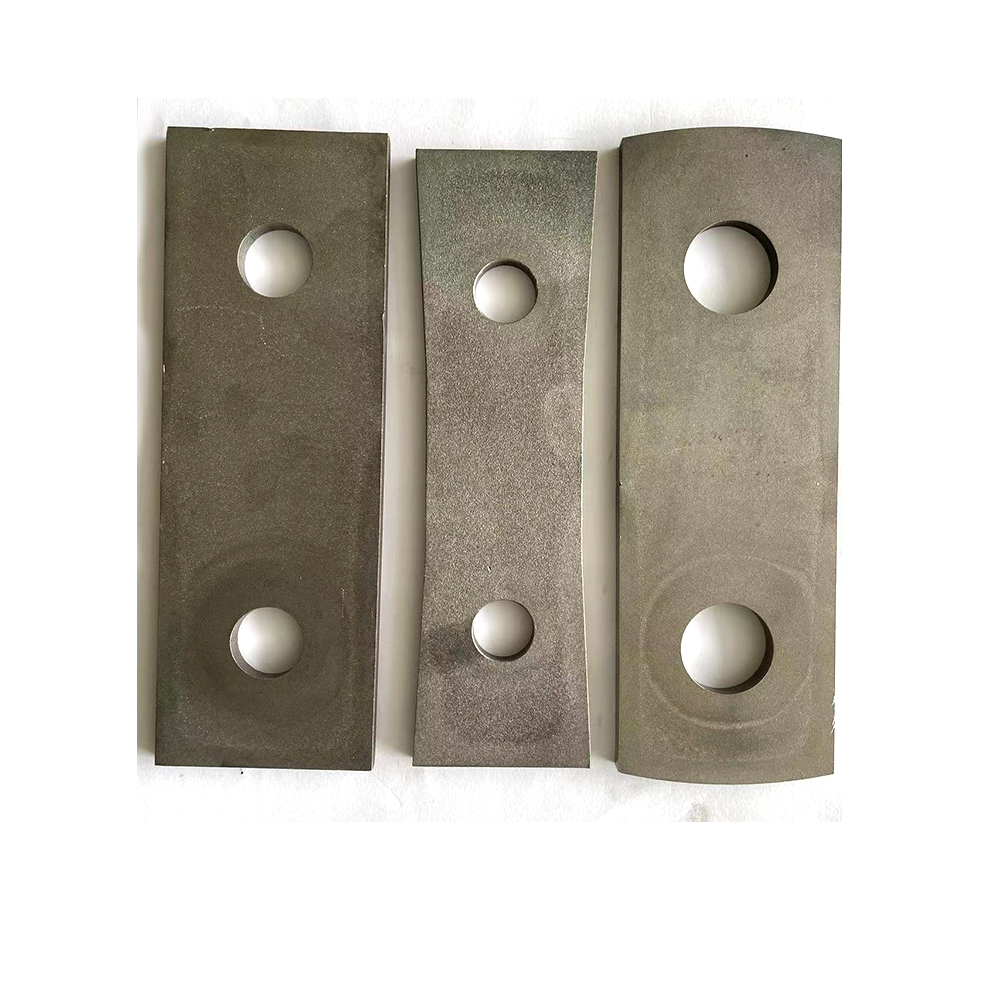
The efficiency of material breakage in hammer mills depends fundamentally on how the hammer mill beater engages with the physical and mechanical properties of the feed material. This interaction is not a simple impact event but a complex sequence of mechanical forces influenced by particle size distribution, moisture content, material hardness, and the dynamic behavior of the beater itself. Understanding these interactions enables process engineers to optimize mill performance, reduce energy consumption, and achieve consistent particle size reduction across diverse feed materials. The hammer mill beater serves as the primary energy transfer mechanism, converting rotational kinetic energy into the compressive, shear, and impact forces required to fracture particles.
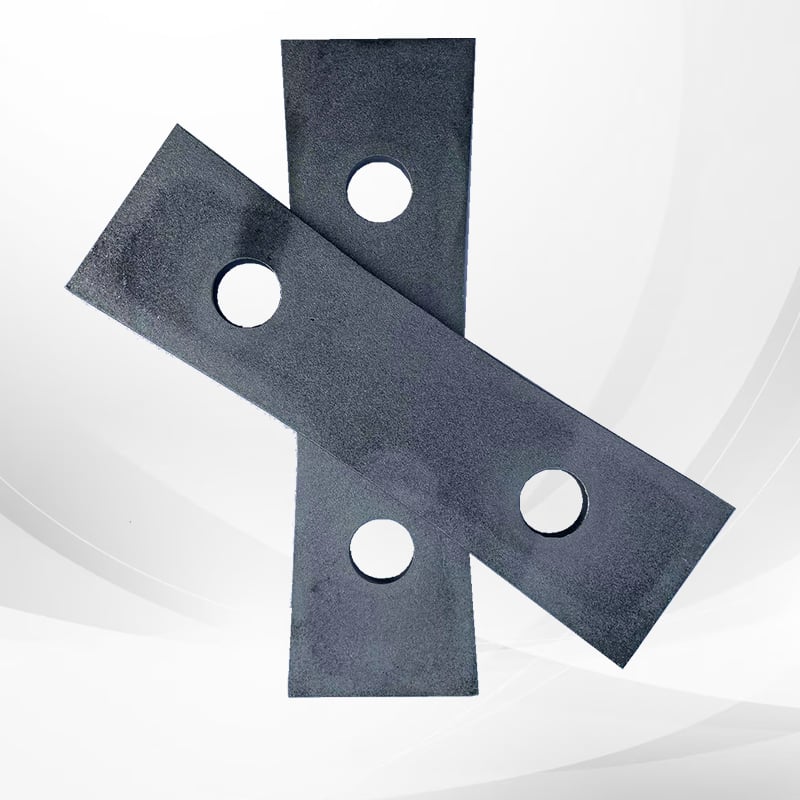
Feed characteristics such as bulk density, particle shape, friability, and flow behavior dictate how material enters the milling chamber and positions itself relative to the rotating hammer mill beater array. Materials with high moisture content tend to agglomerate, reducing the effectiveness of impact forces and causing material to adhere to beater surfaces. Conversely, dry and brittle materials fracture more readily under impact but may generate excessive dust and heat. The geometry and wear state of the hammer mill beater directly influence the force distribution during collision, while feed rate and feed consistency determine the frequency and intensity of particle-beater interactions. This article explores the mechanical principles, material-specific behaviors, and operational variables that govern how hammer mill beaters interact with feed characteristics to accomplish efficient material breakage.
Mechanical Principles Governing Beater-Feed Interactions
Energy Transfer Mechanisms During Impact Events
When a hammer mill beater strikes a feed particle, kinetic energy is transferred through a combination of direct impact, shear, and compression. The velocity of the beater tip, which can exceed 100 meters per second in high-speed mills, determines the magnitude of kinetic energy available for fracture initiation. The contact duration between the hammer mill beater and the particle is extremely brief, typically in the range of microseconds, creating high strain rates that favor brittle fracture over plastic deformation. Materials with low fracture toughness absorb less energy before failure, resulting in more efficient breakage, while ductile materials may deform elastically and require multiple impacts to achieve size reduction.
The angle of impact between the hammer mill beater and the incoming particle affects the distribution of normal and tangential forces. A perpendicular collision maximizes compressive stress and is most effective for brittle materials, while oblique impacts generate additional shear forces that can be advantageous for fibrous or ductile feeds. The mass ratio between the beater and the particle also influences energy transfer efficiency; heavier beaters deliver greater momentum per strike, but lighter particles may be deflected rather than fractured if the mass differential is too large. Understanding these energy transfer pathways allows engineers to match beater design and rotational speed to specific feed characteristics.
Role of Beater Geometry in Force Distribution
The geometry of the hammer mill beater, including its edge profile, thickness, and surface area, determines how impact forces are concentrated on feed particles. Sharp-edged beaters create localized stress concentrations that initiate cracks in brittle materials, while blunt or worn beaters distribute forces over a larger area, reducing fracture efficiency and increasing energy consumption. The cross-sectional shape of the beater also affects airflow patterns within the mill, influencing how particles are suspended and presented for subsequent impacts. Flat beaters generate turbulent flow zones that enhance particle-beater collision frequency, whereas streamlined profiles may reduce drag but also decrease interaction rates.
As the hammer mill beater wears during operation, its geometry changes progressively, altering the nature of feed interactions. Abrasive materials cause preferential wear at the beater tips and leading edges, rounding sharp profiles and reducing stress concentration capability. This wear progression increases the energy required per unit of size reduction and shifts the particle size distribution toward coarser outputs. Monitoring beater geometry through regular inspection and implementing timely replacement schedules are essential for maintaining consistent breakage performance across varying feed characteristics.
Influence of Feed Physical Properties on Breakage Dynamics
Particle Size Distribution and Initial Feed Geometry
The initial particle size distribution of the feed material significantly affects how particles interact with the hammer mill beater array. Coarse particles with dimensions approaching the beater spacing require multiple high-energy impacts to achieve size reduction, while fine particles may pass through the mill with minimal contact, leading to inefficient energy utilization. A bimodal size distribution, containing both coarse and fine fractions, can complicate breakage dynamics as fine particles cushion impacts between the beater and coarser particles, reducing fracture efficiency. Uniform feed sizing improves the predictability of beater-particle interactions and enables more consistent product quality.
Particle shape also influences breakage behavior during hammer mill beater collisions. Elongated or fibrous particles tend to align with airflow patterns, presenting variable cross-sections to the approaching beater and resulting in inconsistent energy transfer. Equiaxed particles experience more uniform force distribution regardless of impact orientation, leading to more predictable fracture patterns. Materials with internal structural anisotropy, such as grain kernels or mineral aggregates, may fracture preferentially along planes of weakness, and the hammer mill beater impact angle can be optimized to exploit these inherent weaknesses for improved breakage efficiency.
Moisture Content and Material Cohesion
Moisture content exerts a profound influence on how feed materials respond to hammer mill beater impacts. At low moisture levels, materials behave as free-flowing particulate systems with minimal inter-particle cohesion, allowing each particle to interact independently with the beater. As moisture increases, capillary forces and liquid bridges form between particles, creating agglomerates that behave as larger, more coherent units. These agglomerates require greater energy input to fracture and may resist size reduction by absorbing impact energy through elastic deformation rather than brittle failure.
Excessive moisture can also cause feed material to adhere to the hammer mill beater surfaces, forming a coating layer that progressively builds up and alters the effective beater geometry. This buildup reduces the sharpness of impact edges and creates a cushioning effect that diminishes force transmission to subsequent particles. Additionally, moisture can increase the ductility of certain materials, shifting their fracture behavior from brittle to plastic and reducing the effectiveness of impact-based size reduction. Controlling feed moisture within optimal ranges, typically through pre-drying or conditioning, is essential for maintaining consistent beater-feed interactions and preventing operational issues such as screen blinding and reduced throughput.
Material Hardness and Fracture Toughness
The hardness and fracture toughness of feed materials determine the critical stress levels required to initiate and propagate cracks during hammer mill beater impacts. Hard materials with high compressive strength, such as mineral ores or calcined products, require high-velocity impacts from robust beaters to achieve meaningful size reduction. Softer materials, including many organic feeds and pharmaceutical intermediates, fracture at lower stress levels but may exhibit ductile behavior that complicates breakage. The hammer mill beater must deliver sufficient energy to exceed the material's fracture threshold while avoiding excessive energy input that would generate unwanted fines or heat.
Fracture toughness describes a material's resistance to crack propagation once initiated, and this property strongly influences the number of impacts required to achieve a target particle size. Brittle materials with low fracture toughness shatter into multiple fragments upon initial beater contact, while tough materials require repeated impacts to accumulate sufficient damage for complete fracture. The interaction between material hardness and toughness creates a performance envelope within which hammer mill beaters must operate, and understanding this relationship allows engineers to select appropriate beater materials, geometries, and operating speeds for specific feed characteristics.
Operational Variables Affecting Beater-Feed Interaction Quality
Rotor Speed and Tip Velocity Optimization
The rotational speed of the hammer mill rotor directly determines the velocity at which the hammer mill beater impacts feed particles, and this velocity is the primary variable controlling impact energy. Higher tip velocities generate greater kinetic energy per collision, enabling more effective fracture of hard or coarse materials. However, excessive speeds can produce several negative effects, including overheating, excessive fines generation, and accelerated beater wear. The optimal rotor speed depends on feed characteristics such as hardness, initial particle size, and desired product fineness, and must be determined through systematic testing or empirical correlation.
For materials with moderate hardness and friability, moderate rotor speeds typically in the range of 1500 to 3000 revolutions per minute provide a balance between breakage efficiency and energy consumption. Harder materials may require speeds approaching or exceeding 3600 revolutions per minute to achieve satisfactory size reduction, while soft or heat-sensitive materials benefit from lower speeds that minimize thermal degradation. The relationship between rotor speed and product particle size is not linear; small increases in speed near optimal operating points can yield significant improvements in breakage performance, while excessive speeds beyond the optimal range produce diminishing returns and increased operational costs.
Feed Rate and Material Residence Time
The rate at which material is introduced into the milling chamber influences the frequency and intensity of hammer mill beater collisions with individual particles. Low feed rates result in sparse particle populations within the chamber, allowing each particle to experience multiple high-energy impacts before exiting through the discharge screen. This condition maximizes size reduction per particle but underutilizes mill capacity and may lead to excessive fines production. High feed rates increase throughput but can overload the chamber, creating a particle bed that cushions impacts and reduces the effective energy transfer from each beater strike.
Optimal feed rates balance residence time against throughput requirements, ensuring that particles receive sufficient beater interactions to achieve target size reduction without causing mill overload or product quality deterioration. The relationship between feed rate and breakage performance is further complicated by feed consistency; fluctuating feed rates create transient conditions that prevent the mill from reaching steady-state operation, resulting in variable product characteristics. Modern hammer mills often incorporate feed rate control systems that monitor motor load or differential pressure to maintain consistent material inventory within the chamber, optimizing hammer mill beater utilization across varying feed properties.
Screen Aperture and Particle Retention Strategy
The discharge screen aperture size controls the residence time distribution of particles within the milling chamber by retaining oversized particles for additional hammer mill beater impacts while allowing properly sized material to exit. Fine screen apertures increase residence time and promote more complete size reduction, but also elevate energy consumption and may cause screen blinding when processing cohesive or fibrous feeds. Coarse screens reduce residence time and energy input but may produce a wider particle size distribution with a greater proportion of coarse tails.
The interaction between screen aperture and feed characteristics determines the effective breakage strategy. Materials that fracture readily under low-energy impacts can be processed efficiently with coarse screens and moderate rotor speeds, while refractory materials require fine screens and high-velocity hammer mill beater collisions to achieve acceptable product fineness. Screen open area, typically expressed as the percentage of total screen surface occupied by apertures, also affects particle discharge rate and internal mill pressure; high open area screens facilitate rapid discharge and reduce energy consumption, while low open area designs increase retention time at the cost of higher power draw and potential overheating.
Material-Specific Breakage Patterns and Beater Response
Brittle Crystalline Materials
Crystalline materials with well-defined cleavage planes exhibit predictable fracture patterns when impacted by the hammer mill beater, typically shattering into angular fragments along crystallographic orientations. These materials respond efficiently to high-velocity impacts, with fracture occurring at relatively low specific energy inputs compared to ductile or fibrous feeds. The sharpness of the beater edge is particularly important for crystalline materials, as localized stress concentrations initiate cracks at crystal boundaries or internal defects. Worn or blunt beaters distribute impact forces more broadly, reducing the probability of initiating the critical cracks needed for efficient fracture.
The product particle size distribution from crystalline materials tends to be relatively narrow, with a well-defined peak corresponding to the fragment size distribution generated by primary fracture events. Secondary fracture of these primary fragments through repeated hammer mill beater contacts shifts the distribution toward finer sizes, but excessive milling can generate a tail of ultrafine particles that represent inefficient energy utilization. Optimizing beater geometry and rotor speed for crystalline feeds involves maximizing the energy delivered in the initial impacts while minimizing subsequent over-milling of properly sized particles.
Fibrous and Ductile Organic Materials
Fibrous materials such as biomass, textiles, and certain polymers present unique challenges for hammer mill beaters due to their tendency to deform elastically rather than fracture brittlely. These materials absorb impact energy through bending and tensile elongation, requiring multiple high-energy collisions or specialized cutting actions to achieve size reduction. The hammer mill beater edge sharpness is critical for fibrous feeds; sharp edges can initiate cuts through tensile stress concentration, while blunt edges compress fibers without generating sufficient shear to separate them. As beaters wear during fibrous material processing, size reduction efficiency declines rapidly, and product quality deteriorates.
Ductile materials may also wind around the hammer mill beater or rotor shaft, creating buildup that interferes with normal operation and necessitates frequent cleaning. Screen blinding is a common issue when processing fibrous feeds, as long particles bridge across apertures and prevent discharge. Strategies to improve beater-feed interactions with fibrous materials include reducing rotor speed to generate cutting action rather than pure impact, using serrated or toothed beater edges to grip and tear fibers, and implementing wider screen apertures or perforated plate designs that resist blinding. Some applications benefit from pre-treatment steps such as chopping or conditioning to reduce fiber length before hammer mill processing.
Composite and Heterogeneous Feed Streams
Many industrial applications involve feed streams containing multiple material types with different mechanical properties, such as grain mixtures with varying hardness, recycling streams with metal and plastic fractions, or mineral ores with disseminated phases. The hammer mill beater must interact effectively with all components simultaneously, which can be challenging when component properties differ significantly. Hard particles may shield softer materials from impacts, while ductile components can cushion collisions and reduce energy transfer to brittle phases.
Processing heterogeneous feeds requires careful selection of operating parameters that balance the needs of different material fractions. Moderate rotor speeds and beater designs that provide both impact and shear forces often yield the best overall performance for composite feeds. The product particle size distribution from heterogeneous streams tends to be broader than for homogeneous materials, reflecting the different breakage responses of individual components. In some cases, selective breakage occurs where one component is preferentially reduced in size while another remains largely intact, enabling downstream separation processes. Understanding the breakage behavior of each feed component allows engineers to predict and optimize hammer mill beater performance in complex material systems.
Advanced Considerations in Beater-Feed Interaction Optimization
Wear Mechanisms and Beater Life Prediction
The service life of a hammer mill beater is determined by the cumulative wear resulting from repeated high-energy collisions with feed particles and abrasive contact with entrained dust. Wear mechanisms include abrasive wear from hard particle scratching, erosive wear from high-velocity particle impacts, and fatigue wear from cyclic stress loading. The dominant wear mode depends on feed characteristics, with abrasive wear prevailing in mineral processing applications and impact fatigue dominating in softer organic material grinding. Beater material selection must account for the expected wear environment, balancing hardness for abrasion resistance against toughness to prevent brittle fracture.
Predictive models for hammer mill beater life consider factors including feed abrasiveness index, particle hardness, rotor speed, and beater material properties. Accelerated wear testing using representative feed samples allows estimation of operational life under specific conditions, guiding maintenance scheduling and replacement part procurement. As beaters wear, their interaction with feed particles changes progressively, shifting from efficient fracture initiation with sharp edges to less effective force distribution with rounded profiles. Condition monitoring systems that track motor power draw, vibration signatures, or product particle size can detect beater degradation and trigger timely replacement before product quality deteriorates unacceptably.
Thermal Effects and Heat-Sensitive Materials
The high-velocity impacts between hammer mill beaters and feed particles generate substantial heat through inelastic deformation and friction. For most mineral and metal processing applications, this heat dissipates without consequence, but heat-sensitive materials including plastics, pharmaceuticals, and certain food ingredients can suffer thermal degradation during milling. Temperature rise within the milling chamber depends on specific energy input, feed thermal properties, and residence time, with poorly ventilated designs accumulating heat more rapidly than well-cooled configurations.
Managing thermal effects in hammer mill beater operations involves several strategies: reducing rotor speed to decrease energy input per unit time, increasing throughput to reduce residence time, implementing external cooling systems such as jacketed chambers or chilled air injection, and selecting beater materials with high thermal conductivity to facilitate heat transfer. For extremely heat-sensitive materials, cryogenic grinding with liquid nitrogen or carbon dioxide cooling may be necessary to maintain acceptable temperatures during hammer mill beater impacts. Understanding the thermal response of feed materials enables engineers to establish safe operating envelopes that achieve required size reduction without compromising material properties.
Integration with Process Control Systems
Modern hammer mill installations increasingly incorporate real-time monitoring and control systems that optimize beater-feed interactions dynamically. Sensors measuring motor current, bearing temperature, differential pressure, and vibration provide continuous feedback on mill operating state, while inline particle size analyzers characterize product quality. Advanced control algorithms adjust feed rate, rotor speed, or other parameters to maintain target product specifications despite variations in feed characteristics. These systems respond more rapidly and consistently than manual operators, reducing product variability and improving overall process efficiency.
Machine learning approaches can identify complex relationships between feed properties, hammer mill beater condition, operating parameters, and product quality that are not apparent through traditional analysis. Trained models predict optimal settings for new feed materials or compensate for gradual beater wear without explicit programming. As industrial digitalization advances, hammer mill beater systems will increasingly function as intelligent components within integrated manufacturing ecosystems, sharing data with upstream preparation and downstream processing stages to optimize entire production chains rather than individual unit operations.
FAQ
What is the primary mechanism by which a hammer mill beater reduces particle size?
The hammer mill beater reduces particle size primarily through high-velocity impact forces that create compressive and tensile stresses exceeding the material's fracture strength. When the rotating beater strikes a feed particle, kinetic energy is rapidly transferred, initiating cracks at stress concentration points or material defects. These cracks propagate through the particle, causing fragmentation into smaller pieces. Secondary mechanisms include shear forces from oblique impacts and attrition from particle-particle collisions induced by the turbulent environment within the milling chamber. The relative importance of these mechanisms depends on feed material properties such as hardness, brittleness, and moisture content.
How does feed moisture content affect hammer mill beater performance?
Elevated feed moisture content significantly reduces hammer mill beater effectiveness by increasing inter-particle cohesion and material ductility. Moisture creates liquid bridges between particles that promote agglomeration, causing material to behave as larger, more coherent masses that require greater energy to fracture. Wet material also tends to adhere to beater surfaces, gradually building up layers that dull impact edges and cushion subsequent collisions. Additionally, moisture increases material plasticity, shifting fracture behavior from brittle shattering to ductile deformation that absorbs energy without producing desired size reduction. Optimal moisture content varies by material but generally falls below 12-15 percent for efficient hammer milling, with lower values preferred for hard or abrasive feeds.
Why does hammer mill beater wear cause changes in product particle size distribution?
As hammer mill beaters wear, their geometric profile changes from sharp edges that concentrate stress effectively to rounded surfaces that distribute impact forces over larger areas. This change reduces the peak stress achieved during particle collision, decreasing the probability of initiating fractures in harder materials or creating clean cuts through fibrous feeds. Worn beaters require more impacts to achieve equivalent size reduction, increasing residence time and energy consumption. The product particle size distribution typically shifts coarser as wear progresses, with increased variability and a higher proportion of oversized particles. Regular beater inspection and timely replacement maintain consistent product quality and operational efficiency.
Can hammer mill beaters effectively process materials with widely varying hardness?
Hammer mill beaters can process heterogeneous feeds containing materials of different hardness, but performance optimization becomes more challenging compared to homogeneous streams. Operating parameters must balance the requirements of hard components that need high-energy impacts against softer materials that may be over-processed at those conditions. Mixed-hardness feeds often produce broader particle size distributions with less precise control over individual component sizing. In some applications, differential breakage rates can be advantageous, enabling downstream separation based on size differences. Success with variable-hardness feeds requires careful beater design selection, often favoring robust geometries with moderate sharpness, and operational tuning through systematic testing to identify acceptable compromise settings for the specific material mixture.
Table of Contents
- Mechanical Principles Governing Beater-Feed Interactions
- Influence of Feed Physical Properties on Breakage Dynamics
- Operational Variables Affecting Beater-Feed Interaction Quality
- Material-Specific Breakage Patterns and Beater Response
- Advanced Considerations in Beater-Feed Interaction Optimization
-
FAQ
- What is the primary mechanism by which a hammer mill beater reduces particle size?
- How does feed moisture content affect hammer mill beater performance?
- Why does hammer mill beater wear cause changes in product particle size distribution?
- Can hammer mill beaters effectively process materials with widely varying hardness?