 EN
EN
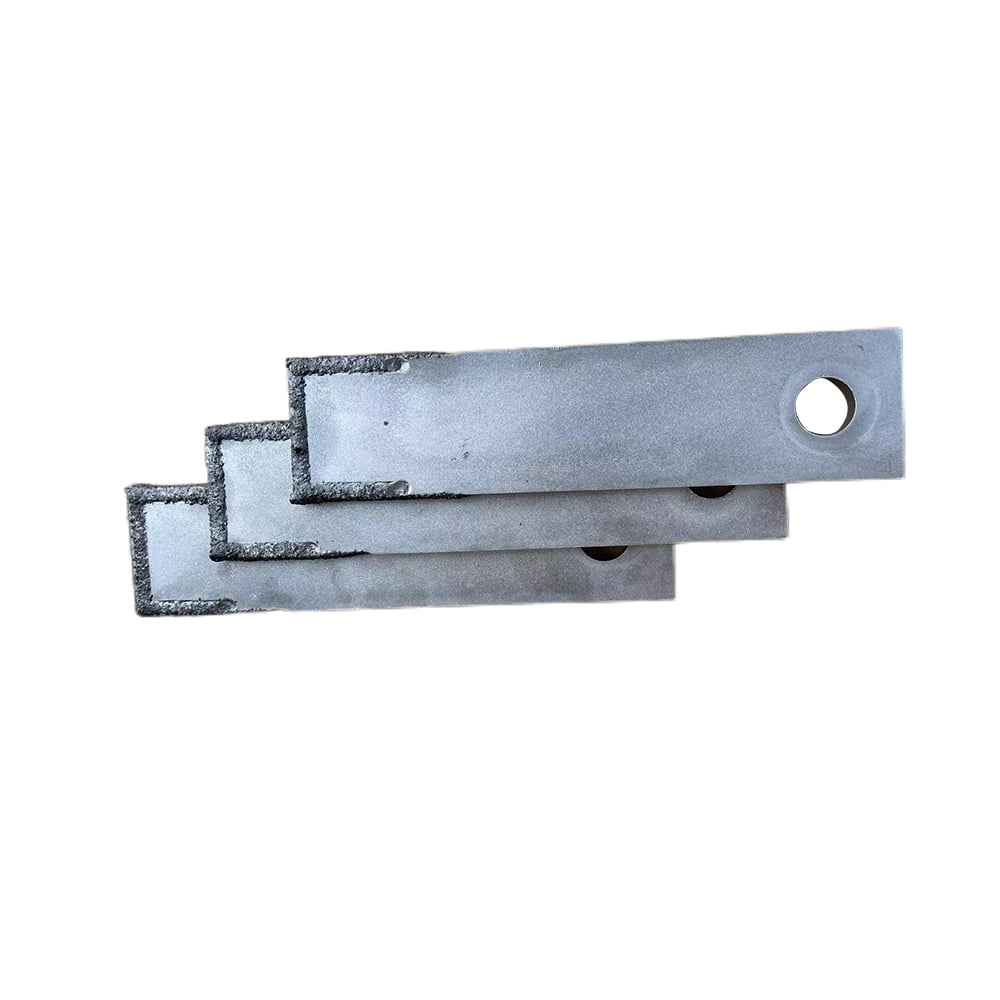
In continuous milling operations, the hammer beater serves as the primary impact component responsible for reducing material size through high-velocity collisions. Understanding the wear patterns that develop on these critical components is essential for optimizing operational efficiency, predicting maintenance intervals, and controlling production costs. The degradation of a hammer beater follows predictable patterns influenced by material properties, operational parameters, and equipment design, making pattern recognition a valuable skill for mill operators and maintenance engineers.
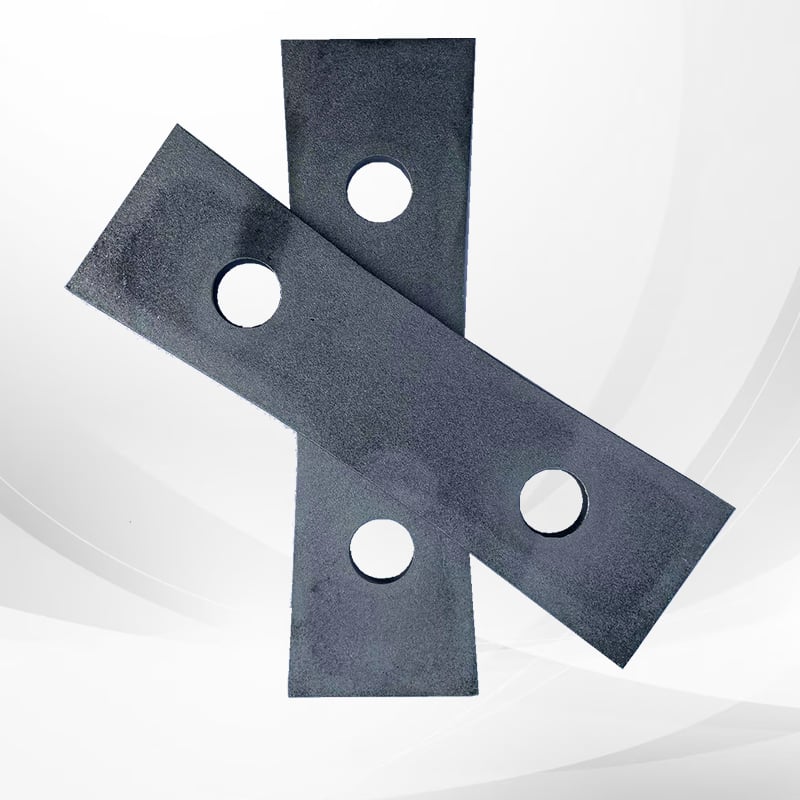
Wear patterns on a hammer beater provide diagnostic information about operating conditions, material characteristics, and potential equipment misalignment. These patterns manifest as distinct forms of material loss, surface modification, and geometric change that directly impact milling performance. By identifying and interpreting these wear signatures, facilities can transition from reactive replacement strategies to predictive maintenance programs that maximize component life while maintaining product quality specifications and throughput targets.
Erosive Wear Patterns on Hammer Beater Surfaces
Abrasive Erosion from Fine Particle Impact
Abrasive erosion represents one of the most common wear mechanisms affecting hammer beater surfaces in continuous milling applications. This pattern develops when fine particles repeatedly strike the hammer surface at acute angles, gradually removing material through a cutting or plowing action. The wear appears as a smoothly polished surface with directional scratching aligned with particle flow paths. On a hammer beater, this erosive wear typically concentrates on the leading edges and working faces where particle velocity and impact frequency reach maximum values.
The severity of abrasive erosion correlates directly with particle hardness relative to the hammer beater material. When processing materials containing quartz, silica, or other hard minerals, erosion rates accelerate significantly compared to softer organic materials. The wear pattern manifests as progressive thinning of the hammer profile, with material loss concentrated in high-impact zones. Operators can identify this pattern by measuring thickness reduction at standardized points and observing the characteristic polished appearance that distinguishes erosive wear from other degradation mechanisms.
Temperature elevation during continuous operation influences the progression of erosive wear on hammer beater components. Elevated temperatures reduce material hardness and increase susceptibility to particle cutting action. This thermal effect creates accelerated wear zones in areas experiencing sustained friction, particularly near the hammer tip where impact energy concentrates. Monitoring temperature profiles during operation provides early indication of accelerated erosive wear development before dimensional changes become severe enough to compromise milling efficiency.
Impact Erosion from Coarse Material Collisions
Impact erosion differs from abrasive erosion in both mechanism and appearance, developing when coarse particles strike the hammer beater at perpendicular or near-perpendicular angles. This wear pattern creates localized craters, indentations, and roughened surfaces rather than the smooth polish characteristic of abrasive action. The repeated impact of large particles causes plastic deformation, work hardening, and eventual material displacement through a fatigue-based failure mechanism that progressively deepens surface irregularities.
On a hammer beater subjected to impact erosion, the wear pattern typically appears as randomly distributed pitting across the impact face, with crater density highest in central regions where collision probability peaks. The depth and diameter of individual impact craters provide information about particle size distribution and impact velocity. Shallow, numerous craters indicate fine particle impact, while larger, deeper craters suggest the presence of oversized material that exceeds designed feed specifications. This diagnostic capability allows operators to identify upstream processing issues that contribute to accelerated hammer wear.
The progression of impact erosion on a hammer beater follows a characteristic sequence beginning with surface work hardening, followed by crack initiation, and culminating in material spalling as subsurface cracks propagate and intersect. This sequential degradation creates a roughened surface texture that increases drag forces and alters particle flow patterns within the mill chamber. Advanced impact erosion may expose subsurface material with different properties than the original surface, potentially accelerating subsequent wear through reduced hardness or altered friction characteristics.
Adhesive and Transfer Wear Mechanisms
Material Buildup and Adhesive Transfer
Adhesive wear occurs when processed material temporarily bonds to the hammer beater surface under the high pressures and temperatures generated during impact events. This wear pattern manifests as localized material buildup rather than material loss, creating irregular surface deposits that alter hammer geometry and disrupt designed impact characteristics. Materials with low melting points, high plasticity, or chemical reactivity exhibit greater tendency toward adhesive transfer, particularly when processing conditions generate elevated contact temperatures.
The buildup pattern on a hammer beater typically concentrates on leading edges and high-velocity impact zones where contact pressure and frictional heating reach maximum intensity. These deposits may incorporate both processed material and wear debris from previous impacts, forming a heterogeneous layer that continues to grow through successive impact events. While initial buildup may provide temporary wear protection, continued accumulation eventually compromises milling efficiency by increasing hammer mass, altering balance characteristics, and reducing impact energy transfer to target particles.
Adhesive transfer patterns provide valuable diagnostic information about operating temperatures and material properties. Excessive buildup indicates inadequate cooling, improper feed moisture content, or processing of materials prone to plastic deformation. Periodic removal of adhesive deposits through mechanical or chemical cleaning extends hammer beater service life and maintains consistent milling performance. However, aggressive cleaning techniques may accelerate subsequent wear by removing beneficial work-hardened surface layers that developed during normal operation.
Cold Welding and Surface Seizure
Cold welding represents an extreme form of adhesive wear occurring when oxide-free metal surfaces contact under sufficient pressure to initiate atomic bonding without bulk melting. On a hammer beater, this phenomenon typically appears when processing metallic contaminants or when worn hammers contact internal mill components during rotation. The resulting weld joints create localized stress concentrations that promote crack initiation and subsequent spalling, leaving characteristic torn or gouged surfaces that differ markedly from smooth erosive wear patterns.
Identifying cold welding damage on a hammer beater requires careful surface examination to distinguish it from impact damage or fatigue cracking. The presence of transferred material with composition differing from the base hammer material confirms cold welding as the degradation mechanism. This wear pattern poses particular concern because it indicates either processing conditions outside normal parameters or mechanical interference requiring immediate correction. Continued operation with active cold welding accelerates catastrophic failure risk and may damage other mill components.
Fatigue-Based Wear Patterns
Low-Cycle Fatigue Cracking
Fatigue wear develops on a hammer beater through accumulated damage from repeated stress cycles during continuous milling operation. Low-cycle fatigue manifests as visible cracks initiating from surface stress concentrations such as impact craters, machining marks, or geometric transitions. These cracks propagate perpendicular to principal stress directions, typically radiating from the mounting holes toward the hammer tip or edges. The crack pattern provides clear indication of stress distribution and identifies design features or operational conditions that promote premature failure.
The progression of fatigue cracks on a hammer beater follows well-established fracture mechanics principles, beginning with crack initiation during the initial service period, followed by stable crack growth, and culminating in rapid propagation to failure. Crack growth rates accelerate as crack length increases and residual cross-section decreases, creating exponential damage accumulation in the final service period. This characteristic behavior allows predictive maintenance programs to schedule replacement based on crack length measurements rather than waiting for complete failure that risks collateral damage to mill internals.
Environmental factors significantly influence fatigue crack propagation rates on hammer beater components. Corrosive atmospheres, moisture exposure, and temperature cycling all accelerate crack growth through various enhancement mechanisms. The interaction between mechanical fatigue and chemical attack creates synergistic degradation rates exceeding the sum of individual mechanisms. Operators processing corrosive materials or operating in humid environments should anticipate reduced hammer beater service life and implement more frequent inspection intervals to detect fatigue damage before reaching critical crack dimensions.
High-Cycle Fatigue and Resonance Effects
High-cycle fatigue differs from low-cycle fatigue in both stress magnitude and failure mechanism, developing under lower stress amplitudes repeated for extended cycle counts. On a hammer beater, high-cycle fatigue typically initiates from internal discontinuities or metallurgical defects rather than surface features. The resulting crack patterns may not become visible until late in the damage accumulation process, making detection difficult without non-destructive testing methods. Fracture surfaces from high-cycle fatigue exhibit characteristic beach marks indicating incremental crack growth over extended periods.
Resonance conditions within the mill chamber can induce vibrational stresses that promote high-cycle fatigue in hammer beater components. When operating speeds coincide with natural frequencies of the hammer or mounting system, stress amplitudes increase significantly despite unchanged impact loads. These resonant conditions create accelerated fatigue damage concentrated in regions experiencing maximum vibrational displacement. Identifying resonance-induced fatigue requires vibration analysis during operation and correlation between crack patterns and calculated mode shapes for the hammer assembly.
Corrosion-Assisted Wear Development
Oxidative Surface Degradation
Corrosion mechanisms contribute significantly to hammer beater wear in applications processing chemically reactive materials or operating in corrosive atmospheres. Oxidative corrosion manifests as surface scaling, pitting, or uniform thickness loss depending on material composition and environmental conditions. The corrosion products formed on the hammer beater surface typically exhibit lower mechanical properties than the base material, increasing susceptibility to removal through erosive or impact mechanisms. This synergistic effect between corrosion and mechanical wear accelerates degradation rates beyond predictions based on individual mechanisms.
The pattern of corrosion damage on a hammer beater provides diagnostic information about local chemical environments within the mill chamber. Concentrated pitting indicates localized chemistry differences, possibly from moisture condensation or accumulation of corrosive processing byproducts. Uniform corrosion suggests consistent exposure to reactive atmosphere throughout the hammer surface. Identifying the corrosion pattern allows targeted mitigation through material selection, coating application, or process modification to reduce chemical reactivity.
Temperature variations within the mill chamber influence corrosion rates and patterns on hammer beater surfaces. Elevated temperatures generally accelerate chemical reaction rates, while thermal cycling promotes oxide layer spalling that exposes fresh metal to continued attack. The combination of thermal stress and chemical degradation creates complex wear patterns that may mislead diagnostics if corrosion contributions remain unrecognized. Regular chemical analysis of wear debris and surface deposits helps distinguish corrosion-assisted wear from purely mechanical degradation mechanisms.
Stress Corrosion Cracking
Stress corrosion cracking represents a particularly insidious degradation mechanism affecting hammer beater components under the combined influence of tensile stress and corrosive environment. This wear pattern manifests as branching cracks that propagate perpendicular to tensile stress directions, often initiating from surface defects or corrosion pits. Unlike purely mechanical fatigue cracks, stress corrosion cracks may propagate at constant stress levels without cyclic loading, making time-based replacement strategies inadequate for prevention.
On a hammer beater, stress corrosion cracking typically initiates in regions experiencing sustained tensile stress, particularly near mounting holes or geometric transitions where stress concentration factors amplify nominal loads. The crack pattern differs from fatigue cracking in both appearance and propagation direction, providing diagnostic differentiation when both mechanisms potentially contribute to failure. Metallurgical examination of fracture surfaces reveals characteristic features distinguishing stress corrosion from alternative failure modes, enabling root cause identification and corrective action implementation.
Geometric Wear Patterns and Dimensional Changes
Progressive Profile Modification
The cumulative effect of various wear mechanisms produces characteristic geometric changes in hammer beater profile over extended service periods. Progressive thinning of the hammer tip represents the most common dimensional change, resulting from concentrated erosive and impact wear in the highest-velocity region. This profile modification reduces impact effectiveness by decreasing hammer mass and altering impact geometry. Measurements at standardized locations track wear progression and enable remaining service life prediction based on dimensional limits established through performance testing.
Asymmetric wear patterns on a hammer beater indicate non-uniform loading conditions within the mill chamber. One-sided thickness loss suggests misalignment, unbalanced feed distribution, or geometric interference with stationary components. Identifying asymmetric wear requires systematic measurement protocols that capture three-dimensional geometry rather than single-point thickness readings. Advanced measurement techniques including laser scanning or coordinate measuring machines provide comprehensive geometric characterization that supports detailed wear analysis and root cause determination.
The rate of profile change on a hammer beater varies throughout the service life cycle, typically exhibiting rapid initial wear during the break-in period as surface asperities smooth and work hardening develops, followed by a steady-state wear period with constant degradation rate, and concluding with accelerated wear as geometric changes alter stress distribution and impact mechanics. Understanding this characteristic wear curve enables optimized replacement scheduling that maximizes component utilization while maintaining required milling performance.
Edge Rounding and Corner Wear
Sharp edges and corners on a hammer beater experience concentrated wear due to stress concentration and preferential particle impact in these geometric features. Edge rounding progresses continuously during operation, gradually transforming sharp profiles into radiused contours that reduce cutting effectiveness and alter particle fracture mechanisms. The radius of curvature at hammer edges provides a convenient wear metric that correlates well with milling performance degradation, enabling condition-based replacement strategies tied to measurable geometric parameters.
Corner wear on a hammer beater follows similar progression patterns but may exhibit different rates depending on attack angle and local stress conditions. The corners experience complex stress states combining bending, shear, and contact stresses that promote accelerated material removal compared to adjacent flat surfaces. Monitoring corner geometry through periodic measurement identifies accelerated wear conditions requiring investigation of operating parameters or material properties that exceed design assumptions.
FAQ
How frequently should hammer beater wear patterns be inspected during continuous milling operation?
Inspection frequency for hammer beater wear patterns depends on material characteristics, operating intensity, and performance requirements, but typical industrial practice recommends weekly visual inspection during scheduled maintenance windows, with detailed dimensional measurement monthly or quarterly. High-abrasion applications processing hard minerals may require more frequent monitoring, while operations processing softer materials can often extend intervals. Establishing baseline wear rates during initial operation enables customized inspection schedules optimized for specific operating conditions. Advanced operations implement continuous monitoring through vibration analysis or power consumption tracking that provides real-time indication of wear progression without requiring mill shutdown.
Can different wear patterns appear simultaneously on the same hammer beater?
Multiple wear mechanisms typically operate simultaneously on a hammer beater during continuous milling, creating complex patterns that combine erosive wear, impact damage, fatigue cracking, and potentially corrosion effects. The dominant mechanism varies by location on the hammer surface, with tip regions experiencing concentrated erosive wear while mounting areas may show fatigue cracking from cyclic stress. Successful wear analysis requires recognizing the contribution of each mechanism and understanding their interaction effects. Some combinations produce synergistic acceleration where total wear exceeds the sum of individual mechanisms, particularly when corrosion enhances mechanical degradation or when fatigue cracks provide preferential paths for erosive material removal.
What operational adjustments can minimize hammer beater wear in continuous milling systems?
Optimizing operational parameters significantly extends hammer beater service life by reducing wear rate without compromising milling performance. Key adjustments include controlling feed rate to prevent overloading that accelerates impact wear, maintaining proper moisture content to minimize adhesive transfer and reduce dust generation, optimizing rotational speed to balance impact energy against excessive velocity-dependent erosion, and ensuring uniform feed distribution to prevent localized overload conditions. Temperature management through adequate ventilation reduces thermal degradation and prevents softening that accelerates wear. Regular inspection and replacement of worn screens maintains designed clearances that prevent hammer contact with stationary components. Implementing these operational best practices can extend hammer beater life by thirty to fifty percent compared to unoptimized operation.
How do material selection and surface treatments affect hammer beater wear patterns?
Material selection fundamentally determines wear resistance and dominant degradation mechanisms for hammer beater components. High-chromium white irons provide excellent abrasion resistance but exhibit brittleness that increases fracture risk under impact loading. Alloy steels offer superior toughness with reduced abrasion resistance, making them preferred for applications with coarse feed and high impact loads. Surface treatments including hardfacing, nitriding, or ceramic coating modify wear characteristics by creating hardened layers that resist erosive and abrasive attack. These treatments alter wear patterns by shifting degradation from gradual erosive thinning to eventual coating breakthrough followed by accelerated substrate wear. Understanding material-specific wear mechanisms enables informed selection that matches component properties to application requirements and expected degradation modes.
Table of Contents
- Erosive Wear Patterns on Hammer Beater Surfaces
- Adhesive and Transfer Wear Mechanisms
- Fatigue-Based Wear Patterns
- Corrosion-Assisted Wear Development
- Geometric Wear Patterns and Dimensional Changes
-
FAQ
- How frequently should hammer beater wear patterns be inspected during continuous milling operation?
- Can different wear patterns appear simultaneously on the same hammer beater?
- What operational adjustments can minimize hammer beater wear in continuous milling systems?
- How do material selection and surface treatments affect hammer beater wear patterns?