 EN
EN
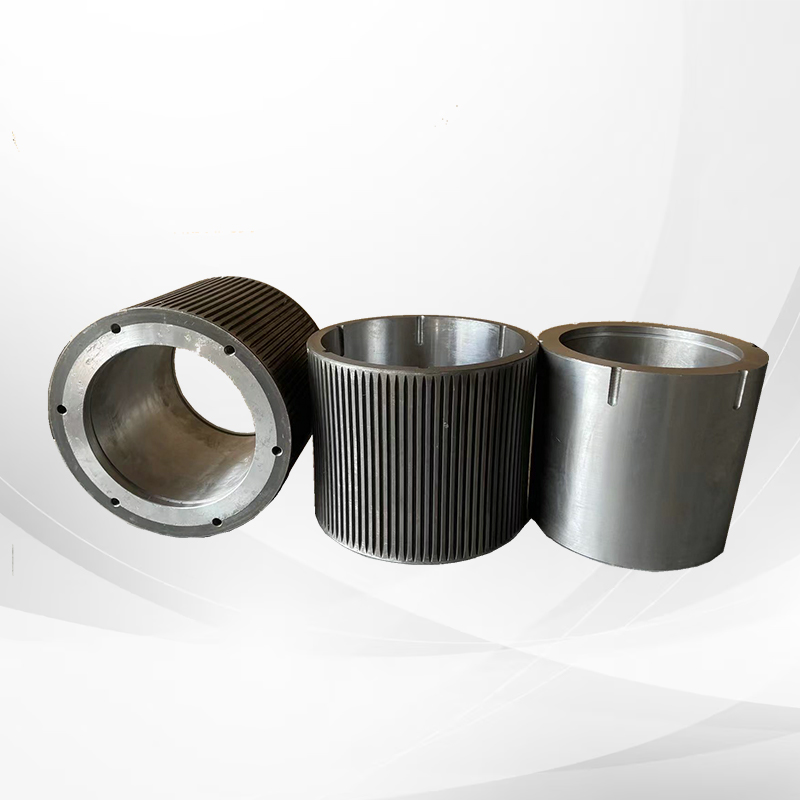
In the world of pellet manufacturing, the smallest components often carry the greatest responsibility. Among them, the roller shell stands out as one of the most operationally critical parts in any pellet mill system. Its condition, material composition, and surface geometry directly influence how efficiently the machine converts raw material into uniform, high-quality pellets. When the roller shell underperforms, the consequences cascade through the entire production line — from inconsistent pellet density to unplanned downtime that costs far more than the component itself.
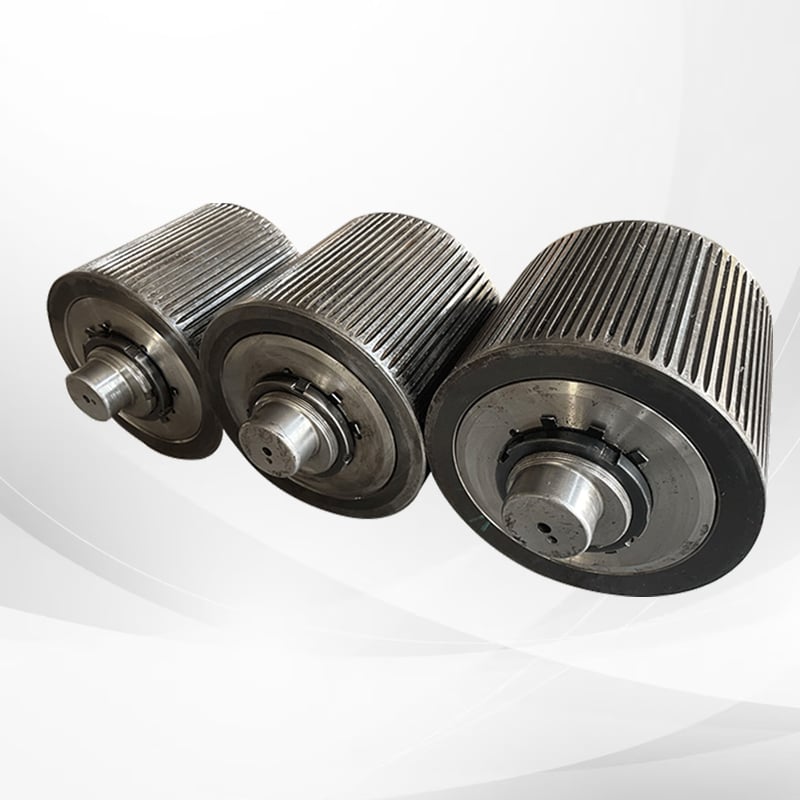
Understanding why roller shell quality matters so profoundly requires a closer look at the mechanical role it plays within the pellet mill. The roller shell is the cylindrical outer surface that rolls against the die, applying compression to force feed material through die holes to form pellets. Every rotation subjects the roller shell to intense friction, heat, and mechanical stress. A high-quality roller shell withstands these forces reliably over thousands of hours of operation, while a substandard one begins to fail much earlier — degrading pellet output, increasing energy consumption, and triggering premature die wear that compounds replacement costs significantly.
The Mechanical Role of the Roller Shell in Pellet Production
How the Roller Shell Interacts with the Die
The pellet mill operates through the coordinated action of two primary components: the die and the roller shell. As the die rotates, the roller shell rolls across its inner surface, applying localized compression to the feed material that fills the space between them. This nip zone — where material is compressed and extruded — is where pellet formation actually occurs. The roller shell must maintain consistent contact pressure across the full working surface of the die to ensure uniform pellet formation.
When the roller shell surface is uneven, worn unevenly, or manufactured with inconsistent hardness, the contact pressure becomes irregular. Some areas receive too little compression while others are overstressed. The result is a batch of pellets with varying density and durability, which is unacceptable in industries such as animal feed, biomass energy, and aquaculture. The precision geometry of a high-quality roller shell ensures that the nip zone is stable and productive across the entire die surface.
The shell's outer diameter and the alignment of its grooves or corrugations also affect how efficiently material is drawn into the nip zone. A well-engineered roller shell draws material inward with each rotation, reducing the energy required to feed the die consistently. Poor-quality shells may slip or fail to grip material effectively, reducing throughput and forcing the mill motor to work harder than necessary.
Compression Forces and Surface Fatigue
The compressive forces involved in pellet production are substantial. Depending on the material being processed and the die specification, roller shells can be subjected to peak contact stresses that exceed the tolerance of inferior materials. Over time, surface fatigue develops as micro-cracks form beneath the working surface of a roller shell that lacks adequate metallurgical quality. These micro-cracks eventually propagate to the surface, leading to pitting, spalling, or outright surface failure.
A roller shell manufactured from high-grade alloy steel with properly controlled heat treatment offers significantly greater resistance to surface fatigue. The hardness profile of the shell — typically measured by Rockwell hardness — should be optimized so that the outer surface is hard enough to resist wear while the inner structure retains sufficient toughness to absorb impact without cracking. This balance is not achievable with low-cost, uncontrolled casting or surface treatment methods.
Operators who use inferior roller shells often report accelerated fatigue failures that occur well before the expected service interval. Each early replacement event not only costs money directly but also requires production to halt, machines to cool, and components to be dismantled — all of which represent significant indirect cost burdens for any pellet production facility.
Material Quality and Its Direct Impact on Roller Shell Longevity
Alloy Composition and Heat Treatment Standards
The material from which a roller shell is made determines its fundamental performance ceiling. Common alloys used in quality roller shells include high-chromium cast iron, carburized alloy steels, and through-hardened tool steel grades selected for their wear resistance and mechanical toughness. The specific alloy choice depends on the pellet material being processed, the operating conditions, and the required service life.
Heat treatment is equally important. A roller shell made from the right alloy but subjected to improper heat treatment can still fail prematurely. Quenching and tempering processes must be precisely controlled to achieve the target hardness gradient from surface to core. Shells that have been over-hardened may become brittle and susceptible to chipping under the impact forces of the pelletizing process. Shells that are under-hardened wear through quickly and lose their surface profile within a fraction of their intended service life.
Quality manufacturers verify hardness profiles across multiple test points on each roller shell to confirm consistency before the part leaves the production facility. This level of quality assurance is absent in lower-cost alternatives, where batch-level or visual inspection replaces dimensional and metallurgical verification. The difference is not always visible at the time of installation — it becomes apparent only once the shell is under load in production.
Surface Finish and Groove Profile Engineering
The outer surface of a roller shell is not simply a smooth cylinder. It features a specific pattern of corrugations, grooves, or textures that serve the critical function of gripping feed material and drawing it into the compression zone. The design of this surface profile is engineered to match the feed material characteristics and the die hole geometry. A roller shell with an incorrect or poorly manufactured groove profile will fail to grip material effectively, leading to slippage, increased wear, and reduced pellet output quality.
High-quality roller shells are machined to precise groove dimensions with controlled surface roughness. The spacing, depth, and angle of the grooves are calibrated to optimize the friction coefficient between the shell and the material being processed. In biomass pellet mills, for example, where fiber materials tend to be abrasive, the groove profile must be deeper and more aggressive than those used in feed mills processing softer grain-based materials. A premium roller shell accounts for these application-specific requirements in its design.
The finish quality of the groove edges also matters. Burrs, irregular edges, or poorly blended groove transitions can concentrate stress at those points, accelerating the onset of surface cracking. Precision machining and deburring are essential finishing steps that distinguish a professionally manufactured roller shell from an economically produced substitute.
How Roller Shell Quality Affects Overall Pellet Mill Efficiency
Energy Consumption and Throughput Rate
One of the clearest indicators of roller shell condition is the energy draw of the pellet mill motor. A roller shell in good condition, with a properly maintained surface and correct geometry, allows the pelletizing process to proceed with minimal resistance beyond what is inherently required for compression. When the roller shell begins to wear unevenly or lose its surface texture, the mill motor must compensate for reduced grip and irregular pressure distribution by drawing more current.
This increase in energy consumption is measurable and cumulative. Facilities that track specific energy consumption per tonne of pellets produced often notice a gradual upward drift as roller shell quality degrades. While this may seem like a minor efficiency loss initially, over a production shift of eight to twelve hours, the additional energy cost becomes meaningful. Across a full production month, the difference between a quality roller shell and a worn or substandard one can represent a significant line item in operational expenditure.
Throughput rate is similarly affected. A roller shell that cannot grip and compress material consistently will cause more material to recirculate or fail to form pellets on each pass, reducing the net output of the mill. Production managers who notice declining throughput without obvious mechanical faults should consider roller shell condition as a primary diagnostic checkpoint, as its degradation is often gradual and easily overlooked until performance impact becomes severe.
Die Wear and Component Compatibility
The roller shell and the die form a matched working pair. Their interaction is so intimate that the quality of one directly affects the wear rate of the other. A roller shell with hard surface inclusions, uneven hardness, or an incorrect working diameter will create localized high-pressure contact zones on the die surface. These zones accelerate die wear in specific areas, leading to uneven hole enlargement that degrades pellet diameter consistency and surface quality.
In practical terms, using a low-quality roller shell alongside a premium die is a false economy. The savings made on the roller shell are often exceeded by the accelerated replacement cost of the die, which is typically the more expensive component. A matched set of quality components — both roller shell and die manufactured to compatible specifications — provides synergistic durability that maximizes the operational value of both parts.
Operators who have transitioned from budget roller shell suppliers to precision-engineered alternatives frequently report extended die service life as an immediate benefit. This alone can justify the higher initial investment in a quality roller shell when total cost of ownership is calculated over the full die lifecycle rather than on a per-purchase basis.
Identifying Roller Shell Degradation Before It Disrupts Production
Visual and Dimensional Inspection Indicators
Proactive monitoring of roller shell condition is essential for facilities that cannot afford unplanned downtime. Visual inspection should be conducted at every scheduled maintenance window. Early-stage roller shell degradation often presents as surface pitting, localized groove wear, or a visibly uneven surface texture when compared to a reference profile. More advanced degradation may include visible cracking, spalling of the hardened surface layer, or measurable reduction in outer diameter.
Dimensional checks using calipers or gauging tools allow maintenance teams to track the reduction in outer diameter over time, establishing a wear rate that can be used to predict remaining service life. When the roller shell diameter falls below the minimum acceptable tolerance for the die gap specification, replacement should be scheduled without delay to prevent die contact damage. Maintaining a service log for each roller shell enables data-driven replacement planning that reduces both over-servicing and reactive breakdown maintenance.
Groove profile inspection is equally important. Even if the outer diameter remains within tolerance, the groove depth and geometry may have worn to a point where grip performance is compromised. Using a groove depth gauge or a surface profile comparison tool provides a more complete picture of shell condition than diameter measurement alone. A quality roller shell should degrade predictably and evenly, making it easier to track and manage.
Operational Signals That Indicate Roller Shell Issues
Beyond physical inspection, several operational signals can alert production teams to deteriorating roller shell performance before a catastrophic failure occurs. An unexplained increase in specific energy consumption — measured as kilowatt-hours per tonne of pellets — is one of the most reliable early warning signs. If the mill is drawing more power to maintain the same output rate, roller shell condition should be investigated promptly.
Pellet quality metrics are also informative. A sudden drop in pellet hardness or durability test scores, combined with increased fines generation, often indicates that the compression efficiency of the roller shell has declined. Similarly, if the pellet diameter becomes inconsistent or the surface texture becomes rough and irregular, this frequently points to uneven wear across the roller shell working surface.
Unusual noise or vibration from the roller assembly can signal bearing damage that has been caused or accelerated by an imbalanced roller shell. When the shell wears unevenly, the rotating mass becomes asymmetric, generating vibration that loads the roller bearings beyond their design specification. Addressing roller shell condition early prevents secondary bearing failures that would otherwise drive up the total cost of each maintenance event.
FAQ
How often should a roller shell be replaced in a pellet mill?
Replacement intervals for a roller shell vary depending on the material being processed, operating hours, and the quality of the shell itself. In most animal feed applications, a high-quality roller shell may last between 1,000 and 2,500 hours of operation. In more abrasive biomass applications, intervals may be shorter. Establishing a dimensional monitoring routine is the most reliable way to determine the appropriate replacement point for your specific production conditions.
Can a worn roller shell damage the pellet mill die?
Yes, a worn or degraded roller shell can cause significant die damage. Uneven surface wear on the roller shell creates irregular contact pressure across the die, which can cause localized high-stress zones that accelerate die hole wear and surface fatigue. Operating with a deteriorated roller shell alongside a serviceable die is one of the most common causes of premature die failure in pellet mill operations.
What materials are best suited for roller shell manufacturing?
High-chromium alloy cast iron and carburized alloy steels are among the most commonly used materials for quality roller shell production. The specific material choice should be matched to the application — harder alloys offer greater wear resistance for abrasive materials, while tougher grades provide better impact resistance for applications involving fibrous or heterogeneous feed stocks. Heat treatment quality is as important as alloy selection in determining the final performance of the roller shell.
Is it possible to recondition a roller shell rather than replace it?
In some cases, a roller shell with surface wear but intact structural integrity can be reconditioned by re-machining the groove profile and applying a surface treatment to restore working dimensions. However, this is only cost-effective when the base material retains sufficient thickness and hardness after machining. Roller shells with advanced surface fatigue, deep cracking, or spalling are not candidates for reconditioning and should be replaced with new components to ensure reliable pellet mill performance.