 EN
EN
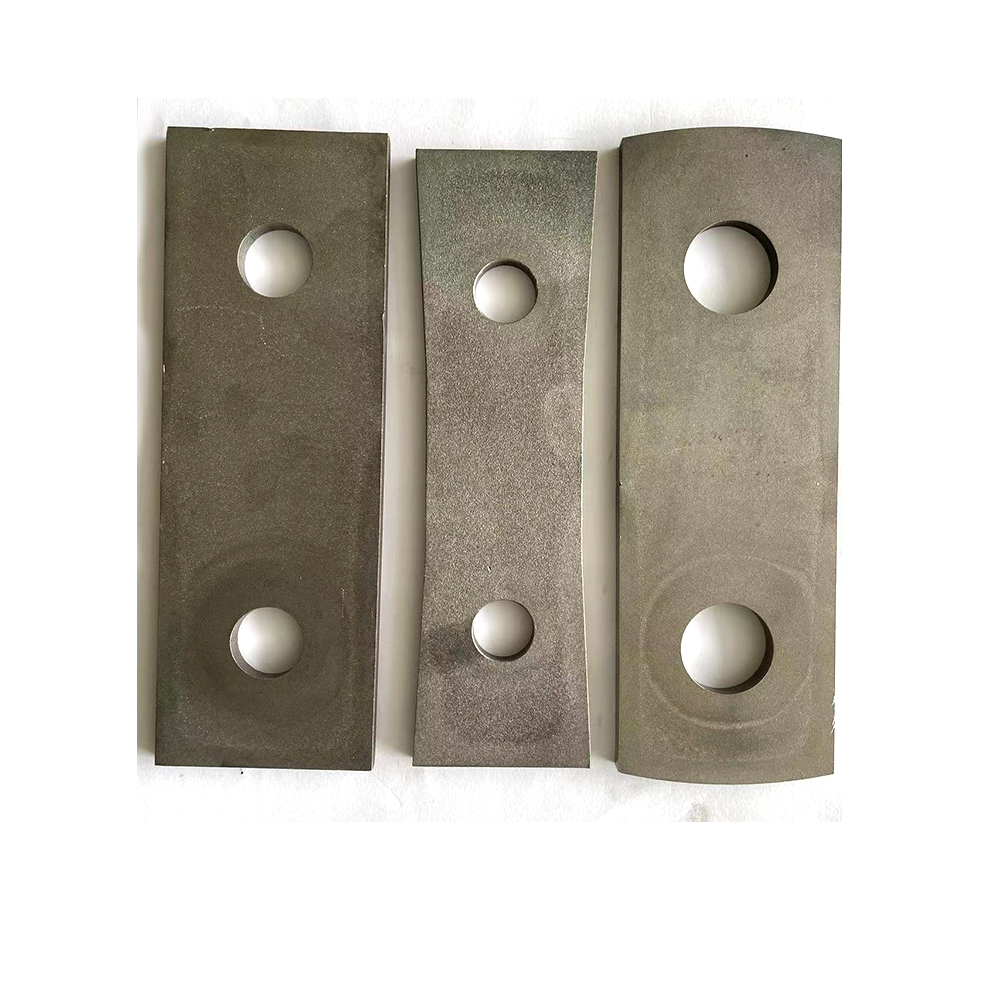
In any size reduction or grinding facility, consistent throughput is the backbone of profitability. When the primary grinding element begins to degrade faster than planned, the entire production line feels the impact — from uneven particle output to unexpected downtime and swelling maintenance costs. At the center of this challenge sits the hammer mill beater, the high-speed component responsible for delivering the repeated impact force that breaks down raw material. Its wear resistance is not simply a material specification — it is a direct determinant of how reliably and economically a plant can operate over time.
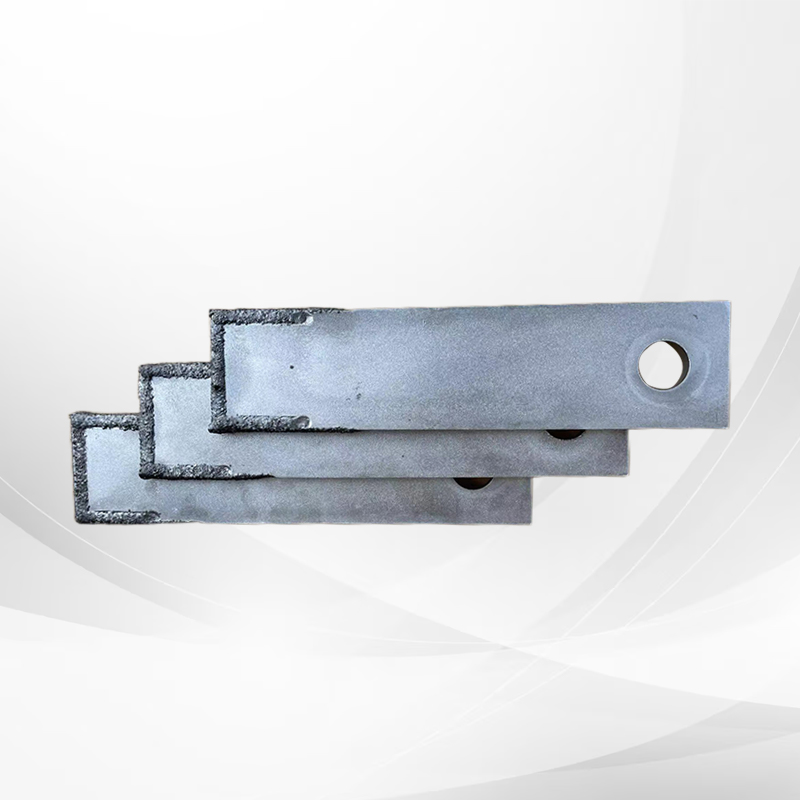
The relationship between hammer mill beater wear resistance and operational stability is one that plant engineers and procurement managers often underestimate until they experience the downstream consequences firsthand. A beater that loses its edge geometry prematurely changes how material is processed, how evenly screens are loaded, and how much energy is consumed per ton of output. Understanding why wear resistance matters so profoundly — and what governs it — gives operators a crucial advantage in designing and maintaining more reliable grinding systems.
The Role of the Hammer Mill Beater in Grinding Operations
How the Beater Delivers Grinding Force
The hammer mill beater operates at high rotational speeds inside the grinding chamber, repeatedly striking incoming feed material and accelerating it against breaker plates or screens. Each impact event subjects the beater to a combination of abrasive wear, impact shock, and thermal stress. In applications involving hard minerals, fibrous biomass, recycled metals, or abrasive agricultural residues, these forces are particularly intense and cumulative.
Unlike many machine components that degrade gradually and in predictable patterns, a hammer mill beater faces wear that can be both uniform across its face and localized at its striking edge. The striking edge bears the highest concentration of impact force, making it the zone most vulnerable to chipping, deformation, and accelerated material loss. When this edge dulls or deforms, the energy transferred per blow decreases, requiring more passes — and more energy — to achieve the target particle size.
This is why wear resistance is not simply about making a beater last longer. It is about preserving the functional geometry that makes each strike efficient. A worn hammer mill beater is not just a component nearing end-of-life — it is an active source of process inefficiency that compounds over time.
The Mechanical Demands Placed on a Beater
Every hammer mill beater must simultaneously withstand abrasive wear from hard particles, impact fatigue from repeated high-velocity strikes, and in some applications, corrosive attack from chemically aggressive feed materials. These demands do not act independently — they interact in ways that accelerate total wear rate beyond what any single force would cause alone. A beater weakened by abrasion is more susceptible to impact fracture, and one already stressed by impact fatigue is more likely to experience accelerated surface erosion.
The rotational mass of the beater also creates inertial forces that must be managed through precise balancing. As wear progresses unevenly across a set of beaters installed in the same rotor, balance deteriorates, generating vibration that propagates through the entire grinding system. This vibration shortens bearing life, accelerates fastener fatigue, and can trigger premature failure of adjacent structural components — all of which extend beyond the cost of the beaters themselves.
How Wear Resistance Directly Affects Plant Stability
Particle Size Consistency and Screen Performance
One of the most immediate and measurable impacts of a degraded hammer mill beater is the loss of particle size consistency in the output stream. When the striking surface is worn and no longer delivers uniform impact energy, material receives inconsistent treatment — some particles are over-processed while others pass through the chamber undersize. This variability places uneven loading on the classification screen, causing premature screen wear, increased blinding events, and erratic product quality.
For downstream processes that depend on tightly controlled particle size — pelleting, mixing, chemical extraction, or combustion — even modest drift in output granulometry can translate into significant process upsets. Feed mills, biomass energy plants, and pharmaceutical ingredient processors all rely on the hammer mill beater performing consistently within its specified geometry to maintain the product specifications their downstream equipment and customers require.
Maintaining beater wear resistance means maintaining product quality. When the beater holds its edge geometry longer, operators can run longer campaigns between interventions without sacrificing specification compliance. That predictability is a core element of stable plant operation.
Energy Consumption and Operational Efficiency
A worn hammer mill beater is an energy-wasting component. As the striking surface degrades, each blow transfers less kinetic energy into fracturing the feed material and more into surface deformation, heat generation, and mechanical vibration. The net result is that the mill must work harder — drawing more electrical power — to achieve the same throughput and product specification that a fresh, properly profiled beater could deliver at lower load.
In high-volume continuous operations, this efficiency penalty compounds across thousands of operating hours. Even a modest increase in specific energy consumption — say, three to five percent above baseline — translates to meaningful utility cost increases at industrial scale. Plants operating around the clock in energy-intensive industries such as cement, mineral processing, or biomass fuel production will see this inefficiency reflected clearly in monthly power consumption figures.
Investing in a hammer mill beater with superior wear resistance is therefore not simply a maintenance decision — it is an energy management decision with a measurable return on investment. The total cost of ownership over a campaign period must account for both replacement frequency and the cumulative energy premium paid as the beater wears toward its replacement threshold.
Unplanned Downtime and Maintenance Scheduling
Unplanned downtime caused by premature beater failure is among the most costly events a grinding plant can experience. When a hammer mill beater fails unexpectedly — through fracture, excessive weight loss causing rotor imbalance, or catastrophic screen damage from a broken beater fragment — the cost extends well beyond the price of replacement parts. Production schedules are disrupted, downstream processes starve for feed, and maintenance teams must respond under pressure, often in difficult conditions inside the grinding chamber.
Wear-resistant beaters extend the interval between planned replacement shutdowns, allowing maintenance teams to schedule interventions during lower-demand periods and to combine beater replacement with other routine tasks, improving overall maintenance efficiency. When operators know with confidence how long a hammer mill beater set will last under their specific feed conditions, they can plan material procurement, labor scheduling, and production commitments accordingly.
This predictability transforms maintenance from a reactive cost center into a proactive operational asset. The ability to forecast beater replacement intervals accurately is itself a competitive advantage in contract manufacturing and processing environments where uptime commitments are embedded in customer agreements.
Material Science Behind Beater Wear Resistance
Base Material Hardness and Toughness Balance
The wear resistance of a hammer mill beater begins with the properties of its base material. High-chrome cast iron, manganese steel, and alloy tool steels each offer different balances of hardness and toughness. Hardness resists abrasive wear but can make a material brittle and vulnerable to impact fracture. Toughness absorbs impact energy without fracturing but may yield more easily to abrasive surface removal. The optimal base material for a hammer mill beater depends on the specific feed material, the mill's operating speed, and the predominant wear mechanism in that application.
For highly abrasive feeds at moderate impact intensities, harder alloys or ceramic-composite materials may be appropriate. For feeds with large lumps, tramp metal risk, or sudden load spikes, tougher base materials with surface hardening treatments or applied wear layers often perform better in service. No single material suits every application equally, which is why material selection for a hammer mill beater must be driven by real operating data rather than catalog specifications alone.
Surface Hardening and Applied Wear Protection
Beyond base material selection, surface hardening technologies significantly extend the service life of a hammer mill beater in demanding applications. Tungsten carbide fusion welding, hard chrome overlays, and thermal spray coatings are among the most widely applied methods for adding a wear-resistant layer to the beater's striking surfaces. These treatments can increase surface hardness well above what the underlying substrate material could achieve alone, dramatically reducing the rate of abrasive surface removal.
Tungsten carbide in particular has become a preferred surface protection technology for high-wear hammer mill beater applications. Its exceptional hardness — among the highest of any commercially available engineering material — combined with strong bonding to the beater substrate provides a wear layer that can outlast untreated beaters by a factor of several times in severe abrasion conditions. The precise application method, carbide grain size, and binder composition all influence the ultimate performance of the finished beater in service.
The geometry of the applied wear layer also matters. A hammer mill beater that retains its designed striking profile through a robust wear-resistant overlay will continue to deliver efficient impact energy transfer throughout a much longer operational campaign. This is the core value proposition of advanced surface protection: it preserves function, not just form, over extended service life.
Evaluating Wear Resistance in Operational Context
Application-Specific Wear Testing and Monitoring
Not all wear resistance claims translate equally across different applications. A hammer mill beater that delivers outstanding life in wood chip grinding may perform very differently in a mineral grinding duty with a harder, more angular feed. Plant engineers should require application-specific wear data or trial results when evaluating beater options, not just generic laboratory abrasion test ratings. Real-world wear behavior reflects the combination of abrasion, impact, and thermal conditions that laboratory tests rarely fully replicate.
Implementing a structured beater monitoring program gives plants the data they need to forecast replacement cycles accurately. Periodic weight measurement of individual beaters, visual inspection of striking edge geometry, and tracking of mill power consumption and output particle size together provide a multi-parameter picture of beater condition over time. This data allows maintenance teams to identify early signs of accelerated wear before they escalate into unplanned downtime events.
Matching Beater Specification to Feed Conditions
The hammer mill beater specification chosen for initial installation should be revisited whenever feed conditions change significantly. Seasonal variation in biomass moisture content, changes in mineral ore hardness, introduction of recycled material streams with higher contamination levels, or shifts in target particle size specification can all alter the wear regime experienced by the beater significantly. What was an adequate specification under previous operating conditions may be insufficient under the new regime.
Operators who work closely with beater suppliers to align specification with current operating reality — rather than defaulting to historical purchase patterns — consistently achieve better wear life and lower total cost per ton processed. The hammer mill beater is not a commodity consumable that should be sourced on price alone. Its specification directly governs the efficiency, quality, and reliability of the entire grinding circuit it serves.
Reviewing beater performance data at scheduled intervals and using that data to refine material selection, surface treatment, and replacement scheduling is a hallmark of well-managed grinding operations. It transforms beater procurement from a reactive purchasing event into an active optimization lever for plant performance.
FAQ
What causes a hammer mill beater to wear faster in some applications than others?
Wear rate is driven by the hardness, angularity, and abrasivity of the feed material, combined with the operating speed and impact energy of the mill. Hard minerals, abrasive agricultural residues, and contaminated recycled materials all accelerate wear. Higher tip speeds generate greater impact force per strike, which increases both impact fatigue and abrasive wear simultaneously. A hammer mill beater running in a high-speed mineral grinding application will typically experience far shorter service life than the same beater used in a lower-speed fiber processing duty.
How does poor beater wear resistance affect downstream product quality?
As a hammer mill beater wears, the striking edge geometry changes, causing inconsistent impact energy delivery across the feed stream. This produces wider particle size distribution, more fines, and higher proportions of oversized particles that must be returned for regrinding. For downstream processes sensitive to particle size — such as pelleting, blending, or extraction — this variability introduces quality upsets, yield loss, and increased processing cost.
Can surface treatments like tungsten carbide welding significantly extend hammer mill beater life?
Yes, surface hardening treatments based on tungsten carbide can substantially extend the service life of a hammer mill beater in abrasive applications. The exceptionally hard carbide layer resists abrasive material removal at a rate far lower than unprotected steel or cast iron. In severely abrasive applications, operators frequently report service life improvements of three to five times or more compared with untreated beaters, which directly reduces replacement frequency, maintenance labor, and production downtime.
How should plant operators track hammer mill beater wear to avoid unplanned failures?
A structured monitoring program combining periodic weight measurement, visual edge inspection, mill power draw tracking, and output particle size sampling gives operators a reliable picture of beater condition. Setting a predefined replacement threshold — based on weight loss percentage or edge deformation criteria — allows teams to schedule interventions proactively before wear reaches a level that causes rotor imbalance, screen damage, or product specification failure. Consistent data collection over multiple replacement cycles also improves the accuracy of future life predictions for the same hammer mill beater specification under similar operating conditions.
Table of Contents
- The Role of the Hammer Mill Beater in Grinding Operations
- How Wear Resistance Directly Affects Plant Stability
- Material Science Behind Beater Wear Resistance
- Evaluating Wear Resistance in Operational Context
-
FAQ
- What causes a hammer mill beater to wear faster in some applications than others?
- How does poor beater wear resistance affect downstream product quality?
- Can surface treatments like tungsten carbide welding significantly extend hammer mill beater life?
- How should plant operators track hammer mill beater wear to avoid unplanned failures?