 EN
EN
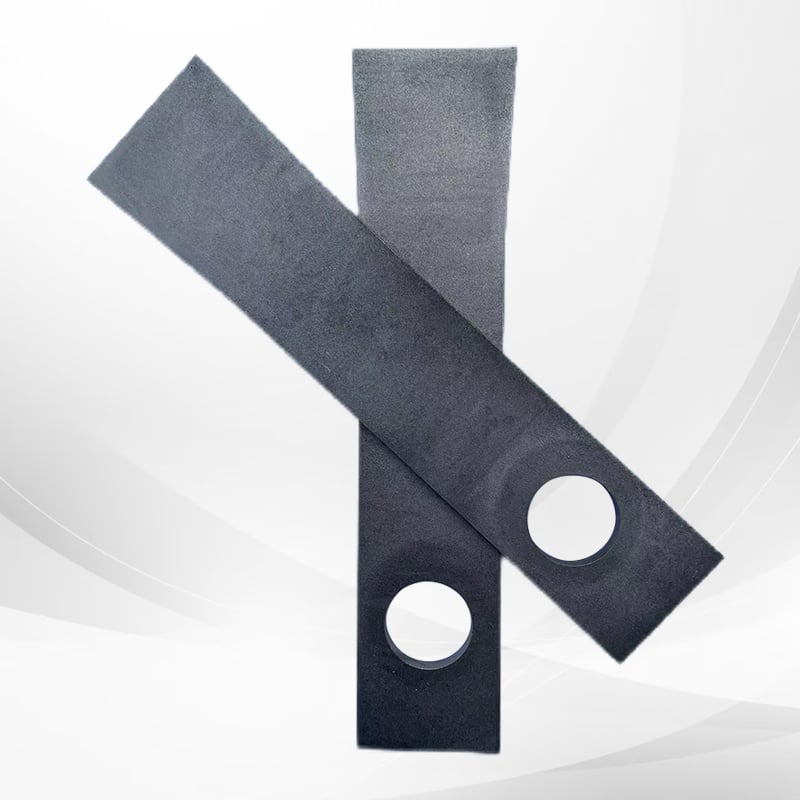
درک عوامل مؤثر بر نرخ سایش میلههای ضربهزن در آسیاب چکشی در کاربردهای سنگین، برای حفظ کارایی عملیاتی و کنترل هزینههای نگهداری در فرآیندهای صنعتی آسیابکاری امری ضروری است. میلههای ضربهزن در آسیاب چکشی بهعنوان اصلیترین بخش ضربهزن که مسئول کاهش اندازه مواد است، عمل میکنند و دوام آنها بهطور مستقیم بر زمانهای توقف تولید، مصرف انرژی و یکنواختی کیفیت محصول تأثیر میگذارد. در محیطهای پ demanding که مواد ساینده، نرخ عبور بالا و کارکرد مداوم از الزامات استاندارد محسوب میشوند، ویژگیهای سایش این اجزای حیاتی به عاملی تعیینکننده در اثربخشی کلی تجهیزات و سودآوری عملیاتی تبدیل میشوند.
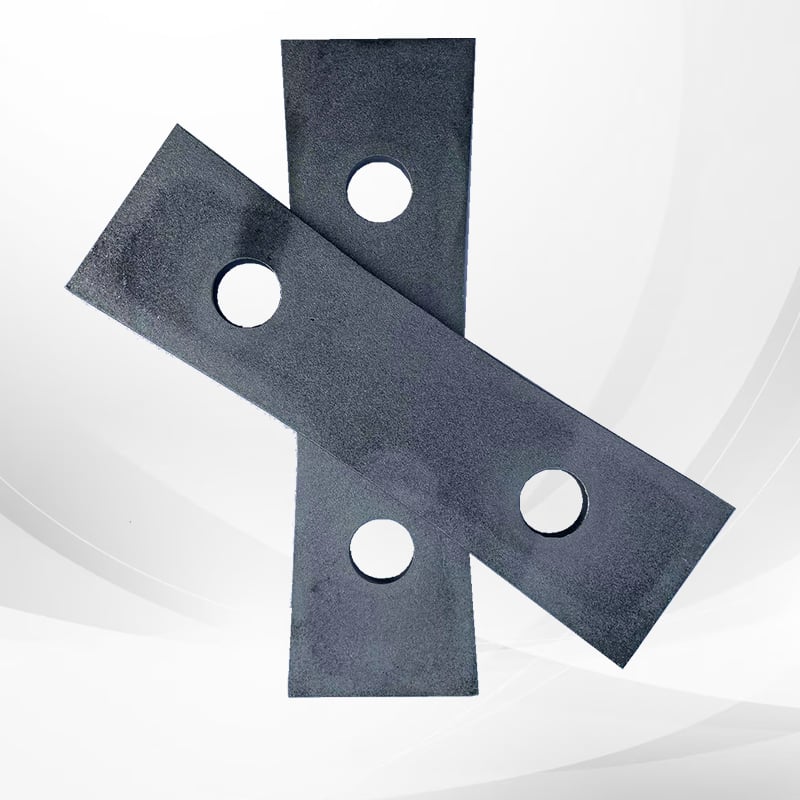
متغیرهای متعددی که با یکدیگر ارتباط دارند، بر سرعت فرسایش میلههای چکشی در شرایط کار سنگین تأثیر میگذارند؛ این متغیرها از ویژگیهای مواد و پارامترهای عملیاتی تا مشخصات طراحی و روشهای نگهداری و تعمیرات گستردهاند. هر یک از این عوامل در مکانیزمهای پیچیده فرسایشی که در حین برخورد ذرات با سرعت بالا رخ میدهند، نقش دارد؛ از جمله فرسایش سایشی، فرسایش فرسایشی و خستگی ضربهای. شناسایی این عوامل تعیینکننده به کاربران امکان میدهد تا تصمیمات آگاهانهای در مورد انتخاب مواد، تنظیمات عملیاتی و زمانبندی تعویض قطعات اتخاذ کنند؛ که در نهایت منجر به افزایش عمر خدماتی و کاهش هزینه کل مالکیت تجهیزات آسیاب چکشی در بخشهایی مانند معدنکاری، تولید سیمان، پردازش زیستتوده و بازیافت صنعتی میشود.
ترکیب مواد و ویژگیهای متالورژیکی
انتخاب ماده پایه و ویژگیهای سختی
ماده اولیهای که از آن ضربهزن آسیاب چکشی ساخته میشود، مهمترین عامل تعیینکننده مقاومت آن در برابر سایش در کاربردهای سنگین است. آلیاژهای فولادی با کربن بالا که دارای سختی در محدوده ۵۵ تا ۶۵ HRC هستند، مقاومت لازم در برابر سایش ساینده و ضربهای را فراهم میکنند، در حالی که بهاندازه کافی شکلپذیر و مقاوم در برابر شکست شکننده نیز باقی میمانند تا از وقوع شکست ناگهانی تحت چرخههای بارگذاری مکرر جلوگیری شود. تعادل بین سختی و شکلپذیری بهویژه هنگام پردازش موادی با سطوح مختلف سایندگی اهمیت زیادی پیدا میکند؛ زیرا سختی بیش از حد بدون وجود شکلپذیری کافی برای مقاومت در برابر شکست، میتواند منجر به ترکخوردگی زودهنگام و خرابی فاجعهبار — نه پیشرفت تدریجی سایش — شود.
آلیاژهای فولاد منگنز، بهویژه فولاد منگنز اُستنیتی با محتوای ۱۱ تا ۱۴ درصد منگنز، خواص استحکامیابی ناشی از کار برجستهای ارائه میدهند که آنها را برای کاربردهایی که نیروهای ضربهای شدید همراه با سایش متوسط را دربرمیگیرند، مناسب میسازد. این نوع ماده در حین عملیات، سختی سطحی خود را افزایش میدهد؛ زیرا ضربههای مکرر باعث تبدیل مارتنزیتی ناشی از کرنش میشوند و اثر خودسختشوندگی ایجاد میکنند که عمر کاربردی ضربهزن (بیتر) آسیاب چکشی را افزایش میدهد. با این حال، سختی اولیهٔ پایینتر این ماده نسبت به فولادهای پرحداشت، لزوم تطبیق دقیق انتخاب ماده با مکانیزمهای سایشی غالب در هر زمینهٔ کاربردی را الزامی میسازد.
عناصر آلیاژی و تأثیر آنها بر ریزساختار
وجود و درصد عناصر آلیاژی خاص، رفتار سایشی ضربهزن میلگرد (همار میل) را تحت شرایط کار سنگین بهطور اساسی تغییر میدهد. افزودن کروم در محدوده ۱۲ تا ۲۸ درصد، کاربیدهای محافظتی کروم را تشکیل میدهد که مقاومت در برابر سایش را بهطور قابلتوجهی افزایش میدهند؛ در حالی که مولیبدن هم قابلیت سختشدن و هم استحکام در دمای بالا را بهبود میبخشد که این امر در کاربردهایی که گرمای ناشی از اصطکاک، دمای قطعه را افزایش میدهد، اهمیت پیدا میکند. روکشهای کاربید تنگستن یا ساختارهای ترکیبی حاوی تنگستن، سختی و مقاومت در برابر سایش بسیار بالایی ارائه میدهند، اما به دلیل شکنندگی و پیامدهای هزینهای آنها، باید از لحاظ مناسببودن برای کاربرد مورد نظر با دقت ارزیابی شوند.
ویژگیهای ریزساختاری ناشی از فرآیندهای عملیات حرارتی نقشی به اندازهی خود در تعیین عملکرد سایشی ایفا میکنند. ساختار مارتنزیتی مناسبال refinement با ذرات کاربیدی بهطور یکنواخت پراکنده، مقاومت بهینهای در برابر سایش ساینده و ضربهای فراهم میکند، در حالی که سطح آستنیت باقیمانده باید کنترل شود تا از ناپایداری ابعادی در حین کار جلوگیری شود. اندازهی دانهها، ریختشناسی کاربیدها و توزیع فازها همگی بر رفتار آغاز و گسترش ترکها تأثیر میگذارند؛ این امر تعیینکنندهی این است که چکشهای آسیاب ضربهای در محیطهای عملیاتی پرتلاش، دچار سایش تدریجی فرسایشی میشوند یا دچار شکست ناگهانی میگردند.
پارامترهای عملیاتی و شرایط فرآیند
تأثیرات سرعت ضربه و سرعت چرخش
سرعت چرخشی آسیاب ضربهای بهطور مستقیم سرعت برخورد چکشهای آسیاب با ذرات مواد ورودی را تعیین میکند و این پارامتر از طریق روابط نمایی با انتقال انرژی جنبشی، تأثیر عمیقی بر نرخ سایش دارد. سرعتهای بالاتر در انتهای چکشها شکست شدیدتر مواد را ایجاد میکنند، اما همچنین شدت نیروهای برخوردی که سطح چکشها را تحت تأثیر قرار میدهند را نیز افزایش میدهند و این امر باعث تسریع در تغییر شکل پلاستیک و حذف ماده از سطح چکشها از طریق برخوردهای مکرر با انرژی بالا میشود. در کاربردهای سنگین که نیازهای دبیت (جریان عبوری) اغلب سرعت چرخشی را به حداکثر حد عملیاتی میرسانند، نرخهای سایش حاصل ممکن است بهصورت نامتناسبی نسبت به کاهشهای جزئی در سرعت افزایش یابند؛ بنابراین بهینهسازی سرعت عاملی حیاتی در تعادل بین بهرهوری و طول عمر قطعات است.
رابطه بین سرعت برخورد و نرخ سایش الگوهای پیچیدهای را دنبال میکند که بستگی به مکانیسم غالب سایش دارد. در مورد مواد شکنندهای که پردازش میشوند، افزایش سرعتها ممکن است در واقع سایش را روی «...» کاهش دهد، زیرا شکست تمیز را نسبت به سایش ساینده تضمین میکند؛ در حالی که مواد شکلپذیر یا الیافی ممکن است در سرعتهای بالاتر باعث افزایش سایش چسبنده و تغییر شکل سطحی شوند. ضربهدهنده دستگاه میل حمل درک این پاسخهای وابسته به جنس ماده، امکان تعیین محدودههای بهینه سرعت را برای اپراتورها فراهم میکند تا کارایی پردازش را حداکثر کرده و در عین حال سایش تسریعشده را به حداقل برسانند؛ بهویژه در کاربردهایی که ویژگیهای متغیر ماده، نیازمند استراتژیهای عملیاتی انطباقی هستند.
نرخ تغذیه و شدت بارگذاری ماده
نرخ تغذیه حجمی و بار مادی ناشی از آن در داخل غرفه آسیاب، بهطور قابلتوجهی از طریق چندین مکانیسم بر پیشرفت سایش روی سطوح ضربهزنهای آسیاب چکشی تأثیر میگذارند. نرخهای تغذیه بیشازحد، اثر «بالشی» مادی ایجاد میکنند؛ بهگونهای که ذرات ورودی در هنگام برخورد با ضربهزن هنوز در تماس با مواد تغذیهشده قبلی هستند؛ این امر ضربه مستقیم فلز به فلز را کاهش میدهد، اما ممکن است سایش ساینده را به دلیل جریان پایدار ذرات روی سطح ضربهزن افزایش دهد. در مقابل، نرخهای تغذیه ناکافی اجازه میدهند تا برخوردهای مستقیم با سرعت بالا بین ضربهزن آسیاب چکشی و اجزای غرفه یا سطوح صفحه مشبک رخ دهد که ممکن است منجر به آسیبهای ضربهای و ترکخوردن لبهها شده و پیشرفت سایش در مراحل بعدی را تسریع کند.
کاربردهای سنگین اغلب در نزدیکی حداکثر نرخهای تغذیهی توصیهشده کار میکنند تا اهداف تولیدی را محقق سازند؛ این امر شرایطی ایجاد میکند که غلظت ذرات در منطقهی برخورد به یک متغیر حیاتی در تعیین الگوهای سایش تبدیل میشود. بارگذاری بهینه، بستری پیوسته از ذرات را حفظ میکند که از ضربههای مستقیم بیلها به دیوارههای محفظه محافظت میکند، در عین حال از «کوسنسازی» ذرهبرذره جلوگیری میکند که باعث کاهش بازده آسیابشدن میشود. رابطهی بین نرخ تغذیه و نرخ سایش، رفتار آستانهای نشان میدهد: در محدودهی بهینه، سایش بهصورت تدریجی افزایش مییابد، اما هنگامی که نرخ تغذیه از ظرفیت پاکسازی ذرات آسیاب ضربهای فراتر رود، سایش بهسرعت افزایش یافته و منجر به انباشت مواد و شرایط بارگذاری غیرطبیعی میشود که بیلهای آسیاب ضربهای را فراتر از پارامترهای طراحی تحت تنش قرار میدهد.
ویژگیهای مواد و شاخص سایندگی
خواص فیزیکی و شیمیایی مادهای که در حال پردازش است، احتمالاً متغیرترین عامل تعیینکنندهٔ نرخ سایش ضربهزنها در آسیابهای چکشی در کاربردهای صنعتی محسوب میشوند. موادی با محتوای بالای سیلیس، ریختشناسی ذرات تیز و زاویهدار، یا مقادیر بسیار بالای سختی، از طریق عملیات آسیابکردن مداوم علیه سطح ضربهزن، سایش سایندهٔ شدیدی ایجاد میکنند؛ در حالی که مواد حاوی رطوبت یا ترکیبات شیمیایی ممکن است مکانیزمهای سایش خورندهای را به وجود آورند که اثرات سایش مکانیکی را تشدید میکنند. شاخص کار باند (Bond Work Index) یا اندازهگیریهای مشابه قابلیت آسیابپذیری، شاخصهای کمّی از مقاومت ماده در برابر کاهش اندازه ارائه میدهند و همبستگی قویای با نرخ سایش پیشبینیشده تحت شرایط استاندارد دارند.
در سناریوهای کاربردی سنگین که شامل جریانهای مواد مختلط یا ترکیب متغیر مواد اولیه هستند، پیشبینی سایش تجمعی بدون آزمونهای تجربی یا دادههای تاریخی عملیاتی دشوار میشود. موادی که در طول کاهش اندازه دچار تغییر فاز میشوند — مانند ساختارهای بلوری که به حالت بیشکل تبدیل میشوند — ممکن است ویژگیهای سایشی متغیری را در طول فرآیند آسیاب نشان دهند و این امر منجر به پیشرفت غیرخطی سایش در ضربهزن آسیاب چکشی میشود. علاوه بر این، وجود آلایندههای سخت یا فلزات خارجی (Tramp Metal) بهصورت تصادفی در جریان ورودی میتواند باعث آسیبهای ضربهای موضعی شده و نقاط تمرکز تنش ایجاد کند؛ که این امر سایش بعدی را در نواحی تحت تأثیر شتاب بخشیده و احتمالاً منجر به تعویض زودهنگام قطعات میشود.
ویژگیهای طراحی و ملاحظات هندسی
ضخامت و توزیع جرم
ویژگیهای ابعادی ضربهزن آسیاب چکشی، بهویژه پروفیل ضخامت و توزیع جرم آن، بهطور مستقیم بر مقاومت در برابر سایش و رفتار عملکردی آن در حین کار تأثیر میگذارد. بخشهای ضخیمتر ضربهزن حجم بیشتری از ماده را برای سایش در اختیار قرار میدهند، بهگونهای که تغییرات هندسی تا زمانی که عملکرد را تحت تأثیر قرار دهد، بهتاخیر میافتند؛ بنابراین عمر خدماتی آن در محیطهای ساینده بهطور مؤثر افزایش مییابد. با این حال، این امر همچنین لختی چرخشی و نیاز انرژی سیستم محرک آسیاب را افزایش میدهد. تعادل بین ذخیره کافی برای سایش و مصرف انرژی قابل قبول، بهویژه در کاربردهای سنگین بسیار حیاتی میشود، زیرا بازده انرژی بهطور مستقیم بر اقتصاد عملیاتی تأثیر میگذارد.
توزیع جرم در طول میلههای چکشی آسیاب چکشی، بر نمودار نیروی برخورد و توزیع تنش در حین رویدادهای برخورد ذرات تأثیر میگذارد. میلههای چکشی که جرم آنها به سمت انتهای ضربهزننده متمرکز شده باشد، به دلیل اثرات گریز از مرکز بیشتر، نیروی برخورد بالاتری ایجاد میکنند، اما ممکن است سایش شتابداری در منطقه برخورد تجربه کنند؛ در مقابل، توزیع یکنواختتر جرم، الگوی سایش متوازنتری را در سطح کاری ایجاد میکند. در کاربردهایی که شامل مواد اولیه خشن یا اندازه ذرات بسیار متغیر هستند، طراحی هندسی باید این واقعیت را در نظر بگیرد که مناطق مختلف سطح میله چکشی تحت شدت سایش متفاوتی قرار میگیرند که ممکن است نیازمند توزیع غیرمتقارن ضخامت یا ویژگیهای محافظتی در مناطق با سایش بالا باشد.
هندسه لبه و پیکربندی سطح
پروفیل لبه و پیکربندی سطحی ضربهزن آسیاب چکشی تأثیر عمیقی بر هر دو مؤلفهٔ اثربخشی کاهش اندازه و ویژگیهای پیشرفت سایش دارد. لبههای تیز جلویی نیروهای ضربه را در مساحتهای تماس کوچکتری متمرکز میکنند و شکست موثر ذرات را تقویت مینمایند، اما در عین حال تمرکز تنشها را ایجاد کرده و ممکن است سایش لبه و ترکخوردگی را تسریع نمایند. لبههای با شعاعگذاری یا شیبدار، نیروهای ضربه را روی مساحتهای سطحی بزرگتری پخش میکنند و شدت تنشهای اوج را کاهش داده و احتمالاً عمر مفید را افزایش میدهند، هرچند این امر ممکن است به قیمت کاهش اولیهٔ بازده آسیاب در کاربردهایی که نیازمند شکست خشن ذرات هستند، صورت گیرد.
پوششهای سطحی مانند پوششدهی مقاوم در برابر سایش، اعمال پوششها یا الگوهای بافتدار میتوانند رفتار سایشی قطعات ضربهزن آسیاب چکشی را در کاربردهای سنگین بهطور قابل توجهی تغییر دهند. پوششدهی جوشی با ترکیبات کاربید تنگستن یا کاربید کروم مقاومت فوقالعادهای در برابر سایش در نواحی موضعی با سایش شدید فراهم میکند، هرچند ناپیوستگی بین ماده پایه و لایه پوششی ممکن است در شرایط ضربهای شدید منجر به نقاط شکست شود. پرداخت سطحی صاف در مقابل پرداخت بافتدار بر تعامل بین ذرات ماده و سطح ضربهزن تأثیر میگذارد؛ بهطوریکه برخی الگوهای بافت ممکن است جریان مواد را تسهیل کرده و سایش چسبنده را کاهش دهند، در حالیکه الگوهای دیگر ممکن است ذرات ساینده را بهدام انداخته و مکانیزمهای سایشی خردکنندگی را تسریع کنند.
پیکربندی نصب و دینامیک نوسان
اتصال مکانیکی بین ضربهزن آسیاب چکشی و مجموعه روتور از طریق تأثیر بر پویایی برخورد و توزیع بار، بر الگوهای سایش تأثیر میگذارد. ضربهزنهای نصبشده بهصورت صلب، نیروهای برخورد را مستقیماً به پین نصب و ساختار روتور منتقل میکنند که ممکن است منجر به سایش موضعی در سوراخهای نصب و تمرکز تنش در نقاط اتصال شود. در مقابل، پیکربندیهای نصب نوع «نوسانی» اجازه میدهند ضربهزن آسیاب چکشی در لحظه برخورد نسبت به پین نصب بچرخد و بخشی از نیروهای ضربهای را از طریق این چرخش جذب کند؛ این امر میتواند سایش ناشی از برخورد را کاهش دهد، اما ممکن است سایش را در نقطه محور چرخش افزایش داده و در برخی سرعتهای عملیاتی ناپایداریهای پویایی ایجاد کند.
تولرانسهای شکاف و تنگی بین سوراخ نصب میلهکوبنده و پین روتور بهطور مستقیم بر پیشرفت سایش در هر دو جزء تأثیر میگذارد. شکاف اضافی باعث حرکت ناشی از ضربه و سایش لرزشی (فروتینگ) در سطح تماس میشود، در حالی که تنگی اضافی ممکن است در طراحیهای نوع نوسانی، حرکت صحیح را مختل کند یا شرایط قفلشدگی ایجاد کند که هندسه ضربه را تغییر دهد. در کاربردهای سنگین که دامنه ارتعاشات و شدت بارگذاریهای دورهای قابل توجه است، پیکربندی نصب عاملی حیاتی در جلوگیری از تمرکز زودرس سایش در نقاط اتصال محسوب میشود؛ این امر میتواند منجر به حالتهای شکست فاجعهباری شود که از سایش تدریجی سطحی روی سطوح ضربهزن میلهکوبنده آسیاب چکشی متمایز هستند.
عوامل محیطی و عملیاتی ثانویه
اثرات دما و چرخههای حرارتی
افزایش دما در حین عملیات فرآوری سنگین تأثیری بر نرخ سایش ضربهزنهای آسیاب چکشی از طریق چندین مکانیسم دارد، از جمله تغییرات در خواص مواد، ایجاد تنشهای حرارتی و شتابدهی به فرآیندهای سایشی شیمیایی. گرمای اصطکاکی ناشی از برخوردهای پرسرعت مکرر میتواند دمای محلی را تا سطوحی افزایش دهد که در آن سختی ماده کاهش یافته، مقاومت در برابر سایش را کم کند و احتمالاً باعث نرمشدن سطحی شود که سایش مواد ساینده را تسریع میکند. موادی که حاشیه دمای عملیات بازپخت (تمپر) کافی نداشته باشند، ممکن است در حین کار دچار بازپخت غیرعمدی شوند که این امر بهصورت دائمی سختی را کاهش داده و عمر قطعات را در کاربردهای پیوسته و شدید بهطور چشمگیری کوتاه میکند.
چرخههای حرارتی بین شرایط کارکرد و خاموشی، الگوهای تنش متناوبی ایجاد میکنند که به شروع ترکهای خستگی کمک میکنند؛ بهویژه زمانی که گرادیانهای دما باعث انبساط ناهمسان بین نواحی سطحی و هستهای ضربهزن (بیتر) آسیاب چکشی میشوند. کاربردهایی که شامل کارکرد متناوب با چرخههای متعدد روشنشدن و خاموششدن هستند، شرایط خستگی حرارتی شدیدتری را نسبت به کارکرد پیوسته ایجاد میکنند، حتی اگر مجموع ساعات کارکرد ثابت باقی بماند. ترکیب تنشهای مکانیکی ناشی از ضربه و تنشهای حرارتی، شرایط بارگذاری چندمحوری پیچیدهای ایجاد میکند که ممکن است گسترش ترکها را در طول مرزهای دانهای یا از طریق ناپیوستگیهای ریزساختاری تقویت کند و منجر به شکستهای ناگهانی شود، نه پیشرفت تدریجی و قابل پیشبینی سایش.
اثرات تعامل خوردگیزا و شیمیایی
تعاملات شیمیایی بین مواد فرآوریشده و سطح میلههای چکشی در آسیاب چکشی میتواند نرخ سایش را بهطور قابلتوجهی فراتر از مکانیسمهای صرفاً مکانیکی افزایش دهد، بهویژه در کاربردهایی که شامل رطوبت، ترکیبات اسیدی یا مواد واکنشپذیر شیمیایی هستند. سایش خورنده بهصورت حفرهزدن سطحی، حملهی ترجیحی به مرزدانهها یا حلشدن عمومی سطح ظاهر میشود که منجر به از بین رفتن ماده بدون وابستگی به اثرات مکانیکی میگردد و همچنین با ایجاد زبری سطحی، سایش سایندهی بعدی را تسریع میکند. موادی که حاوی کلریدها، سولفاتها یا اسیدهای آلی هستند—که در کاربردهای پردازش کشاورزی یا پسماند یافت میشوند—مکانیسمهای سایش الکتروشیمیایی را ایجاد میکنند که اثرات سایش مکانیکی را تشدید مینمایند.
ترکیب سایش مکانیکی و حمله شیمیایی الگوهای تخریب همافزایندهای ایجاد میکند که در آن خوردگی لایههای سطحی محافظ یا فیلمهای اکسیدی را از بین میبرد و مواد تازه را در معرض سایش ساینده قرار میدهد، در حالی که عمل مکانیکی بهطور مداوم محصولات خوردگی را حذف کرده و تشکیل لایههای غیرفعال پایدار را مختل میسازد. در کاربردهای سنگین که مواد با ویژگیهای شیمیایی متغیر پردازش میشوند، نرخ سایش ضربهزن (بیتر) آسیاب چکشی ممکن است بسته به ترکیب مواد خوراک ورودی بهطور قابلتوجهی نوسان کند و این امر پیشبینی سایش را بدون تحلیل دقیق مواد دشوار میسازد. در محیطهای شیمیایی خورنده، استفاده از فولاد ضدزنگ یا آلیاژهای ویژه مقاوم در برابر خوردگی ممکن است ضروری باشد، هرچند این مواد معمولاً سختی کمتری داشته و مقاومت در برابر سایش را نسبت به فولادهای ابزاری پرکربن کاهش میدهند؛ بنابراین انتخاب مواد باید با دقت انجام شود تا الزامات متضاد عملکردی بهدرستی متعادل گردند.
روشهای نگهداری و پروتکلهای بازرسی
فرصتهای انجام نگهداری و کیفیت آنها بهطور مستقیم بر عمر مفید مؤثر و الگوهای پیشرفت سایش قطعات ضربهزن (بیتر) آسیاب چکشی در کاربردهای پرتنش تأثیر میگذارد. رویههای بازرسی منظمی که آسیبهای اولیه سایش، ترکخوردگی لبهها یا شروع ترک را شناسایی میکنند، امکان چرخش یا تعویض بهموقع قطعات را فراهم میسازند و از وقوع خرابیهای فاجعهبار جلوگیری میکنند؛ این امر از آسیبهای ثانویه به محفظههای آسیاب، صفحات غربال و تجهیزات مرتبط جلوگیری مینماید. مجموعههای روتور متعادل با سایش یکنواخت قطعات ضربهزن در تمام موقعیتها، ارتعاش را به حداقل رسانده و سایش تسریعشده ناشی از عدم تعادل دینامیکی را کاهش میدهند؛ بنابراین برنامههای چرخش سیستماتیک، یک رویه نگهداری حیاتی برای افزایش عمر کلی قطعات محسوب میشوند.
مشخصات گشتاور مناسب برای سختافزار نصب و بررسی دورهای از سلامت پیچها و مهرهها، از نصب شل چکشهای آسیاب ضربهای جلوگیری میکند که موجب آسیبهای ضربهای به سوراخهای نصب و افزایش سریع سایش در رابطهای اتصال میشود. رویههای روانکاری یاتاقانهای روتور و اجزای محرک، هرچند تأثیر مستقیمی بر سایش چکشها ندارند، اما بر ویژگیهای کلی عملکرد آسیاب تأثیر میگذارند و بهصورت غیرمستقیم با اثر بر پایداری چرخشی و سطح ارتعاشات، طول عمر اجزای آن را تحت تأثیر قرار میدهند. در عملیات سنگین، برنامههای جامع نگهداری که پایش وضعیت، تحلیل ارتعاشات و بازرسی سیستماتیک اجزا را ادغام میکنند، عمر عملیاتی مؤثر مجموعههای چکشهای آسیاب ضربهای را بهطور قابلتوجهی نسبت به رویکردهای نگهداری واکنشی — که تنها به خرابیهای آشکار پاسخ میدهند — افزایش میدهند.
پرسشهای متداول
سختی مادهٔ چکش آسیاب ضربهای چگونه بر مقاومت آن در برابر سایش در کاربردهای ساینده تأثیر میگذارد؟
سختی ماده بهطور مستقیم با مقاومت در برابر سایش ارتباط دارد، زیرا سطوح سختتر توانایی بیشتری در مقاومت در برابر نفوذ و جدا شدن ماده توسط ذرات ساینده دارند. با این حال، سختی بیش از حد بدون انعطافپذیری کافی میتواند منجر به شکست شکننده تحت بار ضربهای شود. محدودهٔ سختی بهینه برای کاربردهای چکشهای آسیاب ضربهای معمولاً بین ۵۵ تا ۶۵ HRC قرار دارد که تعادلی بین مقاومت در برابر سایش و انعطافپذیری کافی برای تحمل ضربههای پرتکرار با انرژی بالا ایجاد میکند. در کاربردهای بسیار ساینده که موادی مانند کانیهای غنی از سیلیس یا سلاگ پردازش میشوند، حداکثر سختی عملی بیشترین مقاومت در برابر سایش را فراهم میکند، در حالی که کاربردهایی که شامل بارگذاری ترکیبی از ضربه و سایش هستند، از مقادیر سختی کمی پایینتر بهره میبرند تا خواص انعطافپذیری بهتری حفظ شود.
رابطه بین سرعت چرخشی آسیاب ضربهای و نرخ سایش چکشها چیست؟
سرعت چرخشی از طریق تأثیر خود بر سرعت برخورد و انتقال انرژی جنبشی در حین برخورد ذرات، بر نرخ سایش تأثیر میگذارد. بهطور کلی، نرخ سایش با افزایش سرعت چرخشی بهصورت نمایی افزایش مییابد، زیرا رابطهای درجه دوم بین سرعت و انرژی جنبشی وجود دارد. با این حال، رابطهٔ دقیق به ویژگیهای مادهٔ پردازششده بستگی دارد؛ چراکه مواد شکننده ممکن است در سرعتهای بالاتر بهطور کارآمدتری ترک بخورند و عملیات آسیابکردن کاهش یابد که این امر ممکن است منجر به کاهش نرخ سایش شود، درحالیکه مواد شکلپذیر تمایل دارند در سرعتهای بالاتر باعث افزایش تغییر شکل و سایش چسبنده شوند. انتخاب بهینهٔ سرعت نیازمند تعادل بین نیازهای بهرهوری و طول عمر قطعات است و اغلب شامل شناسایی محدودهای از سرعتها میشود که در آن کارایی کاهش اندازه همچنان بالا باقی میماند، درحالیکه شتاب سایش در حد قابل مدیریتی نگه داشته میشود.
آیا نرخ تغذیهٔ نامناسب میتواند منجر به خرابی زودهنگام ضربهزنهای آسیاب چکشی شود؟
بله، هم نرخ تغذیه بیش از حد و هم نرخ تغذیه ناکافی میتوانند سایش زودرس میلههای چکشی آسیاب را تسریع کرده و از طریق مکانیزمهای مختلف باعث خرابی زودرس آنها شوند. نرخ تغذیه بیش از حد منجر به انباشتگی مواد در غرفه آسیاب میشود که این امر ایجاد عملیات سایشی طولانیمدت و شرایط بار اضافی را به دنبال دارد و در نتیجه میلههای چکشی را فراتر از حد مجاز طراحی تحت تنش قرار میدهد. از سوی دیگر، نرخ تغذیه ناکافی اجازه میدهد تا برخوردهای مستقیم با سرعت بالا بین میلههای چکشی و قطعات داخلی آسیاب بدون وجود لایه محافظ مواد رخ دهد؛ این امر باعث آسیبهای برخوردی، ترکیدن لبهها و تمرکز تنشها شده و در نهایت منجر به ایجاد ترکهایی میشود که در ساختار میلهها گسترش مییابند. حفظ نرخ تغذیه در محدودهای که توسط سازنده توصیه شده است، تعادل بهینهای بین بهرهوری و حفاظت از قطعات را فراهم میکند؛ بدین ترتیب بارگیری مواد هم لایه ضربهگیر کافی فراهم میکند و هم از انباشتگی و الگوهای سایش غیرعادی جلوگیری مینماید.
در عملیات پیوسته سنگین، چقدر پیش از اینکه میلههای چکشی آسیاب مورد بازرسی قرار گیرند؟
فرصتهای بازرسی ضربهزنهای آسیاب چکشی در کاربردهای سنگین باید بر اساس دادههای تجربی مربوط به نرخ سایش در شرایط عملیاتی خاص، ویژگیهای مواد پردازششده و عمر تاریخی قطعات تعیین شود. در مراحل اولیهٔ راهاندازی، بازرسیها باید هفتگی انجام شوند تا الگوی اولیهٔ سایش مشخص شده و مسیر نرخ سایش شناسایی گردد؛ پس از آن فواصل بازرسی را میتوان بهگونهای تنظیم کرد که حدوداً در ۲۵ تا ۳۰ درصد از فواصل پیشبینیشدهٔ عمر قطعه انجام شوند. در عملیات سنگین مداوم که مواد بسیار سایندهای پردازش میشوند، ممکن است نیاز به بازرسی هر ۱۰۰ تا ۲۰۰ ساعت کارکرد باشد، در حالی که در کاربردهای کمتنشتر این فواصل میتواند تا ۵۰۰ تا ۱۰۰۰ ساعت افزایش یابد. بهکارگیری پایش ارتعاشی و سایر روشهای پایش مبتنی بر وضعیت (CBM) میتواند بازرسیهای زمانبندیشده را تکمیل کند و هشدار اولیهای دربارهٔ پیشرفت غیرطبیعی سایش یا عیوب در حال توسعه که نیازمند توجه فوری هستند، ارائه دهد.
فهرست مطالب
- ترکیب مواد و ویژگیهای متالورژیکی
- پارامترهای عملیاتی و شرایط فرآیند
- ویژگیهای طراحی و ملاحظات هندسی
- عوامل محیطی و عملیاتی ثانویه
-
پرسشهای متداول
- سختی مادهٔ چکش آسیاب ضربهای چگونه بر مقاومت آن در برابر سایش در کاربردهای ساینده تأثیر میگذارد؟
- رابطه بین سرعت چرخشی آسیاب ضربهای و نرخ سایش چکشها چیست؟
- آیا نرخ تغذیهٔ نامناسب میتواند منجر به خرابی زودهنگام ضربهزنهای آسیاب چکشی شود؟
- در عملیات پیوسته سنگین، چقدر پیش از اینکه میلههای چکشی آسیاب مورد بازرسی قرار گیرند؟