 EN
EN
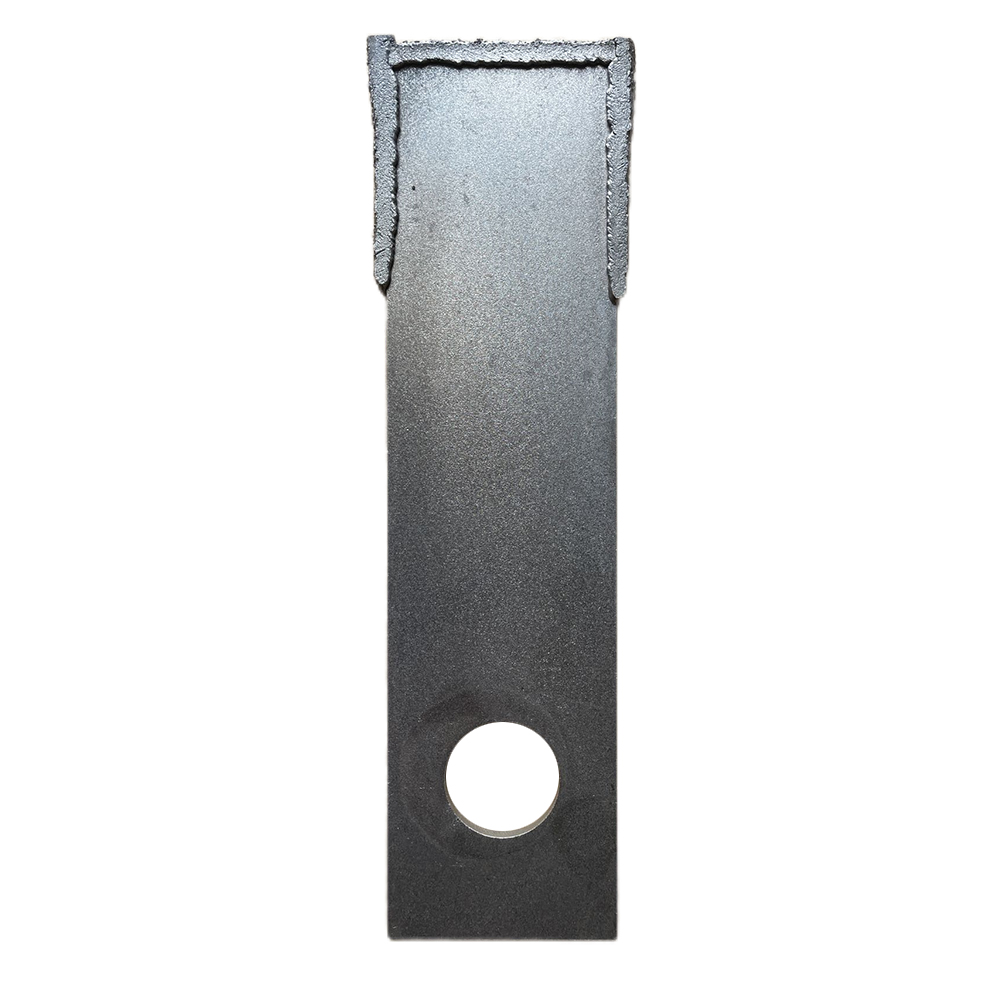
In industrial milling operations, the hammer mill blade serves as the primary component responsible for particle size reduction, material throughput, and product consistency. When these blades deteriorate or operate under suboptimal conditions, the entire production system experiences cascading failures that extend beyond simple wear patterns. Understanding why systematic maintenance of the hammer mill blade directly influences operational stability requires examining the interplay between mechanical integrity, process efficiency, and cost management across continuous production environments.
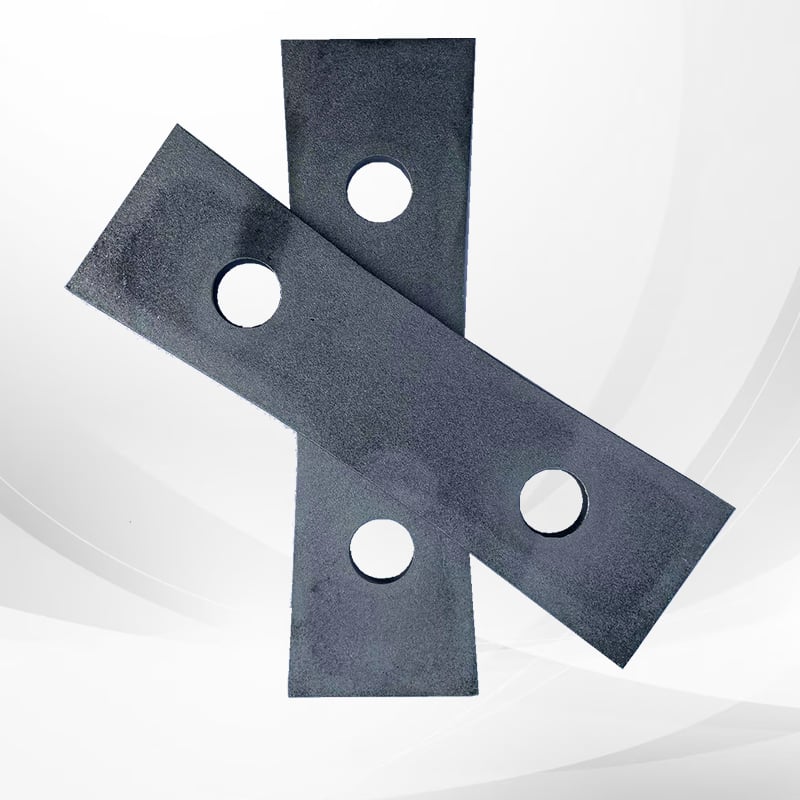
The critical nature of hammer mill blade maintenance stems from the fact that these components operate under extreme mechanical stress, continuous impact loading, and abrasive conditions that accelerate degradation rates. Unlike static machinery parts, the hammer mill blade experiences dynamic forces measured in thousands of cycles per minute, creating metal fatigue patterns that compromise structural integrity long before visible damage becomes apparent. This hidden deterioration directly affects production stability by introducing variability in particle size distribution, increasing energy consumption, and creating unpredictable downtime events that disrupt manufacturing schedules and reduce overall equipment effectiveness.
The Direct Impact of Blade Condition on Process Stability
Particle Size Consistency and Product Quality Control
The geometric profile of a hammer mill blade determines the kinetic energy transfer during impact events, which directly governs particle size reduction efficiency. As blade edges wear, the effective striking surface area increases while the impact force per unit area decreases, resulting in larger average particle sizes and broader size distribution curves. This degradation pattern introduces quality variability that becomes particularly problematic in industries with strict specification tolerances, such as pharmaceutical ingredient processing, food additive manufacturing, and mineral filler production where particle size uniformity directly affects end-product performance.
Production facilities that neglect systematic hammer mill blade inspection protocols experience what industry specialists term 'drift phenomena,' where output specifications gradually shift outside acceptable ranges without triggering immediate alarms. This gradual quality degradation creates downstream processing complications including poor mixing behavior, inconsistent reaction kinetics in chemical applications, and reduced functional performance in formulated products. The maintenance imperative becomes clear when considering that a single compromised blade in a multi-blade rotor assembly can influence the entire particle size distribution profile, making regular condition assessment essential for maintaining process control.
Energy Efficiency and Operational Cost Structure
The relationship between hammer mill blade condition and energy consumption follows predictable degradation curves that experienced operators recognize as early warning indicators. Sharp, properly maintained blades require less rotational energy to achieve target particle sizes because they fracture materials efficiently through concentrated stress points rather than relying on multiple impact events. Worn blades necessitate longer residence times and higher motor loads to compensate for reduced cutting efficiency, translating directly into increased electrical consumption that compounds over extended production runs.
Quantitative analysis of production data from continuous milling operations reveals that energy consumption can increase by fifteen to thirty percent as hammer mill blade wear progresses from optimal condition to replacement threshold. This energy penalty extends beyond direct electricity costs to include thermal management challenges, as inefficient milling generates excess heat that requires additional cooling capacity and may affect temperature-sensitive materials. Facilities operating multiple hammer mills in parallel configurations find that inconsistent blade maintenance across units creates load balancing problems that further compromise overall system efficiency and increase operational complexity.
Vibration Patterns and Mechanical System Integrity
Unbalanced or damaged hammer mill blade assemblies generate vibration signatures that propagate throughout the mechanical system, affecting bearing life, shaft alignment, and structural mounting integrity. The dynamic forces created by asymmetric blade wear or partial blade failure introduce harmonic frequencies that accelerate fatigue in supporting components, creating a multiplier effect where initial blade neglect leads to progressively more expensive secondary failures. Advanced maintenance programs employ vibration analysis to detect subtle changes in hammer mill blade condition before catastrophic failures occur, demonstrating the value of proactive intervention strategies.
The mechanical consequences of poor blade maintenance extend to rotor balance characteristics, where even minor mass distribution changes affect centrifugal loading patterns at operational speeds. Facilities that establish baseline vibration profiles for properly maintained equipment can identify blade degradation through spectral analysis techniques that reveal characteristic frequency shifts associated with wear patterns, crack initiation, or material loss. This predictive capability transforms maintenance from reactive crisis management into strategic asset preservation, reducing unplanned downtime events and extending the service life of capital equipment investments.
Material-Specific Wear Mechanisms and Maintenance Requirements
Abrasive Wear in Mineral Processing Applications
Processing materials with high silica content or crystalline structures subjects the hammer mill blade to abrasive wear mechanisms that systematically remove material from striking surfaces through micro-cutting and plowing actions. The severity of abrasive wear depends on particle hardness relative to blade metallurgy, with applications involving limestone, clay minerals, or industrial minerals creating particularly demanding service conditions. Understanding these material-specific wear patterns allows maintenance teams to establish inspection intervals based on actual operating conditions rather than arbitrary calendar schedules, optimizing blade replacement timing to balance performance requirements against component costs.
Facilities processing abrasive feedstocks find that hammer mill blade geometry changes progressively alter flow patterns within the milling chamber, affecting screen clearance relationships and residence time distributions. This evolution requires periodic adjustments to screen configurations and operational parameters to maintain target output specifications as blade profiles change. The interdependency between blade condition and system configuration underscores why maintenance protocols must address the entire milling system rather than treating blade replacement as an isolated component swap, ensuring that performance optimization considers the integrated equipment state.
Impact Fatigue in High-Throughput Operations
High-capacity hammer mills operating at elevated rotor speeds subject each hammer mill blade to repetitive impact loading that accumulates fatigue damage within the material microstructure. Unlike gradual abrasive wear, fatigue mechanisms create subsurface crack networks that propagate under cyclic stress until sudden catastrophic failure occurs without obvious external warning signs. This failure mode presents particular stability risks because blade fragments can damage screens, deflector plates, and discharge systems, creating extensive secondary damage that multiplies repair costs and extends downtime duration beyond simple blade replacement intervals.
Metallurgical considerations become paramount in fatigue-dominated applications, where blade material selection must balance hardness for wear resistance against toughness to resist crack propagation. Maintenance programs for high-throughput installations typically incorporate magnetic particle inspection or ultrasonic testing protocols to detect subsurface fatigue damage before it reaches critical dimensions. These non-destructive evaluation techniques enable condition-based replacement strategies that retire blades based on actual damage state rather than empirical runtime estimates, improving safety margins while optimizing component utilization efficiency.
Corrosion and Chemical Degradation Factors
Processing materials with moisture content or chemical reactivity introduces corrosion mechanisms that compromise hammer mill blade integrity through different pathways than mechanical wear alone. Humid feedstocks can promote surface oxidation that creates pitting patterns and stress concentration sites, while acidic or alkaline materials may attack blade surfaces through chemical dissolution processes. The combination of corrosive environments with mechanical loading creates synergistic degradation where corrosion-assisted fatigue accelerates failure rates beyond what either mechanism would produce independently, necessitating enhanced maintenance vigilance in chemically aggressive applications.
Material compatibility becomes a critical selection criterion for hammer mill blade specification in chemical processing environments, with stainless steel alloys or specialized coatings required to maintain operational stability. Maintenance protocols for corrosive applications must include visual inspection for surface condition changes, as pitting or discoloration patterns indicate active degradation that requires intervention before structural compromise occurs. The economic implications of corrosion-related failures extend beyond replacement costs to include contamination risks when blade material enters the product stream, potentially requiring batch disposal and creating quality assurance complications that affect customer relationships and regulatory compliance.
Operational Consequences of Inadequate Blade Maintenance
Production Throughput Variability and Schedule Disruption
The progressive degradation of hammer mill blade condition manifests as declining throughput rates that force operators to reduce feed rates or accept lower product quality to maintain continuous operation. This performance degradation rarely follows linear patterns, instead exhibiting threshold behaviors where blade condition reaches critical states that trigger sudden capacity losses. Facilities dependent on consistent production rates find these unpredictable performance drops particularly disruptive, as they cascade through integrated manufacturing systems affecting upstream material handling, downstream packaging operations, and customer delivery commitments that depend on reliable production scheduling.
The operational stability impact extends beyond immediate capacity concerns to affect inventory management strategies and working capital requirements. Plants experiencing frequent hammer mill blade failures must maintain larger raw material inventories to buffer against production interruptions, while finished goods safety stocks increase to protect customer service levels during extended downtime events. These inventory carrying costs represent hidden expenses attributable to inadequate maintenance practices, demonstrating that the true cost of blade neglect substantially exceeds the direct repair and replacement expenditures visible in maintenance budgets.
Safety Hazards and Workplace Risk Factors
Catastrophic hammer mill blade failure events create serious safety hazards through projectile risks, structural damage to containment systems, and potential fire hazards when processing combustible materials. Blade fragments traveling at high velocity can penetrate mill housings, creating risks for nearby personnel and adjacent equipment. The energy released during sudden blade failure may also damage rotor assemblies, shaft components, and bearing housings, transforming a simple maintenance issue into a major safety incident requiring comprehensive equipment inspection and repair before production resumption.
Regulatory compliance considerations add another dimension to the safety imperative for proper hammer mill blade maintenance, as workplace safety standards require documented equipment inspection programs and hazard mitigation procedures. Facilities that experience blade-related accidents face investigation processes, potential citations, and insurance implications that extend far beyond the immediate incident costs. Establishing rigorous maintenance protocols with documented inspection records and replacement criteria provides both operational benefits and regulatory protection, demonstrating due diligence in equipment safety management.
Quality Assurance Challenges and Customer Impact
Variable hammer mill blade condition introduces product quality inconsistencies that complicate quality assurance processes and potentially affect customer satisfaction. Products with inconsistent particle size distributions may exhibit different functional properties including flowability, dissolution rates, reactivity profiles, or physical appearance characteristics that customers perceive as quality defects even when materials meet specification limits. The subtle quality variations introduced by declining blade condition often appear gradually, making root cause identification difficult when customer complaints emerge without obvious process changes to explain performance shifts.
Industries serving regulated markets face particular challenges when blade maintenance lapses compromise product consistency, as regulatory submissions typically reference specific manufacturing conditions including equipment states. Changes in particle size characteristics may trigger regulatory reporting requirements or necessitate stability testing to demonstrate continued product equivalence. The documentation burden and potential regulatory complications associated with quality excursions provide compelling business justification for maintaining rigorous hammer mill blade maintenance standards that preserve process consistency and simplify regulatory compliance management.
Strategic Maintenance Approaches for Operational Excellence
Condition Monitoring and Predictive Maintenance Integration
Modern maintenance strategies leverage sensor technologies and data analytics to transition from reactive blade replacement to predictive condition management that optimizes component life while minimizing stability risks. Vibration sensors, motor current analysis, and particle size monitoring systems provide continuous feedback on hammer mill blade condition, enabling maintenance teams to detect degradation trends before they reach critical thresholds. This data-driven approach allows facilities to schedule blade replacements during planned maintenance windows rather than responding to emergency failures, dramatically improving production stability and reducing overall maintenance costs through better resource planning.
Integration of condition monitoring data with computerized maintenance management systems creates institutional knowledge about blade performance patterns specific to particular materials, operating conditions, and blade designs. This accumulated intelligence enables continuous improvement in maintenance interval optimization and blade specification selection, as facilities identify which blade materials and geometries deliver optimal performance in their specific applications. The analytical capabilities enabled by systematic data collection transform maintenance from a cost center focused on failure prevention into a value-creating function that contributes to operational excellence through enhanced equipment effectiveness.
Inventory Management and Supply Chain Considerations
Effective hammer mill blade maintenance requires strategic inventory management that balances carrying costs against availability requirements to support rapid replacement during planned or unplanned maintenance events. Critical production facilities typically maintain safety stock of common blade configurations while establishing supplier relationships that ensure expedited delivery for less frequently used specialty blades. The inventory investment required for maintenance readiness represents a form of operational insurance that protects against extended downtime when blade failures occur outside normal maintenance schedules.
Supply chain considerations extend beyond simple parts availability to include quality assurance for replacement blades, as substandard components introduce performance variability that undermines maintenance objectives. Establishing approved supplier lists with documented quality specifications and incoming inspection procedures ensures that replacement hammer mill blade components meet performance requirements and deliver expected service life. Facilities experiencing premature blade failures should audit their procurement processes to verify that cost reduction initiatives have not compromised component quality to levels that increase total ownership costs through shortened service intervals and reduced operational stability.
Documentation and Continuous Improvement Processes
Systematic documentation of hammer mill blade inspection findings, replacement actions, and performance observations creates the data foundation for continuous improvement in maintenance effectiveness. Recording blade condition at removal, operating hours accumulated, material processed, and failure modes observed enables pattern recognition that identifies optimization opportunities in blade selection, operating parameters, or maintenance intervals. This learning organization approach transforms each maintenance event into an opportunity to enhance future performance rather than treating blade replacement as a repetitive task without analytical value.
The documentation discipline required for effective maintenance improvement also supports troubleshooting efforts when production problems emerge, as historical records provide context for evaluating whether blade condition might contribute to observed quality issues or capacity limitations. Facilities that maintain comprehensive maintenance records can correlate blade replacement timing with product quality data, energy consumption trends, and throughput variations to quantify the operational impact of blade condition and justify maintenance investments based on documented performance improvements rather than theoretical reliability benefits.
FAQ
How frequently should hammer mill blade inspections be performed to maintain operational stability?
Inspection frequency depends on material characteristics, operating intensity, and production criticality, but general guidance suggests visual inspections during scheduled maintenance shutdowns combined with condition monitoring during operation. High-abrasion applications may require weekly inspections, while less demanding services might extend to monthly intervals. Establishing baseline inspection intervals based on manufacturer recommendations, then adjusting based on observed wear rates specific to your materials and operating conditions, provides the optimal balance between maintenance burden and stability assurance.
What are the key indicators that hammer mill blade replacement is necessary before catastrophic failure?
Primary replacement indicators include visible edge rounding or material loss exceeding manufacturer specifications, surface cracking detected through visual or non-destructive inspection, increased vibration levels indicating rotor imbalance, declining throughput at constant feed rates, increasing energy consumption, and broader particle size distributions requiring higher screen rejection rates. Secondary indicators include unusual noise patterns, elevated bearing temperatures, and increased dust generation suggesting inefficient particle fracture. Developing facility-specific replacement criteria based on correlation between blade condition measurements and performance degradation protects against premature replacement while avoiding stability risks from excessive wear.
Can mixing new and partially worn hammer mill blade components maintain acceptable performance levels?
Mixing blade conditions within a single rotor assembly creates imbalance issues and inconsistent particle size reduction performance that compromises operational stability. While economic pressures might suggest selective replacement of only the most worn blades, this practice creates uneven mass distribution that accelerates bearing wear and generates vibration problems while delivering unpredictable milling performance. Best practice requires complete rotor assembly replacement or systematic rotation of blade positions combined with set replacement to maintain balanced operation. Facilities considering partial replacement strategies should conduct vibration analysis to verify that the resulting configuration maintains acceptable dynamic balance characteristics.
What role does blade material selection play in maintenance requirements and operational stability?
Blade material selection directly determines wear resistance, impact toughness, and corrosion performance, which collectively govern service life and failure modes under specific operating conditions. High-carbon steel provides excellent wear resistance for abrasive applications but may exhibit brittle fracture in high-impact services, while alloy steels offer improved toughness at potentially higher cost. Stainless alloys become necessary in corrosive environments despite generally lower wear resistance compared to tool steels. Optimal material selection requires matching metallurgical properties to dominant degradation mechanisms in your specific application, often requiring consultation with blade manufacturers who understand performance tradeoffs across different material options and processing conditions.
Table of Contents
- The Direct Impact of Blade Condition on Process Stability
- Material-Specific Wear Mechanisms and Maintenance Requirements
- Operational Consequences of Inadequate Blade Maintenance
- Strategic Maintenance Approaches for Operational Excellence
-
FAQ
- How frequently should hammer mill blade inspections be performed to maintain operational stability?
- What are the key indicators that hammer mill blade replacement is necessary before catastrophic failure?
- Can mixing new and partially worn hammer mill blade components maintain acceptable performance levels?
- What role does blade material selection play in maintenance requirements and operational stability?