 EN
EN
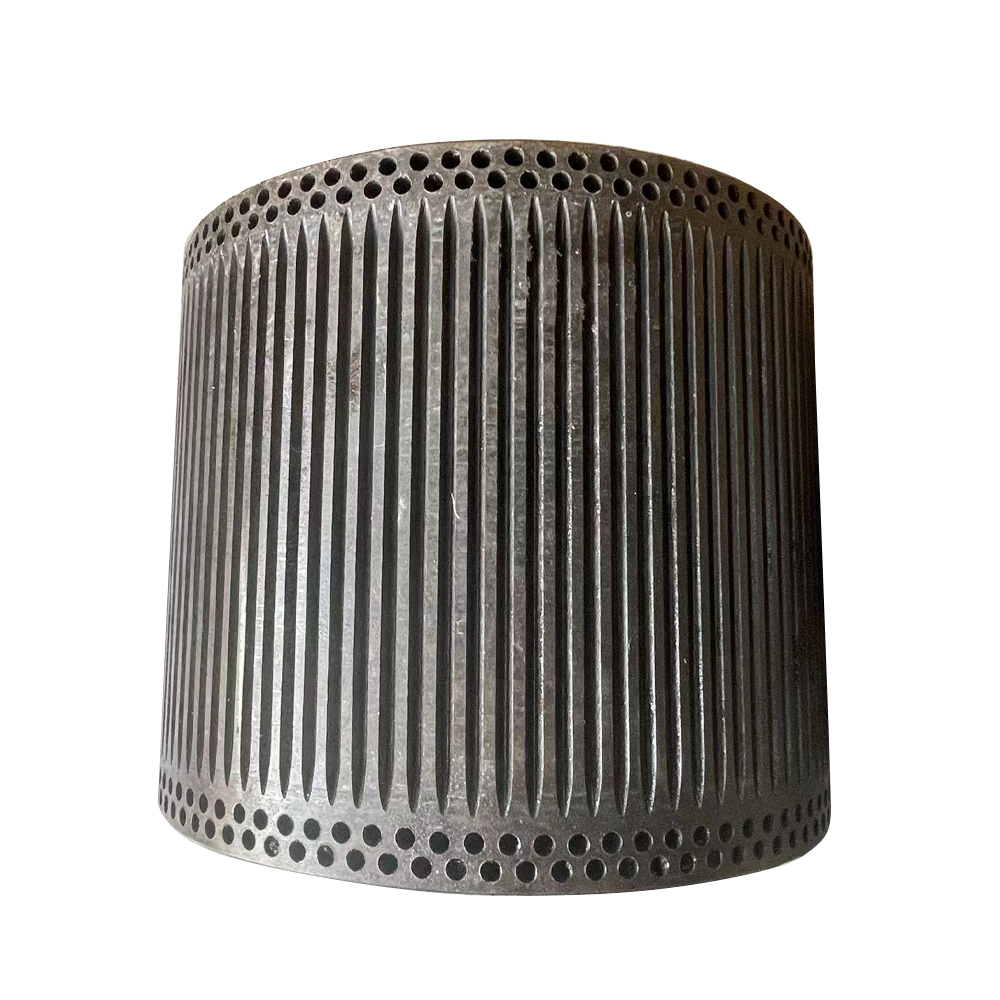
Selecting the appropriate hammermill beater for your industrial grinding operations requires careful consideration of multiple factors that directly impact performance, efficiency, and operational costs. A well-chosen hammermill beater can significantly enhance your material processing capabilities while reducing maintenance requirements and energy consumption. Understanding the fundamental principles behind beater selection empowers operators to make informed decisions that align with their specific production requirements and material characteristics.
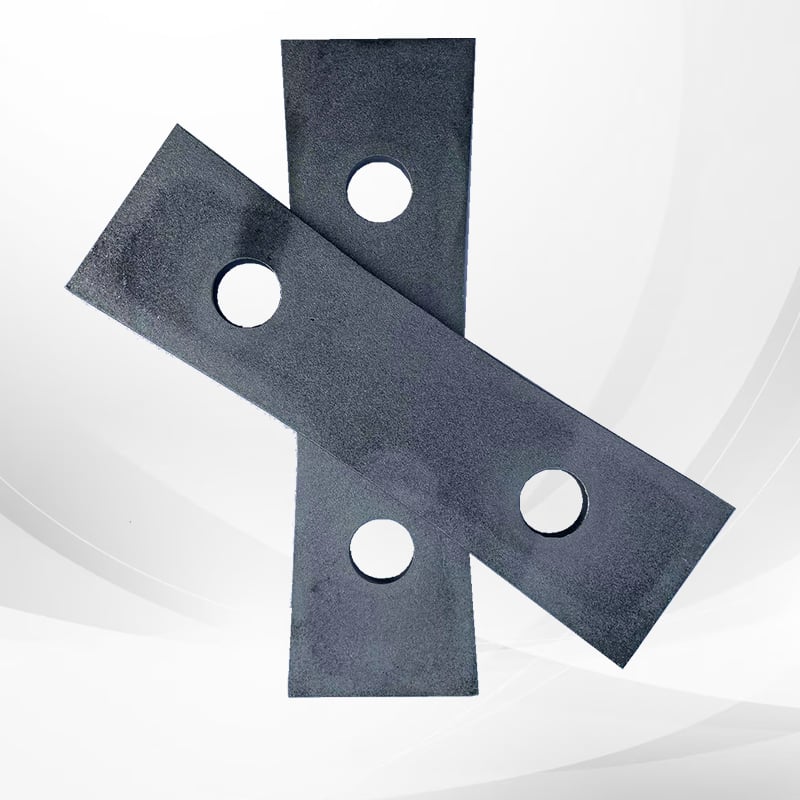
The complexity of modern material processing demands precision in component selection, particularly when dealing with varying feed materials, particle size requirements, and throughput objectives. Industrial hammermills serve diverse applications across multiple sectors, from biomass processing and pharmaceutical manufacturing to food production and recycling operations. Each application presents unique challenges that require specialized beater configurations to achieve optimal results while maintaining equipment longevity and operational safety.
Modern manufacturing facilities increasingly rely on efficient size reduction equipment to meet stringent quality standards and production targets. The hammermill beater serves as the primary contact point between the machine and processed material, making its selection critical for overall system performance. Poor beater selection can result in excessive wear, inconsistent particle size distribution, increased energy consumption, and frequent maintenance interruptions that compromise production schedules and profitability.
Understanding Hammermill Beater Fundamentals
Construction Materials and Metallurgy
The metallurgical composition of hammermill beaters determines their durability, wear resistance, and suitability for specific applications. High-carbon steel beaters offer excellent hardness and impact resistance, making them ideal for processing abrasive materials such as minerals, recycled metals, and construction waste. These beaters typically undergo heat treatment processes that enhance their surface hardness while maintaining core toughness to withstand repetitive impact forces during operation.
Stainless steel beaters provide superior corrosion resistance for food processing, pharmaceutical, and chemical applications where material contamination must be prevented. The non-reactive properties of stainless steel ensure product purity while maintaining structural integrity under demanding operational conditions. Advanced stainless steel alloys incorporate elements such as chromium, molybdenum, and nickel to enhance specific properties including hardness, corrosion resistance, and temperature tolerance.
Composite and specialty alloy beaters address specialized requirements in extreme operating environments. Tungsten carbide-tipped beaters excel in ultra-abrasive applications where conventional materials fail prematurely. These hybrid designs combine the impact resistance of steel backing with the exceptional wear resistance of carbide surfaces, resulting in extended service life and reduced replacement frequency.
Design Geometry and Impact Dynamics
Beater geometry significantly influences material flow patterns, particle size distribution, and energy transfer efficiency within the grinding chamber. Rectangular beaters provide maximum impact surface area and are well-suited for general-purpose applications requiring consistent particle reduction. The flat impact surface delivers uniform force distribution across the material, resulting in predictable fragmentation patterns and relatively narrow particle size distributions.
Curved and streamlined beater profiles optimize airflow dynamics and reduce turbulence within the grinding chamber. These designs minimize energy losses associated with air resistance while maintaining effective material impact. The aerodynamic properties of curved beaters become particularly important in high-speed applications where air velocity and pressure differentials significantly affect material handling characteristics and overall system efficiency.
Perforated and slotted beater designs facilitate material flow and prevent clogging in applications involving fibrous or sticky materials. The strategic placement of holes or slots allows finer particles to pass through while retaining larger fragments for additional processing. This selective retention mechanism helps achieve more uniform particle size distributions while reducing over-processing of materials that have already reached target dimensions.
Material Compatibility and Application Analysis
Abrasive Material Processing
Processing highly abrasive materials requires hammermill beater configurations that prioritize wear resistance and impact durability. Materials such as glass, ceramics, metals, and minerals contain hard particles that can rapidly degrade conventional beater surfaces through abrasive wear mechanisms. High-chromium steel and tungsten carbide beaters demonstrate superior performance in these challenging applications by maintaining sharp edges and consistent impact geometry throughout extended operating periods.
The selection of appropriate beater materials for abrasive applications must balance initial investment costs against operational lifespan and maintenance requirements. While premium materials command higher purchase prices, their extended service life often results in lower total cost of ownership when replacement frequency and downtime costs are considered. Proper material selection can reduce beater replacement intervals from weeks to months, significantly improving production continuity and reducing maintenance labor requirements.
Beater mounting and attachment systems play crucial roles in abrasive material applications where high impact forces and vibrations can cause premature fastener failure. Reinforced mounting designs with multiple attachment points distribute loads more effectively and prevent catastrophic beater loss during operation. Advanced mounting systems incorporate shock-absorbing elements that reduce stress concentrations while maintaining rigid beater positioning for consistent performance.
Soft and Fibrous Material Handling
Soft and fibrous materials present unique challenges that require specialized beater designs to prevent clogging, wrapping, and inefficient size reduction. Materials such as biomass, textiles, paper, and organic waste tend to absorb impact energy through deformation rather than fracture, requiring different processing strategies compared to brittle materials. Beater designs for these applications emphasize cutting and shearing actions rather than pure impact forces.
Sharp-edged beaters with knife-like profiles provide superior cutting performance for fibrous materials by creating localized stress concentrations that promote clean separation. These designs often incorporate hardened cutting edges that maintain sharpness throughout extended operating periods. The geometry of cutting beaters must balance edge retention with impact resistance to handle occasional hard inclusions without damage.
Temperature considerations become critical when processing organic materials that generate heat through friction and compression during size reduction. Excessive temperatures can cause material degradation, equipment damage, and safety hazards. Beater designs that promote efficient heat dissipation through enhanced surface area or cooling channels help maintain acceptable operating temperatures while preserving material quality and equipment integrity.
Performance Optimization and Selection Criteria
Throughput and Capacity Requirements
Achieving optimal throughput requires careful matching of beater characteristics to material properties and system capabilities. Higher rotor speeds generally increase processing capacity but may result in excessive fine generation or equipment wear depending on material characteristics and beater selection. The relationship between rotor speed, beater mass, and impact energy determines the effectiveness of size reduction while influencing power consumption and operational costs.
Beater weight and moment of inertia affect the rotational dynamics of the hammermill rotor and influence power requirements, vibration levels, and wear patterns. Heavier beaters store more kinetic energy between impacts, potentially improving size reduction efficiency for resistant materials. However, increased beater mass also elevates bearing loads, power consumption, and stopping times, requiring careful balance between performance and operational considerations.
The number of beaters per rotor row and their angular spacing determine impact frequency and material residence time within the grinding chamber. Higher beater densities increase impact frequency and can improve size reduction efficiency for materials requiring multiple impacts to achieve target particle sizes. Conversely, reduced beater density may benefit applications involving easily processed materials where excessive impacts could generate unwanted fines or cause product degradation.
Particle Size Control and Distribution
Achieving consistent particle size distribution requires coordination between beater design, screen selection, and operating parameters. The impact characteristics of different beater geometries produce distinct fragmentation patterns that influence the final particle size distribution. Sharp-edged beaters tend to create more uniform particles through clean fracture mechanisms, while blunt beaters may produce broader size distributions through crushing and attrition.
Screen opening size and open area percentage work in conjunction with beater design to control particle retention time and final size distribution. Smaller screen openings retain particles longer for additional processing but may reduce throughput and increase power consumption. The interaction between beater tip speed, screen opening size, and material properties determines the optimal balance between particle size control and production efficiency.
Multi-stage processing configurations utilizing different beater types in sequence can achieve superior particle size control compared to single-stage operations. Initial stages using aggressive beaters perform primary size reduction, while subsequent stages with precision beaters refine particle dimensions and eliminate oversized fragments. This approach optimizes energy utilization while maintaining tight control over final product specifications.
Maintenance and Operational Considerations
Wear Monitoring and Replacement Strategies
Implementing systematic wear monitoring procedures enables proactive beater replacement scheduling that prevents unexpected failures and maintains consistent product quality. Visual inspection techniques identify obvious damage such as cracks, excessive rounding, or complete breakage that requires immediate attention. Dimensional measurements using precision tools track gradual wear progression and enable data-driven replacement decisions based on predetermined wear limits.
Advanced monitoring systems incorporate vibration analysis, power consumption tracking, and particle size analysis to detect subtle changes in beater condition before visual indicators become apparent. Increased vibration levels often indicate uneven beater wear or damage that affects rotor balance. Rising power consumption may signal excessive beater wear that reduces grinding efficiency and requires increased energy input to maintain throughput.
Establishing standardized replacement procedures and inventory management systems ensures minimal downtime during beater changes while maintaining consistent performance standards. Pre-configured beater sets with documented torque specifications and installation procedures reduce changeover time and prevent installation errors that could cause premature failure or safety hazards.
Safety and Operational Best Practices
Safe beater handling and installation procedures protect personnel while ensuring proper equipment operation. Beater inspection protocols must identify potential safety hazards such as cracks, loose attachments, or material defects that could result in catastrophic failure during operation. Proper lifting techniques and specialized handling tools prevent injury during beater removal and installation procedures.
Rotor balancing becomes critical when replacing individual beaters or mixing different beater types on the same rotor. Unbalanced rotors generate excessive vibration that accelerates bearing wear, causes structural damage, and creates safety hazards. Dynamic balancing procedures ensure smooth operation while preventing premature equipment failure and maintaining operator safety.
Lockout and tagout procedures must be strictly followed during beater maintenance to prevent accidental equipment startup that could cause severe injury or death. Comprehensive safety protocols include energy isolation, atmospheric testing for confined spaces, and coordinated communication between maintenance personnel and operators.
Economic Analysis and Total Cost Considerations
Initial Investment versus Operational Costs
Comprehensive cost analysis must consider initial beater purchase price alongside operational factors including replacement frequency, maintenance labor, and production impacts. Premium beater materials typically command higher initial costs but often deliver superior value through extended service life and improved performance consistency. The total cost of ownership calculation should include direct costs such as beater replacement, labor, and downtime alongside indirect costs including energy consumption and product quality variations.
Service life predictions based on material properties, application severity, and historical performance data enable accurate budgeting and procurement planning. Establishing baseline performance metrics for different beater types provides objective data for future selection decisions and helps identify opportunities for process improvement through equipment upgrades or operational modifications.
Volume purchasing agreements and strategic supplier relationships can significantly reduce beater costs while ensuring consistent quality and availability. Long-term partnerships with reputable suppliers provide access to technical support, customization services, and preferential pricing that contribute to operational success and cost optimization.
Performance Metrics and ROI Analysis
Quantitative performance metrics enable objective evaluation of beater selection decisions and identification of optimization opportunities. Key performance indicators include specific energy consumption, throughput per unit time, particle size distribution consistency, and beater service life. Regular monitoring of these metrics provides feedback for continuous improvement initiatives and validates the effectiveness of selection criteria.
Return on investment calculations should incorporate both tangible benefits such as reduced maintenance costs and increased throughput alongside intangible benefits including improved product quality and enhanced operational reliability. Premium beater selections may demonstrate positive ROI through reduced downtime, elimination of product quality issues, or increased production capacity that generates additional revenue.
Comparative analysis between different beater options provides objective data for selection decisions while identifying trade-offs between competing priorities such as cost, performance, and service life. Standardized evaluation criteria ensure consistent decision-making processes while facilitating communication between technical, operational, and financial stakeholders.
FAQ
What factors determine the optimal beater material for specific applications
The optimal beater material depends primarily on the abrasiveness, hardness, and chemical properties of the processed material. High-carbon steel works well for general applications, while stainless steel suits food and pharmaceutical processing. Tungsten carbide provides superior performance for extremely abrasive materials. Consider material compatibility, wear resistance requirements, and regulatory compliance when making selection decisions.
How does beater geometry affect particle size distribution
Beater geometry directly influences fragmentation patterns and particle size outcomes. Sharp-edged beaters create clean fractures resulting in more uniform particles, while blunt beaters produce broader size distributions through crushing action. Curved profiles optimize airflow and reduce energy losses, while perforated designs help prevent clogging in fibrous materials. Match beater geometry to desired particle characteristics and material properties.
What maintenance practices extend beater service life
Regular inspection for wear, cracks, and damage enables proactive replacement before catastrophic failure occurs. Proper rotor balancing prevents excessive vibration that accelerates wear. Maintaining appropriate clearances between beaters and screens optimizes performance while preventing damage. Following manufacturer torque specifications during installation and using genuine replacement parts ensure optimal performance and safety.
How do I calculate the economic benefit of premium beater materials
Calculate total cost of ownership by considering initial purchase price, replacement frequency, maintenance labor costs, and downtime expenses. Premium materials often provide lower total costs through extended service life despite higher initial investment. Include energy consumption, product quality improvements, and increased production capacity when evaluating economic benefits. Document performance metrics to validate selection decisions and guide future purchases.