 EN
EN
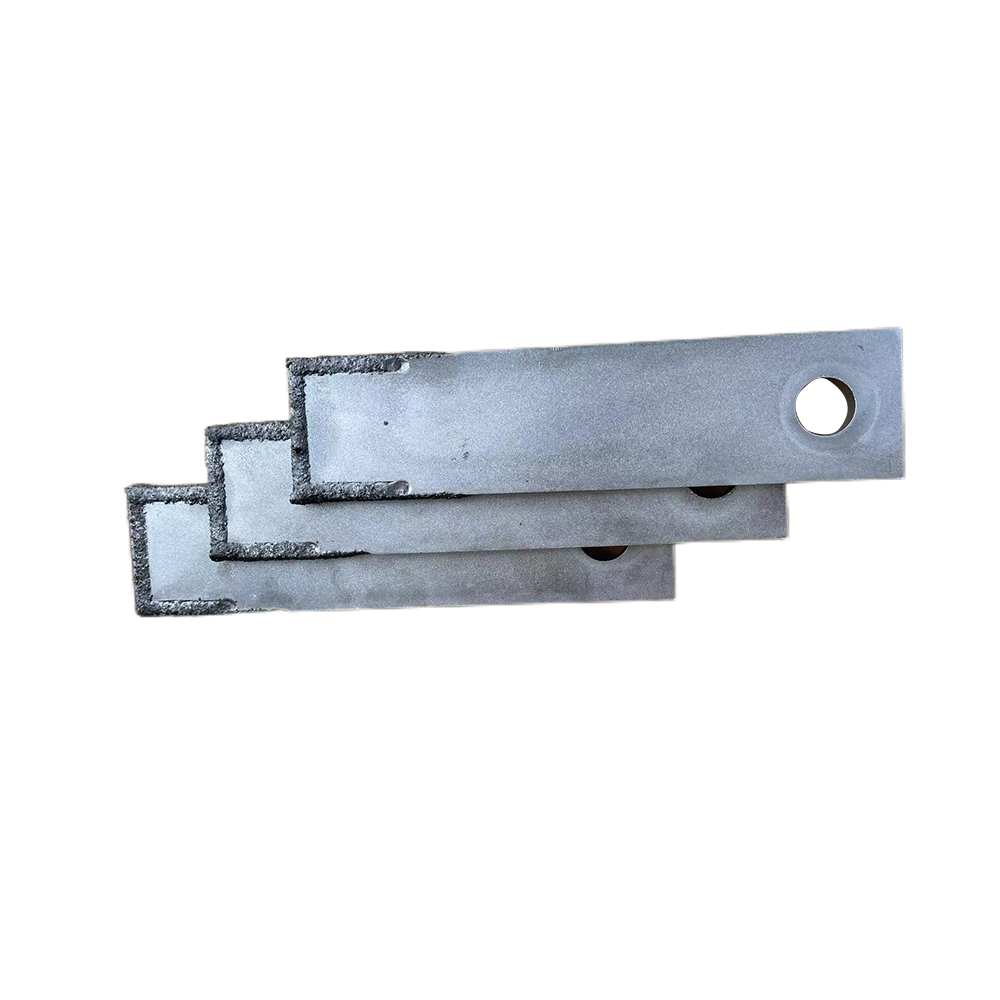
Industrial hammer operations require precision and reliability, making the selection of the right hammer blade a critical decision for manufacturing success. Whether you're involved in material processing, surface preparation, or heavy-duty demolition work, understanding the various types and specifications of hammer blades can significantly impact your operational efficiency and cost-effectiveness. The market offers numerous options, each designed for specific applications and working conditions.
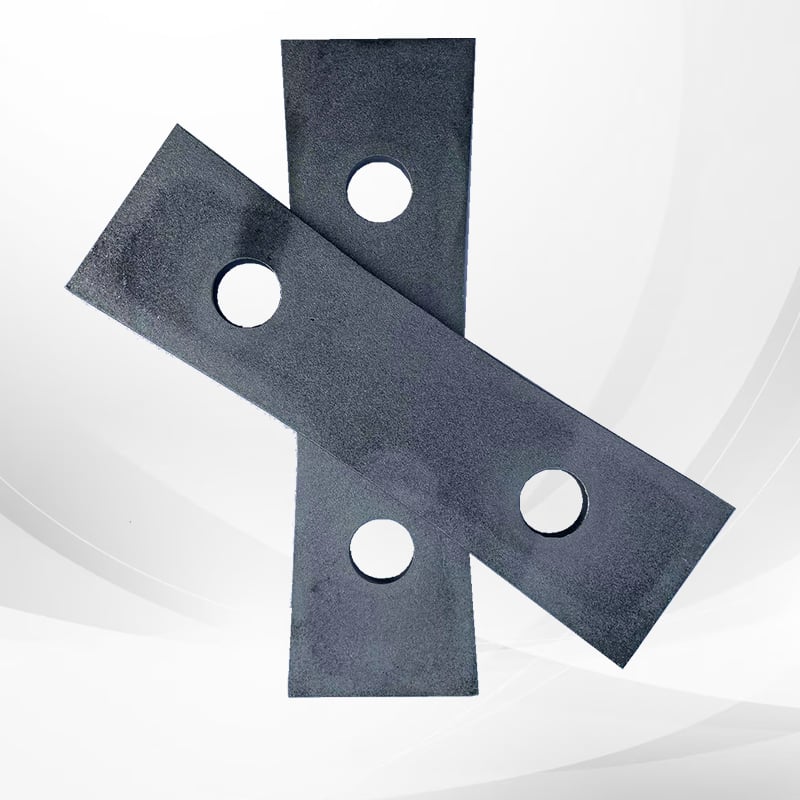
Modern manufacturing environments demand equipment components that deliver consistent performance under extreme conditions. Hammer blade technology has evolved considerably, incorporating advanced materials and engineering techniques to meet increasingly demanding industrial requirements. Today's operators must navigate through multiple blade configurations, each offering distinct advantages for specific operational scenarios.
The selection process involves evaluating multiple factors including material composition, blade geometry, mounting systems, and expected service life. Professional buyers recognize that investing in quality hammer blade solutions directly correlates with reduced downtime, improved productivity, and enhanced safety standards across their operations.
Understanding Hammer Blade Fundamentals
Material Composition and Durability
The foundation of any effective hammer blade lies in its material composition, which determines both performance characteristics and operational lifespan. High-carbon steel remains the most prevalent choice for general-purpose applications, offering excellent hardness properties and resistance to impact stress. This material provides reliable service in moderate-duty applications where cost-effectiveness is prioritized.
Advanced alloy steels incorporate additional elements such as chromium, vanadium, and molybdenum to enhance specific properties. These specialized compositions deliver superior wear resistance and maintain sharp cutting edges longer than conventional steel options. For extreme-duty applications, manufacturers now offer carbide-tipped variants that combine the toughness of steel backing with the exceptional hardness of tungsten carbide cutting surfaces.
Heat treatment processes play a crucial role in optimizing hammer blade performance. Proper tempering and hardening procedures ensure optimal balance between hardness and toughness, preventing premature failure while maintaining effective cutting action throughout the blade's service life.
Geometric Design Considerations
Blade geometry directly influences cutting efficiency, material flow, and overall operational effectiveness. Standard straight-edge designs work well for general material processing, providing predictable cutting action and straightforward maintenance procedures. These configurations offer reliable performance across a wide range of applications without requiring specialized handling techniques.
Curved or serrated edge profiles enhance material grip and cutting action in specific applications. These specialized geometries excel in fibrous materials or situations requiring aggressive material breakdown. The increased surface area and varied cutting angles provide improved performance in challenging material conditions.
Blade thickness and cross-sectional design affect both structural integrity and cutting characteristics. Thicker profiles provide enhanced durability for heavy-duty operations, while thinner designs offer improved cutting efficiency in lighter applications. The optimal balance depends on specific operational requirements and expected service conditions.
Mounting System Categories
Bolt-On Mounting Solutions
Traditional bolt-on mounting systems provide secure attachment through conventional fastener assemblies. These configurations offer excellent reliability and simplified maintenance procedures, making them suitable for applications where frequent blade changes are not required. The robust connection ensures consistent blade positioning throughout the operating cycle.
Standard bolt patterns accommodate various blade sizes and configurations within the same mounting framework. This standardization simplifies inventory management and allows operators to switch between different blade types without requiring specialized mounting hardware. Quality bolt-on systems incorporate hardened fasteners and precise machining to ensure long-term reliability.
Installation procedures for bolt-on systems require attention to torque specifications and proper fastener preparation. Following manufacturer guidelines ensures optimal clamping force and prevents loosening during operation. Regular inspection schedules should verify fastener integrity and blade positioning accuracy.
Quick-Change Mechanisms
Advanced quick-change systems dramatically reduce blade replacement time while maintaining secure attachment standards. These mechanisms typically employ cam-lock or spring-loaded retention systems that eliminate the need for conventional tools during blade changes. The improved efficiency directly translates to reduced downtime and enhanced operational productivity.
Safety features integrated into modern quick-change systems prevent accidental blade release during operation. Multiple locking mechanisms and visual confirmation systems ensure proper engagement before equipment startup. These safety enhancements address operator concerns while maintaining the convenience advantages of rapid blade changes.
Compatibility considerations become important when upgrading to quick-change systems. Existing equipment may require modification or adapter hardware to accommodate new mounting mechanisms. Evaluating long-term benefits against initial conversion costs helps determine the most appropriate approach for specific operations.
Application-Specific Blade Types
Heavy-Duty Industrial Applications
Industrial processing environments demand hammer blade solutions capable of handling extreme operating conditions. Heavy-duty blade designs incorporate reinforced construction and premium materials to withstand continuous high-impact operations. These specialized components maintain performance standards even under severe stress conditions typical in primary processing applications.
Wear-resistant coatings and surface treatments extend service life in abrasive environments. Advanced thermal spray processes apply hardface materials to critical wear areas, significantly improving durability without compromising blade geometry. These treatments prove particularly valuable in applications involving hard or abrasive materials.
Quality assurance standards for heavy-duty applications require comprehensive testing and documentation. Manufacturers typically provide material certificates, hardness verification, and dimensional compliance reports for critical applications. This documentation supports quality control procedures and helps establish maintenance schedules based on actual performance data.
Precision Processing Requirements
Precision applications require hammer blade specifications that prioritize dimensional accuracy and consistent cutting performance. These specialized blades undergo enhanced manufacturing processes including precision grinding and quality inspection procedures. The resulting components deliver predictable performance characteristics essential for maintaining product quality standards.
Surface finish specifications become critical in precision applications where processed materials require specific texture characteristics. Specialized grinding and finishing procedures create blade surfaces that impart desired properties to processed materials. Quality control measures verify surface parameters throughout the manufacturing process.
Tolerance requirements for precision hammer blade applications typically exceed standard industrial specifications. Advanced manufacturing techniques and inspection procedures ensure dimensional compliance within tight tolerance bands. This precision directly contributes to consistent processing results and reduced variability in finished products.
Selection Criteria and Evaluation
Performance Requirements Assessment
Effective blade selection begins with comprehensive evaluation of operational requirements including material types, processing volumes, and expected service conditions. Understanding these parameters enables selection of blade specifications that optimize performance while controlling operational costs. Detailed application analysis prevents over-specification or inadequate component selection.
Service life expectations significantly influence blade selection decisions and long-term operational costs. Higher-grade materials and specialized treatments command premium pricing but often deliver superior cost-per-hour performance through extended service intervals. Economic analysis should consider total ownership costs rather than initial purchase price alone.
Compatibility requirements with existing equipment limit available options and may influence selection criteria. Dimensional constraints, mounting configurations, and operational parameters must align with blade specifications to ensure proper function. Detailed equipment documentation helps verify compatibility before procurement decisions.
Quality and Reliability Factors
Manufacturer reputation and quality standards provide important indicators of expected blade performance and reliability. Established suppliers typically maintain consistent quality control procedures and offer comprehensive technical support throughout the product lifecycle. These factors contribute significantly to operational success and problem resolution capabilities.
Certification and compliance documentation verify that hammer blade products meet relevant industry standards and safety requirements. Quality manufacturers provide comprehensive documentation including material certifications, dimensional reports, and performance test results. This documentation supports procurement procedures and quality assurance requirements.
Warranty terms and technical support availability influence long-term ownership experience and operational confidence. Comprehensive warranty coverage demonstrates manufacturer confidence in product quality while technical support services assist with application optimization and problem resolution. These services add significant value beyond the physical product itself.
Installation and Maintenance Best Practices
Proper Installation Procedures
Correct installation procedures are essential for achieving optimal hammer blade performance and service life. Following manufacturer specifications for mounting torques, clearances, and alignment ensures proper blade function and prevents premature failure. Installation documentation should be maintained for reference during maintenance activities and warranty claims.
Pre-installation inspection procedures verify blade condition and dimensional compliance before mounting. Visual examination identifies any shipping damage or manufacturing defects that could affect performance. Dimensional verification ensures compatibility with mounting hardware and operational clearances.
Safety procedures during installation protect personnel and equipment while ensuring proper blade mounting. Lockout procedures, proper lifting techniques, and personal protective equipment requirements should be established and followed consistently. Training programs ensure installation personnel understand proper procedures and safety requirements.
Maintenance and Monitoring Strategies
Regular inspection schedules help identify wear patterns and potential issues before they impact operations. Systematic documentation of blade condition, wear measurements, and performance observations enables predictive maintenance planning and optimization of replacement schedules. This proactive approach minimizes unexpected downtime and maintains consistent processing quality.
Wear pattern analysis provides valuable insights into operational conditions and potential optimization opportunities. Unusual wear patterns may indicate alignment issues, improper operating parameters, or material variations that could be addressed through operational adjustments. Understanding these patterns helps optimize both blade performance and overall equipment efficiency.
Preventive maintenance procedures extend blade service life and maintain consistent performance throughout the operational cycle. Regular cleaning, inspection, and minor adjustments prevent small issues from developing into major problems. Documented maintenance procedures ensure consistency and provide historical data for performance analysis.
Economic Considerations and Cost Analysis
Total Cost of Ownership Evaluation
Understanding the complete economic picture requires analysis beyond initial purchase price to include installation costs, operational efficiency, maintenance requirements, and disposal considerations. Premium hammer blade options often justify higher initial costs through improved performance, extended service life, and reduced maintenance requirements. This comprehensive approach enables more informed procurement decisions.
Productivity impact assessments quantify how blade performance affects overall operational efficiency and output quality. Higher-performance blades may enable increased processing speeds, improved product quality, or reduced secondary processing requirements. These operational benefits often provide significant economic value that exceeds initial cost premiums.
Inventory management considerations include stocking strategies, shelf life limitations, and spare parts availability. Balancing inventory investment against operational continuity requirements helps optimize working capital while ensuring adequate component availability. Strategic partnerships with suppliers can help optimize inventory levels while maintaining supply security.
Return on Investment Analysis
Quantifying return on investment requires careful analysis of performance improvements, cost savings, and operational benefits achieved through optimal blade selection. Improved blade performance may reduce energy consumption, increase throughput, or improve product quality metrics. These improvements directly contribute to operational profitability and competitive advantage.
Payback period calculations help justify premium blade investments by demonstrating when operational savings recover additional initial costs. Shorter payback periods indicate more attractive investment opportunities and support procurement decisions for higher-grade components. These analyses provide objective criteria for comparing alternative blade options.
Long-term economic benefits extend beyond immediate operational improvements to include reduced maintenance costs, improved safety performance, and enhanced equipment reliability. These factors contribute to sustained competitive advantage and operational excellence over extended periods. Strategic procurement decisions consider these long-term benefits alongside immediate cost considerations.
FAQ
What factors determine optimal hammer blade service life
Service life depends on multiple factors including material composition, operating conditions, maintenance practices, and application requirements. High-quality materials and proper heat treatment significantly extend operational life, while harsh operating conditions and abrasive materials reduce service intervals. Regular maintenance and proper installation procedures help achieve maximum service life from quality blade products.
How do I select the right mounting system for my application
Mounting system selection depends on blade change frequency requirements, available maintenance time, and operational safety considerations. Quick-change systems offer convenience for frequent blade changes but require compatible equipment modifications. Traditional bolt-on systems provide maximum security and reliability for long-service applications where frequent changes are not required.
What quality certifications should I look for in hammer blade suppliers
Look for suppliers with ISO 9001 quality management certification, relevant industry-specific certifications, and comprehensive material testing capabilities. Quality manufacturers provide material certificates, dimensional compliance reports, and performance documentation. Third-party testing verification and established warranty programs indicate supplier confidence in product quality and performance.
How can I optimize hammer blade performance in my specific application
Performance optimization requires careful analysis of operating parameters, material characteristics, and processing objectives. Work with experienced suppliers to evaluate blade specifications, mounting configurations, and operational procedures. Regular performance monitoring and wear pattern analysis help identify optimization opportunities and ensure continued peak performance throughout the service life.