 EN
EN
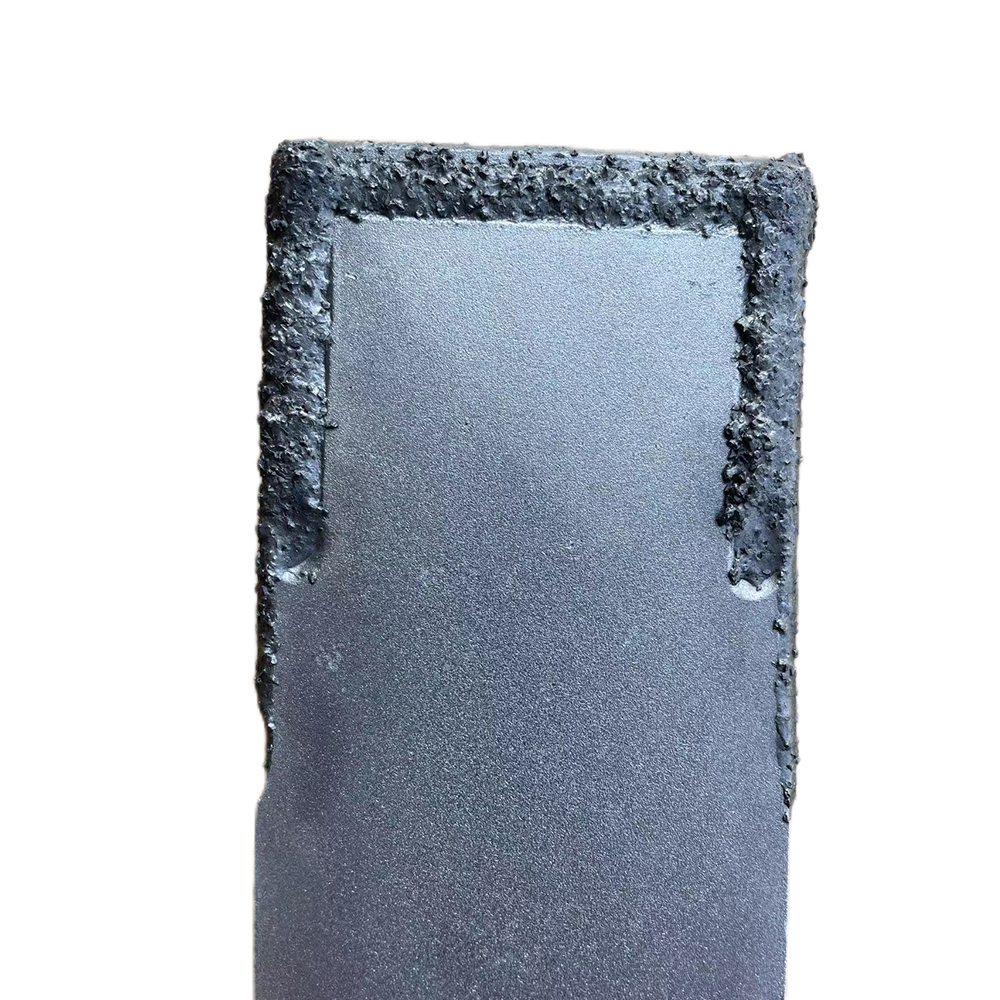
Proper maintenance of industrial equipment components is crucial for operational efficiency and cost-effectiveness in manufacturing environments. The hammer blade represents one of the most critical wearing parts in crushing and grinding operations, requiring systematic care to maximize performance and service life. Understanding the fundamentals of hammer blade maintenance can significantly impact your equipment's productivity while reducing unexpected downtime and replacement costs.
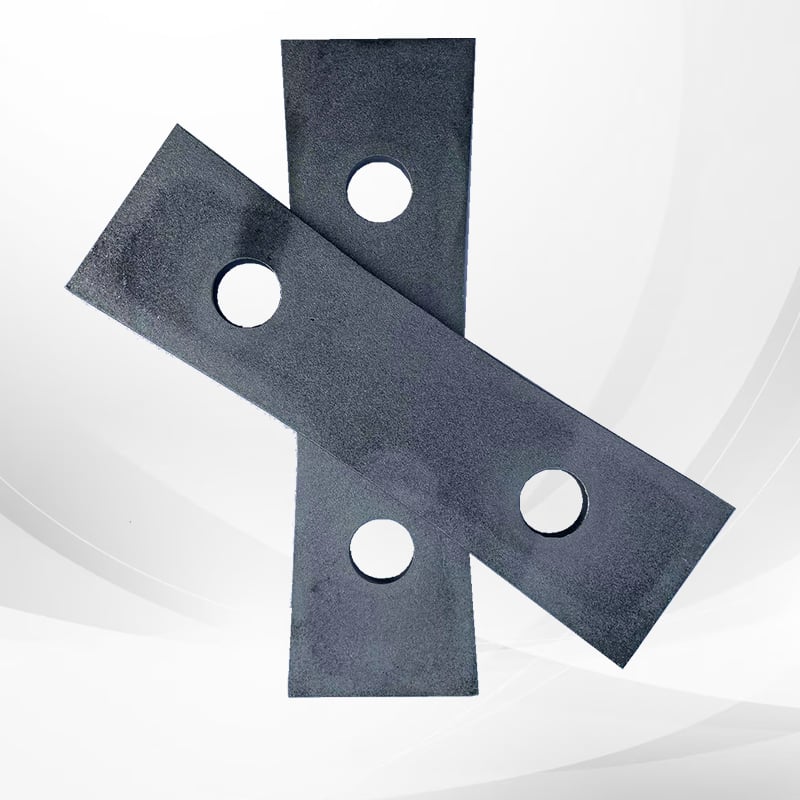
Understanding Hammer Blade Design and Function
Material Composition and Wear Patterns
Modern hammer blade construction typically involves high-chromium cast iron or manganese steel alloys designed to withstand extreme impact forces and abrasive conditions. The material selection directly influences wear patterns and maintenance requirements throughout the component's operational lifecycle. Understanding these metallurgical properties enables maintenance teams to predict wear progression and schedule preventive interventions effectively.
The geometry of hammer blade surfaces plays a crucial role in material flow and impact distribution during crushing operations. Smooth plate designs offer consistent material contact while specialized configurations may incorporate textured surfaces or aerodynamic features to enhance performance. Regular inspection of surface conditions reveals valuable insights into operational parameters and potential optimization opportunities.
Impact Forces and Stress Distribution
During operation, hammer blade components experience complex stress patterns resulting from high-velocity impacts with various materials. These forces create localized wear zones that require careful monitoring to prevent catastrophic failure. Engineering analysis of stress distribution patterns helps identify critical wear points and optimize maintenance scheduling.
The relationship between rotational speed, material hardness, and impact frequency directly affects hammer blade longevity and performance characteristics. Proper understanding of these interactions enables operators to adjust operational parameters to minimize excessive wear while maintaining target production rates. Documentation of operational conditions alongside wear measurements provides valuable data for continuous improvement initiatives.
Preventive Maintenance Strategies
Regular Inspection Protocols
Establishing systematic inspection routines forms the foundation of effective hammer blade maintenance programs. Visual examinations should focus on identifying crack formation, excessive wear, and material loss patterns that indicate potential failure modes. Dimensional measurements using precision instruments provide quantitative data to track wear progression over time.
Documentation of inspection findings creates a historical database that enables trend analysis and predictive maintenance planning. Digital photography of hammer blade conditions at regular intervals supports visual trend analysis and facilitates communication between maintenance teams and equipment manufacturers. This comprehensive approach to inspection data management significantly improves maintenance decision-making accuracy.
Cleaning and Surface Preparation
Proper cleaning procedures remove accumulated debris and contamination that can accelerate wear processes and mask developing issues. High-pressure water systems effectively remove most material buildup while specialized solvents may be required for stubborn deposits or chemical contamination. Thorough cleaning enables accurate assessment of actual component condition and reveals surface defects that might otherwise remain hidden.
Surface preparation techniques prior to maintenance activities ensure optimal results from repair or refurbishment procedures. Grinding and machining operations restore proper dimensions while removing damaged material and stress concentrations. Professional surface preparation significantly extends the effective service life of repaired hammer blade components.
Troubleshooting Common Issues
Excessive Wear Identification
Recognizing the early signs of excessive hammer blade wear enables proactive intervention before complete failure occurs. Unusual vibration patterns, changes in particle size distribution, and increased power consumption often indicate developing wear issues. Systematic monitoring of these operational parameters provides early warning of component degradation.
Comparative analysis of wear rates between different hammer blade positions reveals insights into material flow patterns and impact distribution within the crushing chamber. This analysis supports optimization of operational parameters and component placement strategies to achieve more uniform wear distribution and extended service intervals.
Performance Optimization Techniques
Fine-tuning operational parameters based on hammer blade condition assessment maximizes equipment performance while minimizing unnecessary wear. Adjustments to feed rate, rotor speed, and chamber configuration can significantly influence wear patterns and component longevity. Systematic testing of different parameter combinations identifies optimal settings for specific applications and materials.
Implementation of wear-resistant coatings or surface treatments extends hammer blade service life in particularly demanding applications. These advanced technologies require specialized application procedures and may necessitate modifications to existing maintenance protocols. Professional evaluation of coating options ensures compatibility with existing equipment and operational requirements.
Advanced Maintenance Techniques
Precision Measurement Methods
Modern measurement technologies enable highly accurate assessment of hammer blade wear progression and remaining service life. Laser scanning systems create detailed three-dimensional models of component geometry while ultrasonic testing reveals internal defects and material degradation. These advanced diagnostic techniques support data-driven maintenance decisions and optimize replacement timing.
Integration of measurement data with computerized maintenance management systems facilitates automated wear tracking and predictive analytics. Machine learning algorithms can identify subtle patterns in wear data that indicate impending failure modes or opportunities for operational optimization. This sophisticated approach to maintenance management significantly improves equipment reliability and reduces maintenance costs.
Reconditioning and Refurbishment
Professional reconditioning services can restore worn hammer blade components to near-original performance specifications at a fraction of replacement cost. Specialized welding techniques rebuild worn surfaces while precision machining restores critical dimensions and surface finishes. Quality reconditioning programs include comprehensive testing and certification to ensure restored components meet original performance standards.
Economic analysis of reconditioning versus replacement decisions considers multiple factors including component wear patterns, material costs, and operational requirements. Systematic evaluation of reconditioning options maximizes return on investment while maintaining equipment reliability and performance standards. Professional consultation ensures optimal decision-making for specific operational contexts.
Safety Considerations
Personal Protective Equipment
Maintenance activities involving hammer blade components require comprehensive personal protective equipment to ensure worker safety during inspection and servicing procedures. Eye protection, respiratory equipment, and cut-resistant gloves provide essential protection against flying debris and sharp edges. Proper safety protocols must be strictly enforced during all maintenance operations.
Lockout-tagout procedures prevent accidental equipment startup during maintenance activities and protect personnel from mechanical hazards. Comprehensive safety training ensures maintenance teams understand proper procedures and potential hazards associated with hammer blade maintenance. Regular safety audits verify compliance with established protocols and identify opportunities for improvement.
Environmental Considerations
Proper disposal of worn hammer blade components requires compliance with environmental regulations and waste management protocols. Metal recycling programs maximize material recovery while minimizing environmental impact of component replacement activities. Coordination with certified waste management contractors ensures proper handling of potentially hazardous materials.
Cleaning solutions and surface preparation chemicals require careful handling and disposal according to applicable environmental regulations. Containment systems prevent contamination of surrounding areas while proper ventilation protects workers from chemical exposure. Environmental compliance monitoring ensures maintenance activities meet regulatory requirements and corporate sustainability objectives.
Cost-Effective Maintenance Planning
Inventory Management Strategies
Strategic inventory management of hammer blade components balances availability requirements with carrying costs to optimize total cost of ownership. Statistical analysis of failure patterns and lead times supports accurate forecasting of replacement part requirements. Just-in-time delivery arrangements with qualified suppliers reduce inventory investment while ensuring component availability when needed.
Standardization of hammer blade specifications across multiple equipment units simplifies inventory management and reduces total part count requirements. Cross-compatibility analysis identifies opportunities to consolidate part numbers while maintaining performance standards. Strategic partnerships with component manufacturers provide access to technical support and favorable pricing arrangements.
Maintenance Scheduling Optimization
Condition-based maintenance scheduling maximizes hammer blade service life while minimizing unplanned downtime and emergency repairs. Integration of wear monitoring data with production schedules enables optimal timing of maintenance activities. Predictive analytics support accurate forecasting of maintenance requirements and resource allocation planning.
Coordination of hammer blade maintenance with other scheduled maintenance activities maximizes equipment availability and reduces overall maintenance costs. Strategic planning of maintenance windows considers production requirements, labor availability, and component lead times. Comprehensive maintenance planning significantly improves overall equipment effectiveness and operational profitability.
FAQ
How often should hammer blade components be inspected for wear?
Inspection frequency depends on operational conditions and material characteristics, but generally ranges from weekly visual checks to monthly detailed measurements. High-abrasion applications may require daily monitoring while less demanding operations can extend inspection intervals. Establishing baseline wear rates through initial monitoring helps determine optimal inspection schedules for specific applications.
What are the most common signs of hammer blade failure?
Common failure indicators include excessive vibration, changes in particle size distribution, increased power consumption, and visible cracking or material loss. Unusual noise patterns and temperature increases may also signal developing problems. Early recognition of these symptoms enables proactive maintenance intervention before complete component failure occurs.
Can worn hammer blade components be reconditioned rather than replaced?
Many hammer blade components can be successfully reconditioned through professional welding and machining services, potentially saving 40-60% compared to replacement costs. The decision depends on the extent of wear, material condition, and economic considerations. Professional evaluation determines feasibility and cost-effectiveness of reconditioning for specific components.
What factors influence hammer blade wear rates most significantly?
Material hardness, feed rate, rotor speed, and chamber configuration represent the primary factors affecting wear rates. Environmental conditions such as moisture content and contamination levels also play significant roles. Optimizing these parameters through systematic testing and monitoring can substantially extend component service life while maintaining production requirements.