 EN
EN
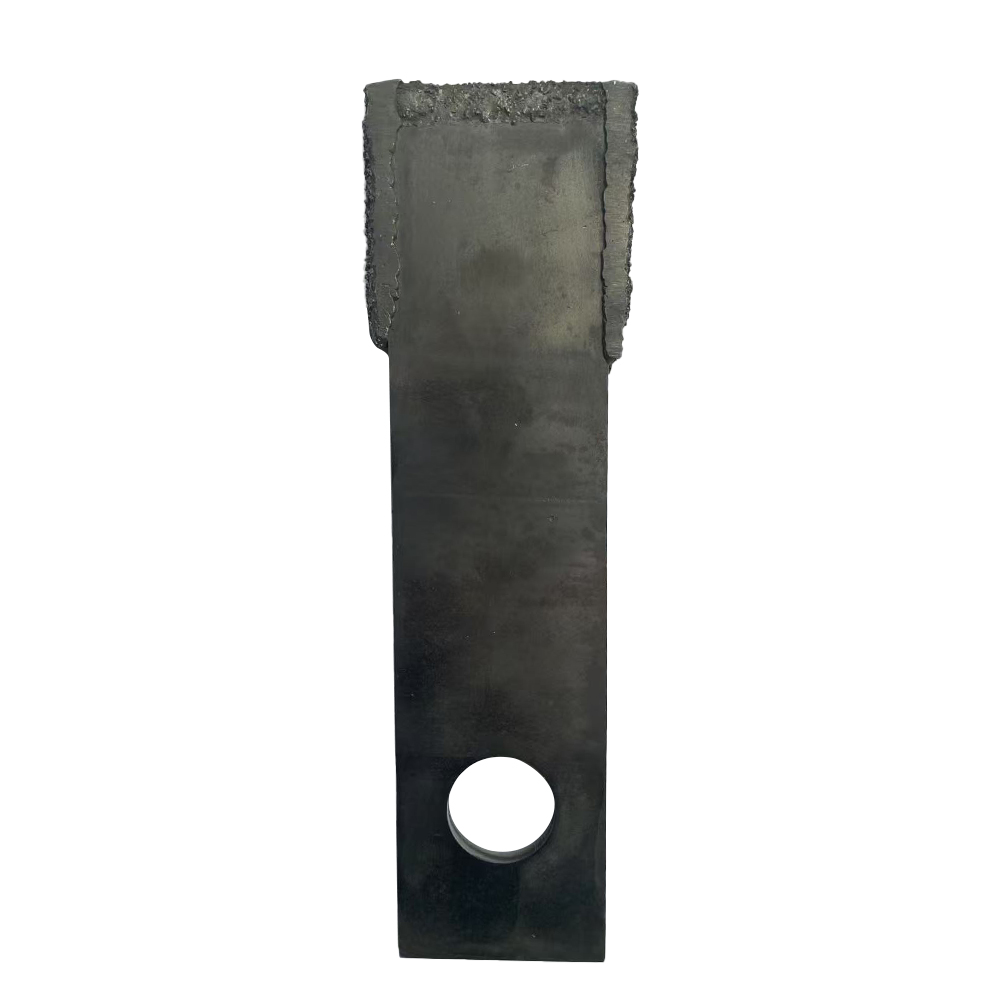
In the world of industrial milling and crushing operations, choosing the right equipment can significantly impact production efficiency, operational costs, and final product quality. Two prominent technologies dominate the market: hammer beaters and roller mills. Each system offers distinct advantages depending on the specific application, material characteristics, and production requirements. Understanding the fundamental differences between these crushing mechanisms is essential for making informed equipment decisions that align with your operational goals and budget constraints.
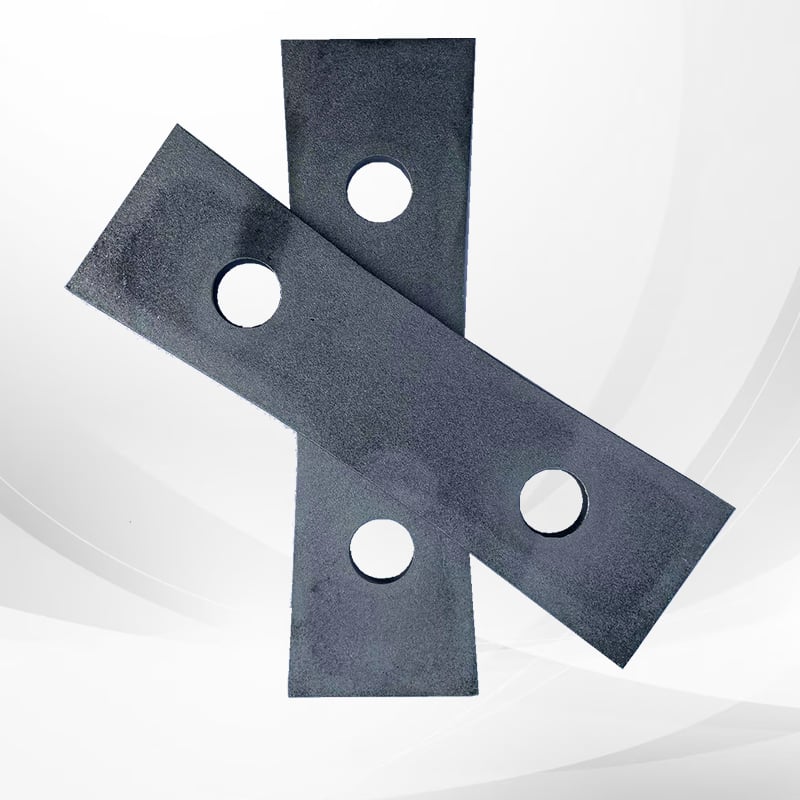
Understanding Hammer Beater Technology
Design Principles and Operating Mechanism
The hammer beater operates on a relatively straightforward impact crushing principle that has proven effective across numerous industrial applications. The system consists of a rotating shaft equipped with multiple hammers or beaters that strike the material repeatedly until it reaches the desired particle size. This high-energy impact mechanism creates fractures throughout the material structure, breaking it down into smaller pieces through repeated collisions with the hammer elements and the crushing chamber walls.
Modern hammer beater designs incorporate advanced materials and engineering improvements that enhance durability and performance. The hammers themselves are typically manufactured from hardened steel alloys or wear-resistant materials that can withstand the constant impact forces generated during operation. The crushing chamber geometry is carefully designed to optimize material flow patterns and ensure consistent particle size distribution throughout the processing cycle.
Material Processing Capabilities
Hammer beater systems excel in processing a wide range of materials with varying hardness levels and moisture content. These machines demonstrate particular effectiveness when handling brittle materials such as limestone, coal, gypsum, and various types of biomass. The impact crushing action is especially well-suited for materials that tend to fracture along natural grain boundaries, resulting in efficient size reduction with minimal energy consumption per unit of processed material.
The versatility of hammer beater technology extends to its ability to handle materials with different physical characteristics simultaneously. This adaptability makes it an attractive option for operations that process mixed feed streams or require frequent material changes. The adjustable hammer configuration and variable rotor speeds allow operators to fine-tune the crushing process to accommodate different material properties and achieve specific particle size distributions.
Roller Mill Technology Overview
Compression-Based Crushing Mechanism
Roller mills operate fundamentally differently from hammer beaters, utilizing compression and shearing forces rather than impact energy to achieve size reduction. The system typically consists of two or more cylindrical rollers that rotate in opposite directions, creating a crushing zone where material is compressed and ground between the roller surfaces. This compression-based approach generates less noise and vibration compared to impact crushing methods while providing excellent control over particle size distribution.
The roller mill design allows for precise gap adjustment between the crushing surfaces, enabling operators to achieve consistent particle sizes with minimal over-crushing or under-crushing. The gradual compression process tends to produce more uniform particle shapes and sizes, which can be particularly important for applications requiring specific particle characteristics for downstream processing or final product specifications.
Efficiency and Energy Considerations
Energy efficiency represents one of the primary advantages of roller mill technology, particularly when processing harder materials or achieving fine particle sizes. The compression crushing mechanism typically requires less energy input per unit of material processed compared to impact-based systems. This efficiency advantage becomes more pronounced as the desired fineness increases, making roller mills particularly attractive for applications requiring very fine grinding or high-precision particle size control.
The controlled crushing environment within roller mills also contributes to reduced wear rates on critical components. The gradual compression process generates less shock loading on mechanical components compared to the high-impact forces experienced in hammer beater systems. This characteristic often translates to longer maintenance intervals and reduced replacement part costs over the equipment lifecycle.
Performance Comparison Analysis
Processing Capacity and Throughput
When evaluating processing capacity, hammer beater systems generally demonstrate superior throughput rates for coarse and medium crushing applications. The high-energy impact crushing action can process large volumes of material quickly, making these systems particularly suitable for high-capacity operations where rapid size reduction is prioritized over ultra-fine particle control. The ability to handle varying feed sizes and material types simultaneously further enhances the practical throughput advantages of hammer beater technology.
Roller mills, while typically operating at lower throughput rates, excel in applications requiring consistent particle size distribution and minimal fines generation. The controlled compression environment allows for more precise particle size control, which can eliminate the need for secondary screening or classification equipment in certain applications. This precision can effectively increase overall system efficiency despite potentially lower raw throughput numbers.
Maintenance Requirements and Operational Costs
Maintenance considerations play a crucial role in the total cost of ownership for both crushing technologies. A hammer beater typically requires more frequent maintenance due to the high-impact nature of the crushing process. Hammer replacement, liner maintenance, and bearing service intervals are generally shorter compared to roller mill systems. However, the modular design of most hammer beater systems often allows for quicker maintenance procedures and component replacement.
Roller mill maintenance focuses primarily on roller surface condition, bearing maintenance, and hydraulic system service. While maintenance intervals may be longer, the procedures can be more complex and time-consuming when major service is required. The precision engineering required for proper roller gap maintenance and alignment demands skilled technicians and specialized equipment, which can impact maintenance costs and scheduling flexibility.
Application-Specific Considerations
Material Characteristics and Suitability
Material properties significantly influence the optimal choice between hammer beater and roller mill technologies. Hammer beater systems perform exceptionally well with brittle, low-abrasiveness materials that fracture easily under impact forces. Coal preparation, limestone processing, and biomass grinding represent ideal applications for hammer beater technology. The ability to handle materials with higher moisture content also makes hammer beaters suitable for certain agricultural and organic waste processing applications.
Roller mills demonstrate superior performance when processing harder, more abrasive materials that benefit from gradual compression crushing. Cement clinker grinding, mineral processing, and hard rock crushing applications often favor roller mill technology. The controlled crushing environment also makes roller mills preferable for materials that require specific particle shape characteristics or minimal contamination from wear metals.
Environmental and Safety Factors
Environmental considerations increasingly influence equipment selection decisions in modern industrial operations. Hammer beater systems typically generate higher noise levels and more dust compared to roller mills, potentially requiring additional environmental control measures. The high-impact crushing action can also produce more airborne particles, necessitating enhanced dust collection and filtration systems to meet environmental compliance requirements.
Roller mill operations generally produce lower noise emissions and generate less airborne dust due to the controlled compression crushing environment. The enclosed crushing zone and lower operating speeds contribute to reduced environmental impact, making roller mills attractive options for operations in noise-sensitive areas or facilities with stringent dust control requirements.
Economic Analysis and Return on Investment
Initial Capital Investment Considerations
Initial equipment costs vary significantly between hammer beater and roller mill technologies, with multiple factors influencing the total capital investment required. Hammer beater systems typically require lower initial capital investment, particularly for smaller to medium-capacity installations. The relatively simple mechanical design and fewer precision-engineered components contribute to lower manufacturing costs and reduced installation complexity.
Roller mill systems generally command higher initial investment due to the precision engineering required for optimal performance. The hydraulic systems, advanced control technology, and precision-manufactured rollers contribute to higher equipment costs. However, this initial investment may be offset by lower operational costs and longer equipment life in suitable applications.
Long-term Operating Economics
Long-term economic performance depends heavily on the specific application and operational requirements. Hammer beater systems may offer superior economics in high-volume, coarse crushing applications where rapid processing is prioritized. The lower initial investment and higher throughput capacity can result in attractive payback periods for appropriate applications.
Roller mill economics become more favorable in applications requiring fine grinding, consistent particle size control, or processing of harder materials. The energy efficiency advantages and reduced maintenance requirements can offset higher initial costs over the equipment lifecycle. Additionally, the precision particle size control may eliminate downstream processing steps, further improving overall system economics.
Future Technology Trends and Innovations
Automation and Digital Integration
Both hammer beater and roller mill technologies are benefiting from advances in automation and digital monitoring systems. Modern hammer beater installations increasingly incorporate vibration monitoring, wear prediction algorithms, and automated hammer adjustment systems that optimize performance and extend component life. These digital enhancements help address traditional maintenance challenges while improving operational efficiency.
Roller mill technology is advancing through sophisticated pressure control systems, automated gap adjustment mechanisms, and predictive maintenance capabilities. Machine learning algorithms are being integrated to optimize crushing parameters based on material characteristics and desired output specifications. These technological improvements are enhancing the precision and efficiency advantages that make roller mills attractive for demanding applications.
Material Science and Component Development
Ongoing developments in materials science continue to improve the performance and longevity of both crushing technologies. Advanced wear-resistant alloys and coating technologies are extending hammer life in hammer beater systems while reducing maintenance frequency. Similarly, roller mill technology benefits from improved roller surface materials and treatments that enhance crushing efficiency and extend service life.
Hybrid approaches combining elements of both technologies are emerging as manufacturers seek to optimize performance for specific applications. These innovative designs attempt to capture the throughput advantages of hammer beater systems while incorporating the precision control characteristics of roller mill technology.
FAQ
Which crushing technology offers better energy efficiency for fine grinding applications
Roller mills typically demonstrate superior energy efficiency for fine grinding applications due to their compression-based crushing mechanism. The gradual compression process requires less energy input per unit of material processed compared to the high-impact forces used in hammer beater systems, particularly when achieving very fine particle sizes.
How do maintenance costs compare between hammer beater and roller mill systems
Hammer beater systems generally require more frequent maintenance due to the high-impact crushing process, but maintenance procedures are typically simpler and quicker to perform. Roller mills may have longer maintenance intervals but require more specialized skills and equipment for major service procedures, potentially resulting in higher individual maintenance costs.
What material characteristics favor hammer beater technology over roller mills
Hammer beater systems excel when processing brittle, low-abrasiveness materials such as coal, limestone, biomass, and organic materials. They also handle materials with higher moisture content better than roller mills and are particularly effective for applications requiring rapid size reduction without ultra-fine particle control requirements.
Can both technologies handle varying feed sizes and material types simultaneously
Hammer beater systems demonstrate superior flexibility in handling varying feed sizes and mixed material types simultaneously due to their impact-based crushing mechanism. Roller mills are more sensitive to feed size consistency and material characteristics, typically requiring more uniform feed conditions for optimal performance and particle size control.
Table of Contents
- Understanding Hammer Beater Technology
- Roller Mill Technology Overview
- Performance Comparison Analysis
- Application-Specific Considerations
- Economic Analysis and Return on Investment
- Future Technology Trends and Innovations
-
FAQ
- Which crushing technology offers better energy efficiency for fine grinding applications
- How do maintenance costs compare between hammer beater and roller mill systems
- What material characteristics favor hammer beater technology over roller mills
- Can both technologies handle varying feed sizes and material types simultaneously