 EN
EN
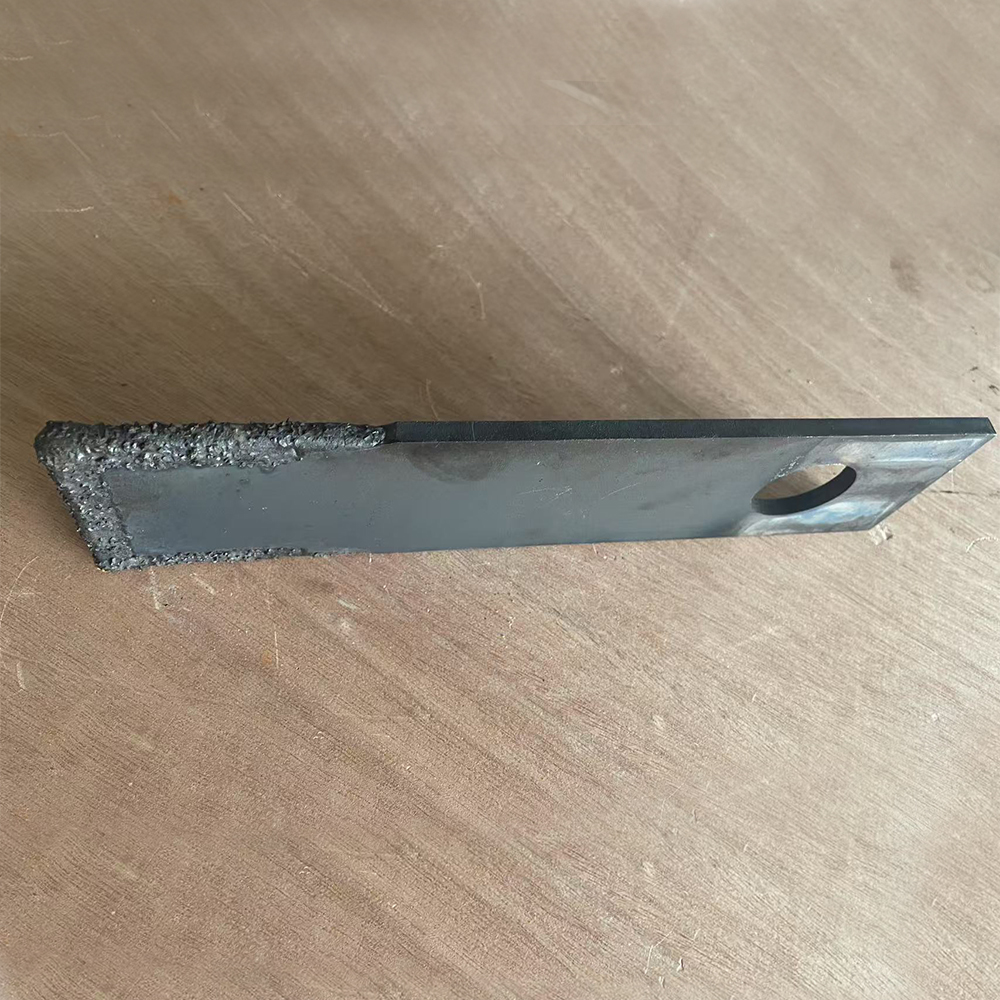
Industrial hammer beaters serve as critical components in various crushing and grinding applications across mining, construction, and material processing industries. These robust mechanical elements endure extreme operational conditions, making proper maintenance practices essential for optimal performance and extended service life. Understanding the fundamental principles of hammer beater care ensures maximum productivity while minimizing costly downtime and replacement expenses.
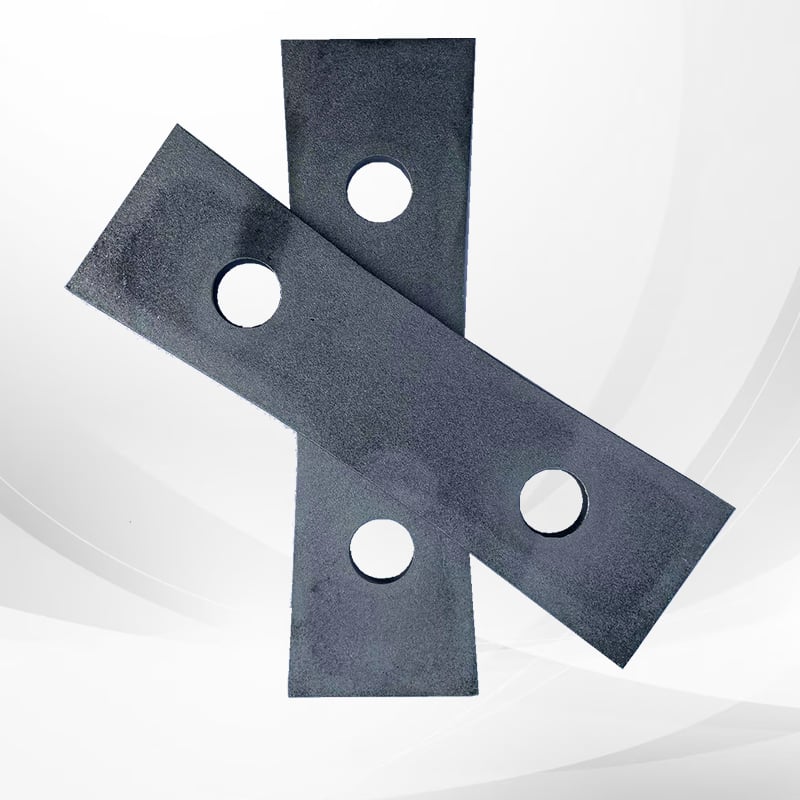
Modern manufacturing facilities rely heavily on hammer mill systems where beaters play pivotal roles in material size reduction processes. The effectiveness of these systems directly correlates with proper maintenance protocols and routine inspection procedures. Implementing comprehensive maintenance strategies not only preserves equipment integrity but also maintains consistent product quality standards throughout operational cycles.
Understanding Hammer Beater Fundamentals
Construction and Material Composition
Hammer beaters typically feature high-strength steel construction designed to withstand repetitive impact forces and abrasive material contact. The manufacturing process involves heat treatment procedures that enhance hardness properties while maintaining sufficient toughness to prevent catastrophic failure under extreme conditions. Various alloy compositions provide specific characteristics tailored to different application requirements and material types.
Premium quality hammer beaters incorporate advanced metallurgical techniques including controlled cooling rates and precise chemical compositions. These manufacturing considerations directly influence wear resistance, impact strength, and overall service life expectations. Understanding these material properties helps maintenance personnel make informed decisions regarding replacement timing and operational parameters.
Operational Stress Factors
During normal operation, hammer beaters experience multiple stress mechanisms including impact loading, centrifugal forces, and abrasive wear patterns. The combination of these factors creates complex failure modes that require systematic monitoring approaches. Temperature fluctuations, moisture exposure, and contamination levels further complicate the operational environment and accelerate deterioration processes.
Dynamic loading conditions vary significantly based on material characteristics, feed rates, and operational speeds. These variables create unique wear patterns that experienced maintenance technicians learn to recognize and interpret. Proper understanding of these stress factors enables proactive maintenance scheduling and prevents unexpected equipment failures.
Inspection Protocols and Assessment Techniques
Visual Examination Procedures
Regular visual inspections represent the foundation of effective hammer beater maintenance programs. Trained personnel should examine each component for signs of excessive wear, crack formation, or geometric distortion. Surface irregularities, color changes indicating heat damage, and unusual wear patterns provide valuable insights into operational conditions and potential issues.
Systematic documentation of inspection findings enables trend analysis and predictive maintenance planning. Digital photography and measurement records create comprehensive maintenance histories that support informed decision-making processes. These inspection protocols should follow standardized procedures to ensure consistency across different operators and maintenance cycles.
Measurement and Tolerance Verification
Dimensional measurements using precision instruments verify whether hammer beaters remain within acceptable tolerance ranges. Critical dimensions including thickness, length, and hole locations directly affect operational performance and safety considerations. Wear measurements should be recorded systematically to establish replacement schedules based on actual wear rates rather than arbitrary time intervals.
Modern measurement techniques incorporate digital tools that provide accurate and repeatable results. Coordinate measuring machines, laser scanning systems, and ultrasonic thickness gauges offer enhanced precision compared to traditional measurement methods. These advanced techniques enable more precise maintenance planning and optimize replacement timing decisions.
Preventive Maintenance Strategies
Lubrication and Cleaning Protocols
Proper lubrication of hammer beater mounting systems prevents premature wear of supporting components and ensures smooth operational characteristics. Regular cleaning removes accumulated debris that can cause binding, uneven wear patterns, or excessive vibration levels. Maintenance schedules should specify appropriate lubricants, application methods, and frequency requirements based on operational conditions.
Contamination control measures protect critical surfaces from corrosive substances and abrasive particles that accelerate wear processes. Environmental protection systems including seals, guards, and filtration equipment require regular inspection and maintenance to maintain effectiveness. These protective measures significantly extend hammer beater service life when properly maintained.
Balancing and Alignment Considerations
Maintaining proper balance across all hammer beaters within a rotor assembly prevents excessive vibration levels that can damage bearings, shafts, and supporting structures. Weight variations between individual beaters create dynamic imbalances that reduce overall system performance and reliability. Professional balancing procedures should be performed whenever beaters are replaced or repositioned.
Alignment verification ensures uniform material distribution and prevents localized overloading conditions. Misaligned hammer beater installations create uneven wear patterns and reduce overall system efficiency. Precision alignment techniques using laser systems or dial indicators provide accurate positioning for optimal performance characteristics.
Troubleshooting Common Issues
Excessive Wear Pattern Analysis
Abnormal wear patterns indicate specific operational problems that require corrective action to prevent recurring issues. Uniform wear across the entire beater surface suggests normal operating conditions, while localized wear concentrations indicate alignment problems, material flow irregularities, or contamination issues. Understanding these wear signatures enables targeted corrective measures.
Metallurgical analysis of worn components provides insights into failure mechanisms and operational stresses. Laboratory examination techniques including hardness testing, microstructure analysis, and chemical composition verification help identify root causes of premature failure. This information supports improved material selection and operational parameter optimization.
Vibration and Noise Diagnosis
Unusual vibration levels or noise characteristics often indicate developing problems with hammer beater systems before visible damage becomes apparent. Vibration analysis using accelerometers and spectrum analyzers identifies specific frequency components associated with different failure modes. These diagnostic techniques enable proactive maintenance interventions before catastrophic failures occur.
Baseline measurements establish normal operational signatures that serve as reference points for future comparisons. Trending analysis reveals gradual deterioration patterns that support predictive maintenance scheduling. Regular monitoring programs using portable vibration analyzers provide cost-effective condition assessment capabilities for maintenance personnel.
Installation and Replacement Best Practices
Proper Installation Techniques
Correct installation procedures ensure optimal hammer beater performance and prevent premature failure due to improper mounting practices. Torque specifications for mounting hardware must be followed precisely to provide adequate clamping force without overstressing components. Thread engagement requirements and fastener grade specifications affect joint integrity and operational reliability.
Installation sequencing prevents distortion of rotor assemblies and maintains proper geometric relationships between components. Systematic tightening patterns distribute mounting loads evenly and prevent localized stress concentrations. Quality control measures including final inspections and operational tests verify proper installation before returning equipment to service.
Quality Control and Verification
Post-installation verification procedures confirm that all hammer beaters meet specified performance criteria and safety requirements. Dimensional checks, balance verification, and clearance measurements ensure proper system integration. These quality control measures prevent operational problems and extend service life expectations through proper initial setup.
Documentation requirements include installation records, material certifications, and test results that support warranty claims and maintenance planning activities. Complete records enable traceability of component history and performance characteristics. This information proves valuable for future maintenance decisions and equipment optimization efforts.
Performance Optimization Techniques
Material Selection Considerations
Selecting appropriate hammer beater materials based on specific application requirements optimizes performance and service life characteristics. Different steel compositions offer varying combinations of hardness, toughness, and wear resistance properties. Understanding these material characteristics enables informed selection decisions that match component capabilities with operational demands.
Cost-benefit analysis considerations include initial purchase price, expected service life, maintenance requirements, and productivity impacts. Premium materials may justify higher initial costs through extended service intervals and improved operational reliability. These economic factors should be evaluated systematically to optimize overall operational costs.
Operational Parameter Optimization
Adjusting operational parameters including rotor speed, feed rate, and screen opening size affects hammer beater wear rates and overall system performance. Optimal parameter combinations balance productivity requirements with component longevity considerations. Systematic testing and performance monitoring identify optimal operating points for specific applications.
Process control systems enable automatic adjustment of operational parameters based on real-time conditions and performance feedback. These advanced control strategies optimize hammer beater utilization while maintaining product quality standards. Integrated monitoring systems provide continuous assessment of component condition and performance characteristics.
FAQ
How frequently should hammer beaters be inspected for wear and damage
Inspection frequency depends on operational conditions, material characteristics, and production requirements. High-abrasion applications may require weekly inspections, while less demanding conditions allow monthly or quarterly schedules. Visual inspections should be performed during routine maintenance shutdowns, with detailed measurements conducted based on operational hours or production tonnage thresholds.
What are the primary indicators that hammer beaters require replacement
Key replacement indicators include excessive dimensional wear beyond specified tolerances, visible crack formation, significant weight loss, or changes in operational vibration patterns. Surface hardness reduction, unusual wear patterns, or geometric distortion also signal replacement requirements. Establishing specific replacement criteria based on measurable parameters ensures consistent decision-making processes.
Can different hammer beater materials be mixed within the same rotor assembly
Mixing different materials within a single rotor assembly is generally not recommended due to varying wear rates, dynamic characteristics, and replacement scheduling complications. Uniform material selection ensures consistent performance and simplifies maintenance planning. However, specific applications may benefit from strategic material placement based on wear pattern analysis and operational requirements.
What storage conditions preserve hammer beater quality during extended periods
Proper storage requires clean, dry environments with controlled temperature and humidity levels to prevent corrosion. Components should be protected from moisture, contamination, and physical damage using appropriate packaging materials. Periodic inspection of stored inventory ensures readiness for installation and identifies any deterioration that may affect performance characteristics.