 EN
EN
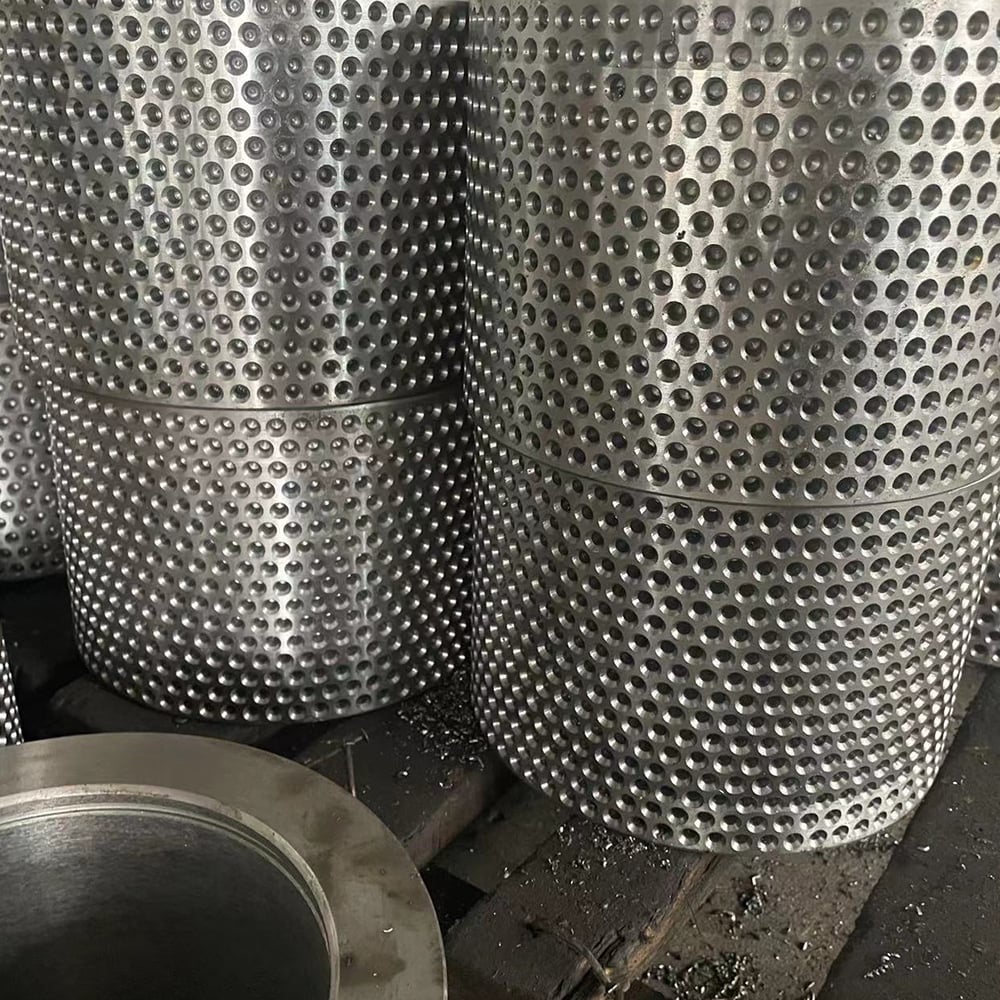
Industrial crushing and grinding operations rely heavily on efficient machinery to process various materials effectively. The hammermill beater stands as one of the most critical components in modern material processing facilities, delivering consistent particle size reduction across numerous applications. Understanding proper operation techniques and maintenance protocols ensures optimal performance while maximizing equipment lifespan and minimizing operational costs.
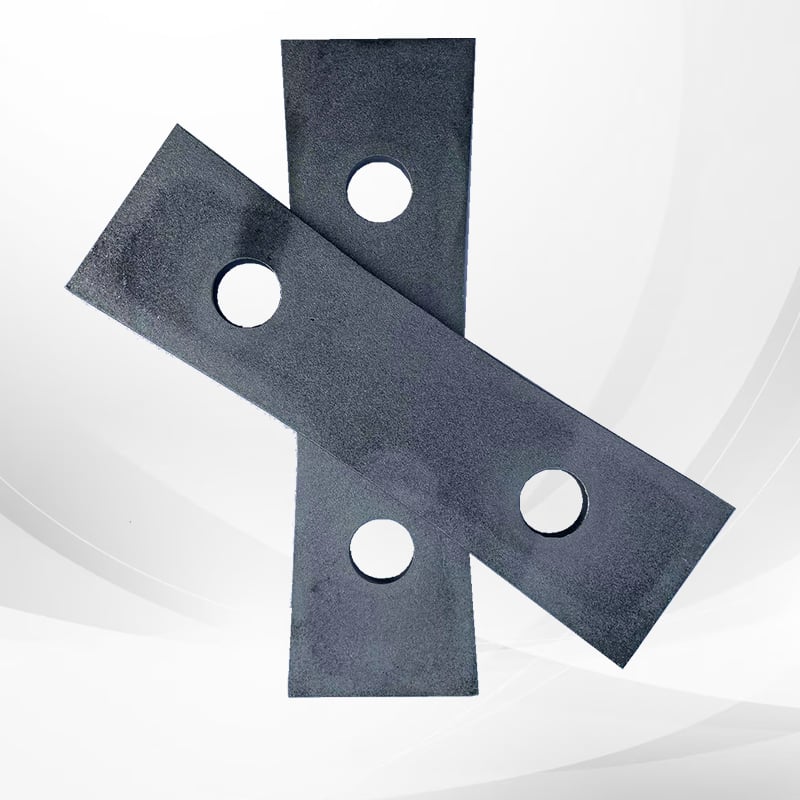
Material processing industries demand precision and reliability from their crushing equipment. Whether handling agricultural products, industrial waste, or raw materials for manufacturing, the effectiveness of grinding operations directly impacts overall production efficiency. Modern facilities invest significantly in quality equipment and comprehensive training programs to ensure operators understand the complexities involved in proper machinery management.
Understanding Hammermill Beater Fundamentals
Core Design Principles and Functionality
The hammermill beater operates on straightforward mechanical principles that have been refined over decades of industrial application. High-speed rotating hammers impact materials fed into the grinding chamber, creating the necessary force for particle size reduction. The design incorporates strategically positioned screens or grates that control final particle size, allowing operators to achieve specific grinding requirements for different materials.
Material enters the grinding chamber through controlled feeding mechanisms, where rotating hammers strike particles repeatedly until they reach the desired size. The centrifugal force generated by the rotating assembly helps distribute materials evenly throughout the chamber, ensuring consistent processing results. Screen openings determine final particle size, with smaller openings producing finer materials and larger openings allowing coarser particles to pass through.
Material Compatibility and Processing Capabilities
Different materials require specific operational adjustments to achieve optimal grinding results with hammermill equipment. Brittle materials typically process more easily than fibrous substances, requiring lower energy input and producing more uniform particle sizes. Understanding material characteristics helps operators select appropriate hammer configurations, screen sizes, and operational parameters for each specific application.
Moisture content significantly affects grinding performance and final product quality. Excessive moisture can cause material to stick to internal surfaces, reducing efficiency and potentially causing equipment damage. Conversely, extremely dry materials may generate excessive dust, requiring additional ventilation and collection systems to maintain safe working conditions and product quality standards.
Pre-Operational Safety and Setup Procedures
Essential Safety Protocols and Equipment Inspection
Safety considerations must take precedence in all hammermill operations, requiring comprehensive protocols and regular equipment inspections. Operators should complete thorough visual inspections before each startup, checking for loose bolts, damaged screens, worn hammers, and proper guard installation. Personal protective equipment including safety glasses, hearing protection, and appropriate clothing prevents injuries from flying debris and noise exposure.
Lockout and tagout procedures ensure equipment remains safely de-energized during maintenance and inspection activities. Multiple energy sources including electrical power, compressed air, and hydraulic systems require proper isolation to prevent accidental startup. Emergency stop systems must be tested regularly to verify proper functionality and ensure operators can quickly shut down equipment when necessary.
Calibration and Initial Setup Requirements
Proper calibration establishes optimal operating parameters for consistent performance and product quality. Screen selection depends on desired particle size specifications, with finer screens requiring more energy and potentially reducing throughput capacity. Hammer positioning and clearance adjustments affect grinding efficiency and component wear rates, requiring careful attention during initial setup procedures.
Feed rate calibration ensures steady material flow without overloading the grinding chamber or causing excessive wear on internal components. Variable speed drives allow operators to adjust rotor speeds based on material characteristics and processing requirements. Temperature monitoring systems help prevent overheating that could damage sensitive materials or equipment components.
Optimal Operating Techniques and Parameters
Feed Rate Management and Material Flow Control
Maintaining consistent feed rates prevents equipment overload while maximizing processing efficiency throughout production runs. Excessive feeding can overwhelm the grinding chamber, causing poor particle size distribution and increased power consumption. Insufficient feeding reduces overall throughput and may cause unnecessary hammer wear due to metal-on-metal contact without adequate material cushioning.
Material flow monitoring systems help operators maintain optimal processing conditions by providing real-time feedback on chamber loading and discharge rates. Automated feeding controls can adjust input rates based on power consumption, chamber pressure, or discharge characteristics. These systems reduce operator workload while maintaining consistent processing conditions that improve product quality and equipment longevity.
Power Management and Energy Efficiency Optimization
Energy consumption represents a significant operational cost in material processing facilities, making power management crucial for profitable operations. The hammermill beater requires careful monitoring of electrical load to prevent motor overload while maintaining adequate grinding force. Variable frequency drives allow precise speed control that optimizes energy usage based on material characteristics and processing requirements.
Power factor correction and load balancing across electrical phases improve overall system efficiency while reducing utility costs. Motor current monitoring helps operators identify developing problems before they cause equipment failure or extended downtime. Regular power consumption analysis identifies opportunities for operational improvements that reduce energy costs without compromising product quality or throughput capacity.
Maintenance Protocols and Component Care
Preventive Maintenance Scheduling and Procedures
Systematic preventive maintenance programs significantly extend hammermill beater service life while reducing unexpected breakdowns and repair costs. Daily inspection routines include checking oil levels, bearing temperatures, unusual noise levels, and vibration patterns. Weekly maintenance tasks involve more detailed examinations of internal components, screen condition, and hammer wear patterns that indicate developing problems.
Lubrication schedules must follow manufacturer specifications to ensure proper bearing protection and component longevity. Over-lubrication can cause contamination and overheating, while insufficient lubrication leads to premature bearing failure and costly repairs. Temperature monitoring systems help identify lubrication problems before they cause significant damage to critical rotating components.
Component Replacement and Upgrade Considerations
Hammer replacement timing affects both product quality and operational efficiency, requiring careful monitoring of wear patterns and performance indicators. Severely worn hammers produce inconsistent particle sizes and require increased energy consumption to achieve desired grinding results. Replacement scheduling should consider material hardness, processing volume, and quality requirements to optimize component utilization without compromising performance standards.
Screen replacement intervals depend on material abrasiveness, processing volume, and desired particle size specifications. Damaged or excessively worn screens allow oversized particles to pass through, affecting downstream processing equipment and final product quality. Regular inspection and timely replacement prevent quality issues while maintaining efficient processing conditions throughout production runs.
Troubleshooting Common Operational Issues
Performance Problems and Diagnostic Techniques
Reduced grinding efficiency often indicates developing problems with internal components or operational parameters that require immediate attention. Excessive vibration patterns may signal hammer imbalance, bearing wear, or structural problems that could lead to catastrophic failure. Power consumption changes without corresponding throughput adjustments often indicate increased internal resistance from component wear or material buildup.
Product quality variations typically result from inconsistent feed rates, worn components, or improper operational parameters that affect grinding uniformity. Particle size analysis helps identify specific problems with screen condition, hammer wear, or chamber clearances. Temperature monitoring provides early warning of lubrication problems, bearing wear, or excessive loading conditions that require operational adjustments.
System Integration and Process Optimization
Hammermill beater integration with upstream and downstream equipment requires careful coordination to maintain optimal processing conditions throughout the entire system. Feed preparation equipment must deliver consistent material characteristics that allow stable grinding operations. Downstream separation and collection systems need adequate capacity to handle variable discharge rates without creating backpressure that affects grinding performance.
Process control systems enable automated adjustments based on real-time operating conditions and product quality measurements. Integration with plant-wide control systems allows coordinated operation that optimizes overall facility efficiency while maintaining individual equipment performance standards. Data collection and analysis capabilities help identify improvement opportunities that reduce costs while enhancing product quality consistency.
Advanced Applications and Industry-Specific Considerations
Specialized Material Processing Requirements
Different industries impose unique requirements on hammermill beater operations that require specialized knowledge and equipment configurations. Food processing applications demand sanitary design features, easy cleaning capabilities, and materials that meet regulatory standards for direct food contact. Pharmaceutical applications require even more stringent contamination control measures and documentation procedures to ensure product safety and regulatory compliance.
Chemical processing environments may require explosion-proof electrical equipment, specialized ventilation systems, and chemical-resistant materials to ensure safe operation. Mining applications typically involve highly abrasive materials that require heavy-duty component designs and more frequent maintenance intervals. Understanding industry-specific requirements helps operators select appropriate equipment configurations and develop suitable operational procedures.
Technology Integration and Automation Opportunities
Modern hammermill beater systems incorporate advanced monitoring and control technologies that improve operational efficiency while reducing manual intervention requirements. Vibration analysis systems provide early warning of developing mechanical problems that could cause unexpected shutdowns. Thermal imaging cameras help identify hot spots that indicate lubrication problems or component wear before they cause equipment damage.
Artificial intelligence and machine learning algorithms analyze operational data to predict maintenance requirements and optimize processing parameters automatically. These systems learn from historical performance patterns to identify subtle changes that indicate developing problems. Predictive maintenance capabilities reduce unscheduled downtime while optimizing component replacement timing to maximize utilization and minimize costs.
FAQ
What factors determine optimal hammermill beater operating speed?
Operating speed depends on material characteristics, desired particle size, and equipment design specifications. Harder materials typically require higher speeds to generate sufficient impact force, while softer materials may process effectively at lower speeds. Screen opening size also influences optimal speed selection, with finer screens generally requiring higher speeds to maintain adequate throughput. Manufacturers provide recommended speed ranges based on specific equipment designs and intended applications.
How often should hammermill beater components be inspected and replaced?
Inspection frequency depends on material abrasiveness, processing volume, and operational conditions. Daily visual inspections should check for obvious wear or damage, while weekly detailed examinations assess component condition more thoroughly. Hammer replacement intervals typically range from several hundred to several thousand operating hours depending on material hardness and processing conditions. Screen replacement frequency varies similarly based on material characteristics and desired particle size specifications.
What safety measures are essential when operating hammermill beater equipment?
Essential safety measures include proper personal protective equipment, lockout and tagout procedures, and regular safety system testing. Operators must wear appropriate eye and hearing protection due to noise levels and potential flying debris. Emergency stop systems require regular testing to ensure proper functionality. Access guards and interlocks prevent contact with rotating components during operation, while proper ventilation systems control dust levels and maintain safe working conditions.
How can energy consumption be minimized while maintaining processing efficiency?
Energy optimization involves proper equipment sizing, variable speed controls, and efficient operational procedures. Variable frequency drives allow speed adjustment based on material characteristics and processing requirements, reducing energy consumption during light loading conditions. Proper screen selection balances product quality requirements with energy efficiency, while consistent feed rates prevent power spikes from material surges. Regular maintenance ensures optimal equipment efficiency by preventing energy losses from worn components or poor lubrication conditions.