 EN
EN
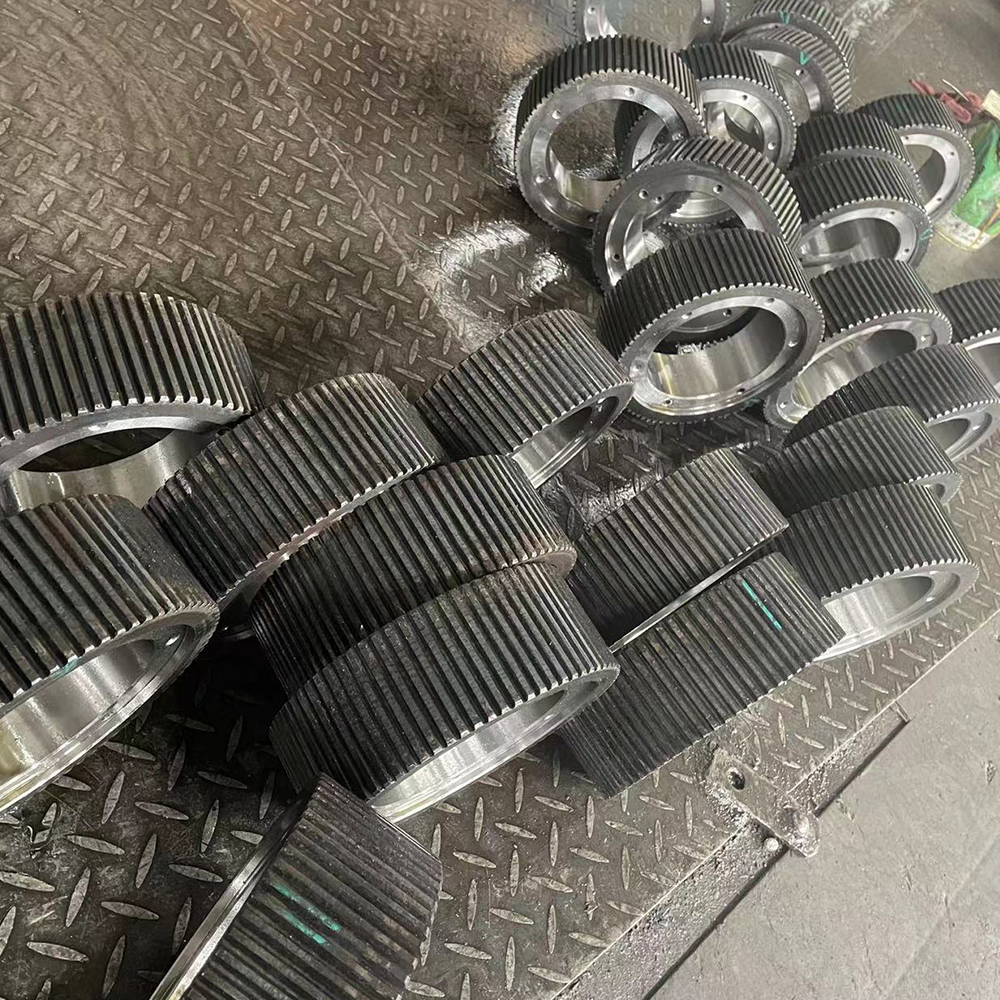
Učinkovitost procesa zgustanja materijala ovisi o brojnim inženjerskim čimbenicima, ali nijedan nije temeljniji od dizajna površine valjki. Ova kritična komponenta izravno utječe na interakciju čestica, raspodjelu sile i ukupnu kvalitetu kompaktnih materijala u različitim industrijama, od farmaceutskih do metalurgije. Razumijevanje zašto dizajn površine valjki igra tako ključnu ulogu zahtijeva ispitivanje složenih mehaničkih interakcija koje se javljaju tijekom procesa zgrušavanja i kako geometrija površine utječe na ponašanje materijala pod pritiskom.
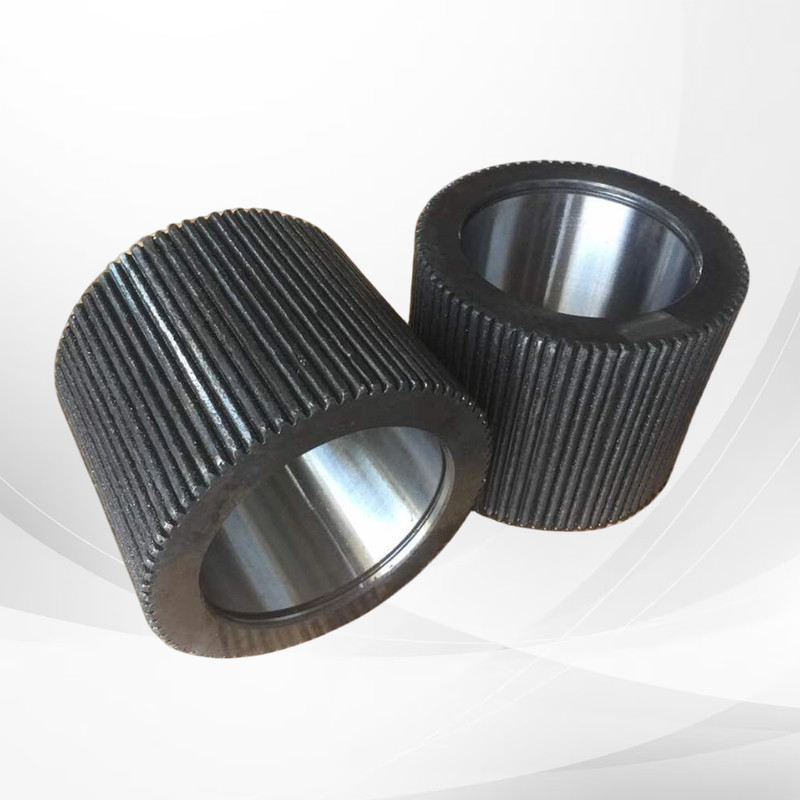
Važnost dizajna površine valjki postaje očita kada se uzmu u obzir ogromne sile i precizna kontrola koja je potrebna u modernim aplikacijama za zagrljavanje. U slučaju da se prilikom obrade koriste materijali iz metalurgije praha, farmaceutske tablete ili kemijski spojevi, površinske karakteristike valjki određuju koliko se materijali učinkovito stiskaju, koliko se jednako raspoređuje tlak i, konačno, koliko će kvaliteta konačnog proizvoda biti dosljedna. Ova temeljna veza između dizajna površine i učinkovitosti zgustanja objašnjava zašto inženjeri ulažu značajne resurse u optimizaciju konfiguracija valjki za specifične primjene.
Principi dinamike protoka materijala i interakcije površine
Mehanizmi za uključivanje čestica i prijenos sile
U skladu s člankom 3. stavkom 2. točkom (a) ovog članka, "proizvodnja" znači proizvodnja proizvoda koji se upotrebljava za proizvodnju proizvoda koji se upotrebljavaju u proizvodnji proizvoda za proizvodnju proizvoda za proizvodnju proizvoda za proizvodnju proizvoda za proizvodnju proizvoda za proizvodnju proizvoda za proizvodnju proizvoda za proizvodnju proizvoda za proizvodnju U slučaju da se materijali uđu u zonu za zapitkivanje, površinska geometrija određuje početne kontaktne točke i naknadne puteve prijenosa sile kroz materijalni ležaj. Glatke površine mogu omogućiti da čestice klize ili se neredno raspoređuju, dok odgovarajuće dizajnirane površinske značajke stvaraju kontrolirane točke uključivanja koje potiču jednaki zaptijanje diljem volumena materijala.
Mikroskopska interakcija između čestica i površine ljuske valjaka uključuje složene tribološke pojave koje značajno utječu na učinkovitost zaptijanja. Površinska gruboća, uzorci teksture i geometrijske značajke sve doprinose koeficijentima trenja i mehaničkom međusobno zaključavanju koji se javlja tijekom ciklusa komprese. U skladu s člankom 3. stavkom 2. točkom (a) ovog članka, za sve proizvode koji se upotrebljavaju u proizvodnji, za koje se primjenjuje ovaj članak, za koje se primjenjuje točka (b) ovog članka, za koje se primjenjuje točka (c) ovog članka, za koje se primjenjuje točka (d
Razumijevanje mehaničke povezanosti čestica otkriva zašto je dizajn površine valjki potrebno prilagoditi specifičnim svojstvima materijala. Različiti materijali pokazuju različite reakcije na teksture površine, a neki zahtijevaju agresivne površinske osobine za pravilno uključivanje, dok drugi bolje rade s glatkim, kontroliranijim kontaktnim površinama. U skladu s člankom 3. stavkom 2. točkom (a) ovog članka, za sve proizvode koji se upotrebljavaju u proizvodnji valjki za valjanje, potrebno je utvrditi razinu i razinu razine valjki.
U slučaju da se ne primjenjuje presak, to se može učiniti na temelju sljedećih:
U postupcima za zaphitljanje materijala, učinkovita distribucija tlaka predstavlja jednu od najkritičnijih funkcija na koju utječe dizajn površine valjki. Geometrija površine stvara specifične gradijente tlaka koji određuju kako se sila kompresije šire kroz materijalni ležaj, što izravno utječe na jednakoću i kvalitetu konačnog compactiranog proizvoda. Nejednakost distribucije tlaka može dovesti do promjena gustoće, slabosti i strukturnih nedosljednosti koje ugrožavaju performanse proizvoda.
Odnos između dizajna površine i raspodjele tlaka uključuje složene mehaničke principe povezane s mehaničkom kontaktom i koncentracijom napona. Oblik površine kao što su uzorci zuba, konfiguracije žlijezda ili teksturirane površine stvaraju više kontaktnih točaka koji pomažu ravnomjernije raspoređivati opterećenja na materijal koji se obrađuje. U slučaju da se ne primjenjuje primjena ovog standarda, u slučaju da se ne primjenjuje primjena ovog standarda, primjenjuje se primjena ovog standarda.
Napredni dizajn površine valjki uključuje sofisticirane geometrijske uzorke koji optimiziraju raspodjelu tlaka za posebne primjene. Ti dizajni uzimaju u obzir faktore kao što su karakteristike protoka materijala, zahtjevi za ciljanu gustoću i ograničenja brzine obrade kako bi stvorili konfiguracije površina koje maksimalno povećavaju učinkovitost komprimiranja, istovremeno minimizirajući otpad materijala i potrošnju energije tijekom cijelog procesa.
U slučaju da se ne primjenjuje, ispitni postupak se može provesti u skladu s člankom 6. stavkom 2.
Upravljanje poroznost kroz površinsko inženjerstvo
Dostizanje ciljne gustoće u zapetljenim materijalima u velikoj mjeri ovisi o tome koliko je učinkovito dizajn površine valjki u skladu s člankom 3. stavkom 2. Geometrija površine utječe na to kako se zrak i drugi plini izbacuju iz materijalnog ležaja, spriječavajući zarobljene praznine koje bi ugrozile konačnu gustoću i strukturni integritet. Odgovarajući dizajn površine stvara kontrolirane puteve za evakuaciju plina uz održavanje optimalnih omjera kompresije.
Različite konfiguracije površine utječu na upravljanje poroznost kroz različite mehanizme, uključujući kontrolirani protok materijala, razrađene sekvence komprimacije i optimizirane profile kontakta. Ovi mehanizmi rade zajedno kako bi postupno uklonili praznine i postigli ravnomernu raspodjelu gustoće u cijelom zapetljenom materijalu. U slučaju da se ne primjenjuje sustav za upravljanje poreznostma, u skladu s člankom 6. stavkom 2. točkom (a) ovog članka, to se može smatrati da je primjenljivo.
Napredne tehnike upravljanja poroznost uključuju dizajn površine koji stvara više stupnjeva komprimacije unutar jednog prolaska kroz zona za zapitkivanje. Ovaj postupni pristup omogućuje kontroliranije uklanjanje praznine i sprečava stvaranje unutarnjih napona koji bi mogli dovesti do defekta proizvoda ili smanjenja mehaničkih svojstava konačnog zapakiranog materijala.
Zahtjevi za dosljednost i reproduktivnost
U većini primjena za zapitkivanje proizvodnja predstavlja temeljnu potrebu za dosljednošću, što čini dizajn površine valjki ključnim za postizanje ponovljivih rezultata tijekom proizvodnih radova. Na površinu se obrazac nošenja, geometrijska preciznost i kompatibilnost materijala utječu na dugoročnu konzistenciju procesa trčanja. Pravilno dizajnirane površine održavaju svoju učinkovitost tijekom dužeg radnog razdoblja, a istodobno proizvode dosljednu kvalitetu.
U slučaju da se u slučaju izloženosti u skladu s člankom 6. stavkom 2. točkom (a) te točke (b) ne primjenjuje, to se može smatrati da je u skladu s člankom 6. stavkom 2. točkom (c) ili člankom 6. točkom (c) Uredbe (EU) br. 528/2014. U slučaju da se ne primjenjuje sustav za obaranje, mora se utvrditi da je to potrebno za ispitivanje. U skladu s člankom 3. stavkom 2. točkom (a) Uredbe (EZ) br. 765/2008 i člankom 3. stavkom (b) Uredbe (EZ) br. 765/2008 i člankom 4. stavkom (b) Uredbe (EZ) br. 765/2008 i člankom 4. stavkom (c) Uredbe (EZ) br. 765/2008 i
U pogledu kontrole kvalitete također se uzima u obzir sposobnost praćenja i održavanja stanja površine tijekom cijelog životnog ciklusa. U slučaju da se ne provodi ispitivanje, mora se utvrditi da je ispitivanje provedeno u skladu s člankom 6. stavkom 2. U skladu s člankom 3. stavkom 2.
Strategije optimizacije dizajna specifične za primjenu
U skladu s člankom 4. stavkom 1.
U skladu s člankom 3. stavkom 1. točkom (a) Uredbe (EZ) br. 765/2008 i člankom 3. točkom (b) Uredbe (EZ) br. 765/2008 i člankom 3. točkom (c) Uredbe (EZ) br. 765/2008 i člankom 3. točkom (c) Uredbe (EZ) br. 765/2008 i Tvrdoća materijala, raspodjela veličine čestica, sadržaj vlage i kemijski sastav utječu na idealnu konfiguraciju površine za učinkovitu obradu. Razumijevanje ovih zahtjeva specifičnih za materijal omogućuje inženjerima da razviju prilagođene dizajne površina koje maksimalno povećavaju učinkovitost i kvalitetu proizvoda za određene primjene.
Kompatibilnost između svojstava materijala i dizajna površine uključuje složene interakcije povezane s adhezijom, otpornošću na abraziju i kemijskom kompatibilnošću. Neki materijali mogu zahtijevati agresivne teksture površine kako bi se prevazišle kohezivne sile, dok drugi imaju koristi od glatkih površina koje minimiziraju oštećenje čestica tijekom komprimiranja. Ova razmatranja specifična za materijal pokreću razvoj specijaliziranih rješenja za dizajn površine valjki za različite industrijske primjene.
U skladu s člankom 3. stavkom 2. točkom (a) ovog članka, za proizvodnju materijala koji se upotrebljavaju u proizvodnji materijala koji se upotrebljavaju u proizvodnji materijala za proizvodnju materijala za proizvodnju materijala za proizvodnju materijala za proizvodnju materijala za proizvodnju materijala za proizvodnju materijala za proizvodnju materi U skladu s člankom 3. stavkom 1. točkom (a) Uredbe (EZ) br. 765/2008 i člankom 3. stavkom (b) Uredbe (EZ) br. 765/2008 i člankom 3. stavkom (b) Uredbe (EZ) br. 765/2008 i člankom 4. stavkom (c) Uredbe (EZ) br. 765/2008 i
Integriranje i optimizacija parametara procesa
U skladu s člankom 3. stavkom 2. točkom (a) ovog članka, za proizvodnju gume za proizvodnju gume za proizvodnju gume za proizvodnju gume za proizvodnju gume za proizvodnju gume za proizvodnju gume za proizvodnju gume za proizvodnju gume za proizvodnju gume za proizvodnju gume za proizvodnju gume za Geometrija površine utječe na to kako ti parametri međusobno djeluju i utječu na ukupnu učinkovitost procesa, što zahtijeva pažljivu koordinaciju između dizajna površine i radnih uvjeta kako bi se maksimizirala učinkovitost.
U skladu s člankom 3. stavkom 2. točkom (a) ovog članka, za proizvodnju materijala koji se upotrebljavaju u proizvodnji materijala za proizvodnju materijala za proizvodnju materijala za proizvodnju materijala za proizvodnju materijala za proizvodnju materijala za proizvodnju materijala za proizvodnju materijala za proizvodnju materijala za proizvodnju materijala U skladu s člankom 3. stavkom 2. točkom (a) ovog članka, za proizvodnju električne energije u skladu s člankom 3. stavkom 2. točkom (a) ovog članka, proizvođač mora upotrijebiti električnu energiju u skladu s člankom 3. točkom (a) ovog članka.
Strategije optimizacije procesa često uključuju iterativno usavršavanje parametara dizajna površine i radnih uvjeta kako bi se postigla maksimalna učinkovitost i kvaliteta. Ovaj proces optimizacije uzima u obzir faktore kao što su potrošnja energije, stope proizvodnje i metričke vrijednosti kvalitete proizvoda kako bi se razvila integrirana rješenja koja pružaju vrhunsku ukupnu učinkovitost u primjenama za zapitkivanje materijala.
Uticaj na učinkovitost i razmatranja učinkovitosti
Energetska učinkovitost i potrebna snaga
U skladu s člankom 3. stavkom 1. točkom (a) Uredbe (EZ) br. 765/2008 i člankom 3. točkom (b) Uredbe (EZ) br. 765/2008 i člankom 4. točkom (c) Uredbe (EZ) br. 765/2008 i člankom 4. točkom (c) Uredbe (EZ) br. 765/2008 i Dobro dizajnirane površine mogu smanjiti snagu potrebnu za postizanje ciljanog nivoa komprimacije, a istovremeno održavati ili poboljšavati kvalitetu proizvoda. U skladu s člankom 3. stavkom 1. stavkom 2.
U slučaju da se radi o proizvodnji električne energije, potrebno je utvrditi razinu energije koja se koristi za proizvodnju električne energije. U skladu s člankom 3. stavkom 2. točkom (a) ovog članka, za proizvodnju električne energije za proizvodnju električne energije u Uniji primjenjuje se sljedeći standard: Napredni dizajn površine uključuje značajke koje minimiziraju gubitak energije uz maksimiziranje učinkovitosti zaptijanja.
U skladu s člankom 3. stavkom 1. točkom (a) Uredbe (EU) br. 528/2012 Europska komisija je odlučila o izmjeni Uredbe (EU) br. 528/2012 Europskog parlamenta i Vijeća. U skladu s člankom 3. stavkom 1. točkom (a) ovog članka, "potrošnja energije" znači potrošnja energije koja se koristi za proizvodnju električne energije.
Optimizacija proizvodnje i stope proizvodnje
U skladu s člankom 3. stavkom 1. točkom (a) Uredbe (EZ) br. 765/2008 Komisija je odlučila da se za proizvodnju gume za proizvodnju gume u skladu s člankom 3. točkom (a) Uredbe (EZ) br. 765/2008 primjenjuje sljedeći kriterij: U skladu s člankom 3. stavkom 1. točkom (a) Uredbe (EZ) br. 1225/2009 Komisija je odlučila o uvođenju mjera za utvrđivanje odgovarajućih mjera za utvrđivanje mjera za utvrđivanje mjera za utvrđivanje mjera za utvrđivanje mjera za utvrđivanje mjera za utvrđivanje mjera za Optimizacija dizajna površine za maksimalnu propusnost zahtijeva pažljivo razmatranje dinamike protoka materijala i kinetike kompresije.
Optimizacija protoka kroz dizajn površine valjki uključuje razumijevanje odnosa između površinske geometrije i vremena boravka materijala u zoni za zapitkivanje. U skladu s člankom 3. stavkom 1. točkom (a) Uredbe (EZ) br. 1225/2009 Komisija je odlučila o uvođenju mjera za utvrđivanje mjera za utvrđivanje mjera za utvrđivanje mjera za utvrđivanje mjera za utvrđivanje mjera za utvrđivanje mjera za utvrđivanje mjera za utvrđ
U skladu s člankom 3. stavkom 1. točkom (a) Uredbe (EZ) br. 765/2008 Komisija je odlučila da se za razdoblje od 1. siječnja 2017. do 31. prosinca 2017. Ovaj sveobuhvatan pristup dizajnu površine valjki omogućuje razvoj visoko-izvodnih sustava za zapitkivanje koji maksimalno povećavaju proizvodni kapacitet uz održavanje strogih standarda kontrole kvalitete.
Često se javljaju pitanja
U slučaju da se ne može utvrditi primjena ovog standarda, potrebno je utvrditi:
Najkritičnije površinske značajke uključuju geometriju zuba za uključivanje materijala, gruboću površine za kontrolu trenja i raspodjelu uzorka za jednaku primjenu pritiska. Uglo zuba, dubina i razmak izravno utječu na način hvatanja i komprimiranja materijala, dok tekstura površine utječe na interakciju čestica i karakteristike habanja. Optimalna kombinacija tih značajki ovisi o specifičnim svojstvima materijala i zahtjevima obrade.
Kako dizajn površine valjki utječe na životni vijek opreme za zapitkivanje?
Odgovarajući dizajn površine valjki značajno produžava životni vijek opreme tako što ravnomjernije raspoređuje habanje, smanjuje koncentraciju stresa i minimizira nakupljanje materijala koji može uzrokovati štetu. Dobro dizajnirane površine također smanjuju snage potrebne za zaptivanje, smanjujući pritisak na ležajeve, pogonske sustave i strukturne komponente. U skladu s člankom 3. stavkom 1.
U slučaju da je proizvodnja u skladu s člankom 6. stavkom 1. točkom (a) ovog članka, može li se proizvodnja u skladu s člankom 6. stavkom 1. točkom (a) ovog članka provesti u skladu s člankom 6. stavkom 1. točkom (a) ovog članka?
Da, dizajn površine valjki može se prilagoditi različitim materijalima putem zamjenjivih ljuski, prilagodljivih površnih tretmana ili modularnih konfiguracija valjaka. Mnogi moderni sustavi za zapitkivanje uključuju mogućnosti brze promjene koje omogućuju operaterima da prelaze između različitih konfiguracija površine na temelju zahtjeva za materijalom. Ova fleksibilnost omogućuje postrojenjima da učinkovito obrađuju više vrsta materijala uz održavanje optimalne kvalitete zaptivanja za svaku primjenu.
U slučaju da se ne primjenjuje sustav za kontrolu kvalitete, potrebno je utvrditi:
Za učinkovitu kontrolu kvalitete potrebno je redovito provjeravanje površine pomoću preciznih mjernih alata, praćenje parametara za zaphitljenje kako bi se utvrdila konzistentnost i planirano održavanje površine na temelju pokazatelja oštećenja. Mjere profila površine, testiranje tvrdoće i provjera dimenzija pomažu u utvrđivanju kada uvjeti površine mogu utjecati na performanse. Predviđajući sustavi održavanja koriste ova mjerenja kako bi se optimiziralo vrijeme zamjene i spriječilo smanjenje kvalitete.
Sadržaj
- Principi dinamike protoka materijala i interakcije površine
- U slučaju da se ne primjenjuje, ispitni postupak se može provesti u skladu s člankom 6. stavkom 2.
- Strategije optimizacije dizajna specifične za primjenu
- Uticaj na učinkovitost i razmatranja učinkovitosti
-
Često se javljaju pitanja
- U slučaju da se ne može utvrditi primjena ovog standarda, potrebno je utvrditi:
- Kako dizajn površine valjki utječe na životni vijek opreme za zapitkivanje?
- U slučaju da je proizvodnja u skladu s člankom 6. stavkom 1. točkom (a) ovog članka, može li se proizvodnja u skladu s člankom 6. stavkom 1. točkom (a) ovog članka provesti u skladu s člankom 6. stavkom 1. točkom (a) ovog članka?
- U slučaju da se ne primjenjuje sustav za kontrolu kvalitete, potrebno je utvrditi: