 EN
EN
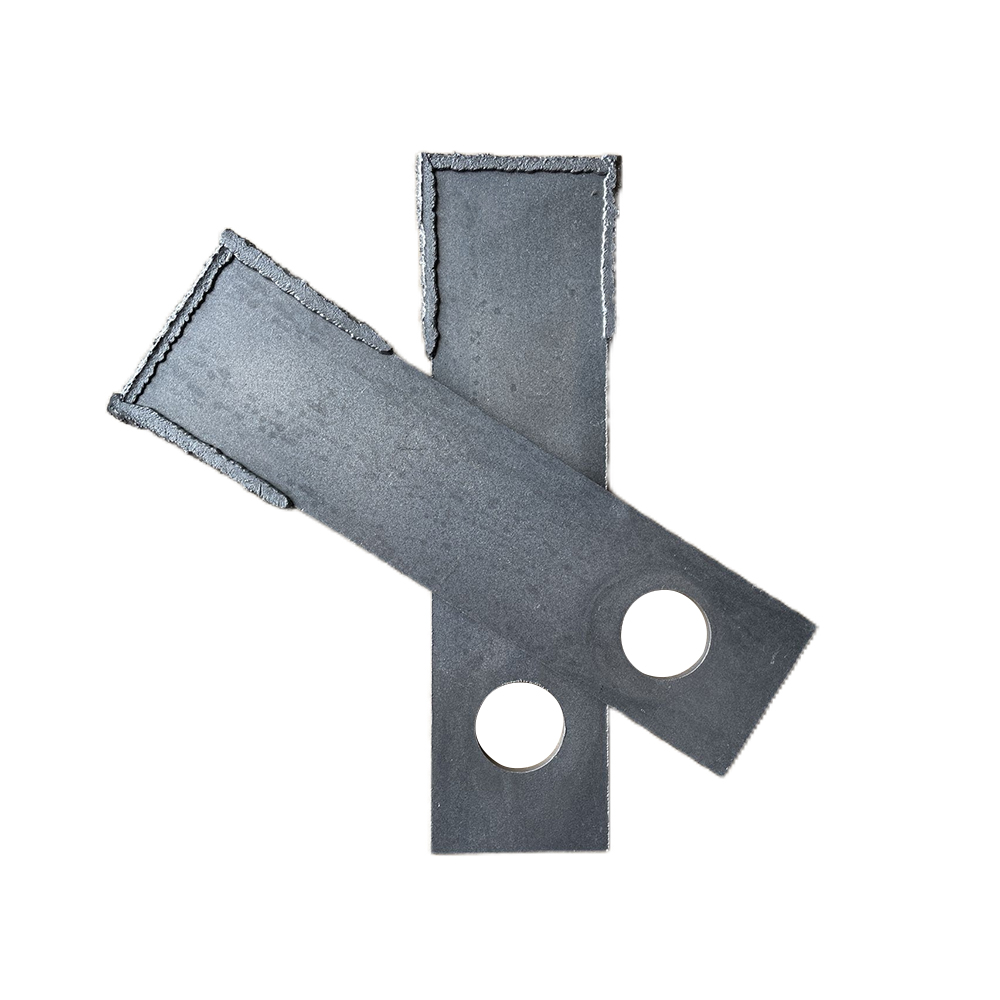
يعتمد توزيع حجم الجسيمات الناتج عن عمليات الطحن بالمدقات اعتمادًا حاسمًا على خصائص تصميم شفرة المدقة نفسها. ويجب على المهندسين والمشغلين الذين يسعون إلى تحسين أداء عملية الطحن أن يفهموا كيف تؤثر هندسة الشفرة وخصائص المادة المستخدمة في صنعها ومعايير الترتيب والتركيب تأثيرًا مباشرًا على حجم الجسيمات النهائي الناتج. وعلى الرغم من أن سرعة المدقة وحجم الشبكة ومعدل التغذية تؤدي أدوارًا مهمة، فإن تصميم الشفرة يمثل واجهة القطع والاصطدام الأساسية التي تحدد كفاءة التفتيت والتحكم في حجم الجسيمات عبر التطبيقات الصناعية المختلفة، بدءًا من معالجة الأعلاف الزراعية وانتهاءً بإعداد المساحيق الصيدلانية.
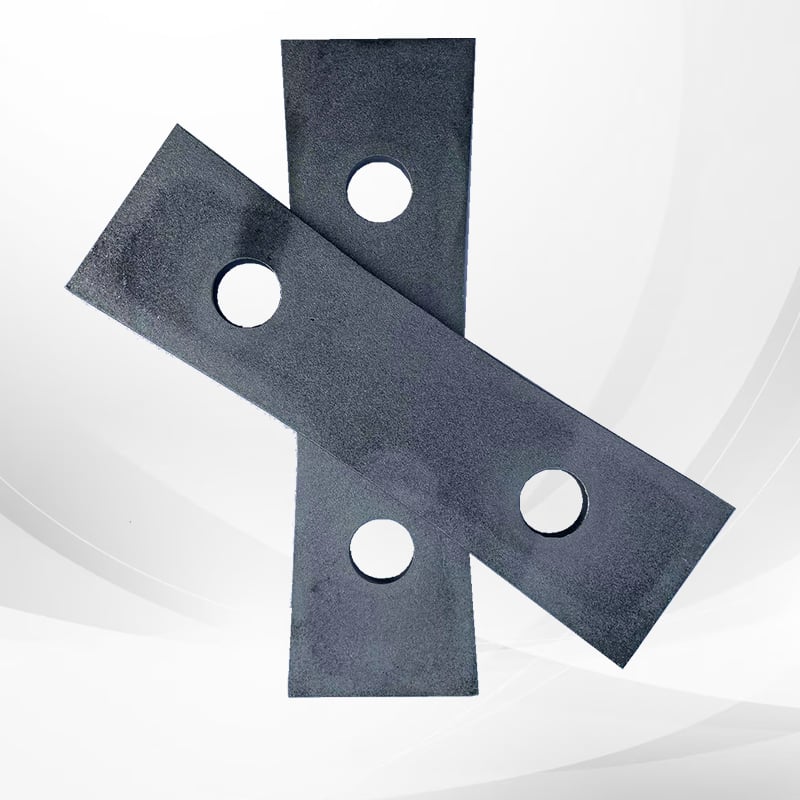
تتضمن العلاقة بين تصميم الشفرات ونتائج حجم الجسيمات تفاعلات معقدة بين انتقال طاقة التصادم، وقوى القص، وكفاءة التقطيع، وميكانيكا كسر المادة. فقد تُظهر شفرة مطحنة المطارق أداءً جيدًا لمادةٍ معينة أو لحجم جسيمات مستهدفٍ معيّن، لكنها قد تثبت عدم كفايتها في تطبيقات مختلفة. ويُمكّن فهم عوامل التصميم المحددة التي تؤثر في حجم الجسيمات من تحديد مواصفات المعدات واختيار الشفرات وتحسين العمليات بشكلٍ مدروس. وتتناول هذه المقالة المعايير الرئيسية لتصميم الشفرات التي تتحكم في توزيع حجم الجسيمات، موضحةً الآليات التي تؤثر بها كل عاملٍ على أداء الطحن، ومتضمنةً إرشادات عملية لاختيار تشكيلات الشفرات المناسبة.
سماكة الشفرة وتأثيرها على انتقال طاقة التصادم
كيف تؤثر السماكة في توزيع حجم الجسيمات
يؤثر سمك شفرة مطحنة المطرقة تأثيرًا جوهريًا على الكتلة والصلابة المتاحة لتصادم المواد. فتحمل الشفرات الأسمك زخمًا أكبر عند سرعات دوران مكافئة، ما يُوفِّر طاقة تصادم أعلى لجسيمات المادة أثناء أحداث التصادم. وعادةً ما يؤدي هذا الانتقال المُعزَّز للطاقة إلى إنتاج جسيمات أدق من خلال توليد انتشار أكثر اكتمالًا للكسر داخل هياكل المادة. وفي التطبيقات التي تتطلب الطحن الدقيق—مثل إنتاج المساحيق الصيدلانية أو معالجة المعادن—تمكن تصاميم الشفرات الأسمك من تحقيق توزيعات أصغر لحجم الجسيمات عبر أحداث تصادم أكثر قوة.
ومع ذلك، فإن سماكة الشفرة تعمل ضمن نطاقات مثلى تختلف باختلاف خصائص المادة والنتائج المستهدفة. فاستخدام شفرات سميكة بشكل مفرط يزيد من استهلاك الطاقة دون تحسينات متناسبة في تقليل حجم الجسيمات، لا سيما عند معالجة المواد التي تنكسر بسهولة تحت تأثير قوى اصطدام معتدلة. ويتبع العلاقة بين السماكة وحجم الجسيمات منحنى العوائد المتناقصة بعد تجاوز الحدود المحددة لكل مادة على حدة. علاوةً على ذلك، فإن الشفرات الأسمك تُولِّد كمية أكبر من الحرارة أثناء التشغيل، مما قد يؤثر سلبًا على المواد الحساسة للحرارة أو يتطلب أنظمة تبريد مُحسَّنة.
اعتبارات متعلقة بالسماكة وفقًا لنوع المادة
تختلف أنواع المواد استجابةً لتغيرات سماكة شفرات مطحنة المطرقة. فغالبًا ما تتطلب المواد الليفية، مثل الكتلة الحيوية الزراعية أو الأعلاف السليلوزية، شفرات أرق وأكثر حدةً تُركِّز على فعل التقطيع بدلًا من قوة التصادم البحتة. وتَقاوم هذه المواد الانكسار عند التصادم غير الحاد، لكنها تنفصل بسهولةٍ عندما تتعرَّض لقوى القص الناتجة عن حواف الشفرات الأرق. وعلى العكس من ذلك، فإن المواد البلورية الهشة — ومن بينها العديد من المعادن والحبوب والمركبات الصيدلانية — تستجيب بشكل إيجابي للشفرات السميكة التي تُحسِّن طاقة التصادم لبدء عملية الانكسار بكفاءة.
محتوى الرطوبة في المواد المعالجة يؤثر أيضًا على اختيار سماكة النصل المثلى. فالمواد ذات المحتوى المرتفع من الرطوبة تميل إلى امتصاص طاقة التصادم بشكل مرن بدلًا من الانكسار النظيف، ما يتطلب نصالًا أكثر سماكةً وذات طاقة حركية أكبر للتغلب على هذا التبدد للطاقة. أما المواد الجافة والهشة عادةً فتُحقِّق أحجام الجسيمات المستهدفة باستخدام تصاميم نصال أرق تعمل عند طاقات تصادم معتدلة. ويجب على مهندسي العمليات أخذ هذه الاستجابات الخاصة بكل مادةٍ في الاعتبار عند تحديد معايير سماكة النصل لتحقيق توزيع أحجام الجسيمات المطلوب بكفاءة.
هندسة حافة النصل وكفاءة التقطيع
زاوية الحافة ومعايير الحدة
تؤثر هندسة الحافة لشفرة مطحنة المطرقة تأثيرًا كبيرًا على ما إذا كان حدوث تقليل في حجم المادة يتم أساسًا من خلال الكسر الناتج عن التصادم أو القص الناتج عن التقطيع. فزوايا الحواف الحادة التي تقل عن أربعين درجة تعزز عملية التقطيع، مما يُنتج أحجام جسيمات أكثر انتظامًا من خلال فصل المواد بشكل خاضع للرقابة. وقد أثبتت هذه الهندسة للحافة فعاليتها الخاصة في المواد الليفية أو اللينة التي تنثني بدلًا من أن تنكسر تحت تأثير التصادم الغليظ. وتقطع الحواف الحادة في شفرة مطحنة المطرقة عبر بنية المادة، مُحدثة كسورًا أنظف وأشكال جسيمات أكثر اتساقًا مقارنةً بآليات التصادم الغليظ.
تدهور حدة الحواف أثناء التشغيل يمثل عاملًا بالغ الأهمية يؤثر على اتساق حجم الجسيمات مع مرور الوقت. وعندما تتآكل حواف الشفرات وتكتسب شكلاً مستديراً، يتحول آلية الطحن من القص إلى التصادم، ما يؤدي في كثير من الأحيان إلى زيادة متوسط حجم الجسيمات واتساع توزيع أحجامها. وتساعد عمليات الفحص المنتظمة للشفرات وجدولة استبدالها بناءً على حالة الحواف في الحفاظ على اتساق إخراج حجم الجسيمات. وبعض التطبيقات تستخدم معالجات تصلّب للحواف أو مواد مقاومة للتآكل لتمديد الفترة التشغيلية التي تبقى فيها هندسة الحواف الحادة فعّالة.
التصاميم ذات الحواف المائلة مقابل التصاميم ذات الحواف المستقيمة
تُنشئ تشكيلات الحواف المائلة في تصاميم شفرات مطحنة المطرقة قوى قص غير متناظرة تؤثر على نتائج حجم الجسيمات بشكلٍ مختلفٍ عن الحواف المستقيمة العمودية. وتتركّز قوة القص في التصاميم ذات الحافة المائلة الواحدة على جانب واحد من الشفرة، مما يعزّز اختراق المواد الصلبة أو الليفية، ويوجّه الجسيمات المقطوعة في مسارات محددة داخل غرفة المطحنة. ويمكن أن يحسّن هذا التأثير الاتجاهي كفاءة الطحن لبعض المواد من خلال تعزيز فرص التصادم المتكرر قبل أن تصل الجسيمات إلى فتحات الغربال.
تُوزِّع هندستا الحافة المزدوجة المائلة أو المتماثلة قوى التقطيع بشكل أكثر توازنًا، مما يُنتج أنماط كسر جزيئية متوازنة ومناسبة للمواد الهشة التي تتطلب تخفيضًا متجانسًا في الحجم. ويعتمد الاختيار بين التصاميم ذات الحواف المائلة والتصاميم ذات الحواف المستقيمة على خصائص كسر المادة والملامح المرغوبة لشكل الجسيمات. وقد تستفيد المواد التي تميل إلى إنتاج جسيمات مستطيلة أو رقائقية تحت تأثير التقطيع غير المتماثل من التصاميم ذات الحواف المستقيمة، والتي توفر بدء كسر أكثر انتظامًا، ما يؤدي إلى أشكال جسيمية أكثر قُربًا من المكعب وترابط أدق في أحجام الجسيمات.
اعتبارات عرض الشفرة والمساحة السطحية
تأثير عرض الشفرة على حجم الجسيمات
بعد العرض لشفرة شفرة الطاحونة المطرقة يحدد مساحة سطح التلامس المتاحة أثناء أحداث اصطدام المادة. وتوزِّع الشفرات الأوسع قوى الاصطدام عبر أحجام أكبر من المادة، مما يؤثر على كفاءة انتقال الطاقة وحجم الجسيمات الناتجة. أما العرض الضيق للشفرات فيركِّز طاقة الاصطدام في مناطق تلامس أصغر، مولِّدًا إجهادات محلية أعلى يمكن أن تُنتج جسيمات أدق من المواد الهشة. ومع ذلك، قد تنزلق الشفرات الضيقة عبر المواد الليفية أو تنحرف عنها دون أن تؤدي فعل قصٍّ أو تقطيعٍ كافٍ.
توفر التصاميم ذات الشفرات الأوسع اتصالاً أكثر اتساقاً مع الجسيمات المختلفة الأحجام والأشكال داخل غرفة الطحن. ويؤدي هذا السطح الأوسع من التلامس إلى تحسين كفاءة عملية الطحن للمواد الأولية غير المتجانسة التي تحتوي على جسيمات متنوعة الأبعاد. كما أن زيادة مساحة السطح توزّع التآكل بشكل أكثر تجانساً عبر عرض الشفرة، ما قد يطيل العمر التشغيلي للشفرة قبل أن تحدث تدهورات في حجم الجسيمات نتيجة أنماط التآكل. وترتبط خصائص تدفق المادة داخل غرفة الطحن بعرض الشفرة، حيث إن التصاميم الأوسع غالباً ما تعزّز دوران المادة بشكل أفضل وتقلل من مرور الجسيمات غير المُعالجة بالشكل الكافي دون خضوعها لعملية طحن كافية.
نسبة العرض إلى السماكة لمختلف التطبيقات
إن النسبة بين عرض الشفرة وسمكها تُنشئ خصائص أداء مميَّزة تؤثِّر في نواتج حجم الجسيمات. فتؤدي النسب العالية بين العرض والسمك إلى إنتاج شفرات ذات مرونة أكبر، ما يمكِّنها من امتصاص طاقة التصادم عبر الانحراف، وبالتالي تقليل الطاقة الفعالة المنقولة إلى جسيمات المادة. وقد تكون هذه المرونة مفيدةً في التطبيقات التي تعالج مواد تغذية مختلطة تحتوي أحيانًا على ملوِّثات صلبة، مما يحمي الطاحونة من التلف مع الحفاظ على درجة كافية من تقليل حجم الجسيمات للمواد الأساسية.
تؤدي نسب العرض إلى السماكة الأصغر إلى إنشاء هياكل شفرات أكثر صلابةً، مما يُحسّن كفاءة انتقال الطاقة أثناء أحداث التصادم. وتُظهر هذه الملامح الصلبة مزايا واضحة عند معالجة المواد المتجانسة التي تتطلب أحجام جسيمات دقيقة، لأنها تقلل من الفقدان الطاقي الناتج عن انحراف الشفرة. وتعتمد النسبة المثلى على صلادة المادة، وحجم الجسيمات المطلوب، ومتطلبات المتانة التشغيلية. وغالبًا ما تفضّل التطبيقات التي تتطلب فترات تشغيل ممتدة بين عمليات الإيقاف الصيانية نسبًا أكثر متانةً، حتى لو كانت على حساب خسارة طفيفة في كفاءة الطحن، وذلك لتحسين مقاومة التآكل والاستقرار الهيكلي.
تكوين ثقوب الشفرة وتأثير تركيبها
التأثير الناتج عن حجم الثقوب وموقعها على أداء الشفرة
تؤثر الثقوب المستخدمة في تثبيت شفرة مطحنة المطرقة على السلامة الإنشائية والتوازن الدوراني وتوزيع الإجهادات أثناء التشغيل عالي السرعة. ويجب أن يكون حجم الثقوب كافياً لتوفير تثبيت آمن، مع تقليل أقصى حدٍ ممكن من إزالة المادة من جسم الشفرة، لأن ذلك قد يُضعف مقاومتها أو يُغيّر توزيع كتلتها. فزيادة قطر ثقوب التثبيت تقلل من المساحة العرضية الفعالة للشفرة، ما قد يؤدي إلى ظهور نقاط تركّز إجهادية تُسرّع من حدوث الفشل بسبب التعب المعدني تحت تأثير الأحمال التصادمية المتكررة. وهذه الاعتبارات الإنشائية تؤثر بشكل غير مباشر على حجم الجسيمات من خلال تأثيرها على موثوقية التشغيل وثبات هندسة الشفرة طوال فترة الخدمة.
يؤثر موقع الفتحة بالنسبة إلى حواف الشفرة ومركز كتلتها على القوى الديناميكية التي تتعرض لها أثناء الدوران والاصطدام. ويؤدي وضع الفتحة غير المتمركز إلى تحميل غير متوازن قد يُحدث اهتزازًا، ويُسرّع من تآكل المحامل، ويُنتج سرعات اصطدام غير متسقة عبر سطح الشفرة. وتتحول هذه التغيرات إلى توزيعات أقل انتظامًا لأحجام الجسيمات، حيث توفر أجزاء مختلفة من الشفرة طاقات اصطدام متفاوتة للجسيمات المادية. أما تحديد موقع الفتحات بدقة فيحافظ على التوازن الدوراني وعلى أداء الطحن المتسق طوال مجموعة الشفرات.
أنظمة التثبيت ذات الفتحتين مقابل أنظمة التثبيت ذات الفتحة الواحدة
توفر تكوينات التثبيت ذات الثقبين استقرارًا دورانيًا محسنًا وتوزيعًا أكثر انتظامًا للإجهادات مقارنةً بالتصاميم ذات الثقب الواحد. ويكتسب هذا الاستقرار أهميةً خاصةً في حالة أبعاد شفرات مطحنة المطارق الكبيرة أو في التطبيقات التي تتضمن أحمال صدمية ثقيلة ناتجة عن مواد صلبة كاشطة. وتساعد نقطتا التثبيت المزدوجتان على مقاومة دوران الشفرة حول محور الدبوس أثناء حدوث الصدمة، مما يحافظ على اتجاه الشفرة الثابت وزاوية التصادم طوال فترة التشغيل. وينتج عن هذا الاتساق في الاتجاه حجم جسيمات أكثر انتظامًا، وذلك من خلال ضمان هندسة تصادم قابلة للتكرار في كل تفاعل بين المادة والشفرة.
تتيح أنظمة التثبيت ذات الفتحة الواحدة دوران الشفرة بشكل خاضع للتحكم حول دبوس التثبيت، مما قد يوفّر بعض المزايا في التطبيقات التي تتفاوت فيها صلادة المادة أو التي تشهد أحيانًا ظروف تحميل زائدة. ويسمح حرية الدوران هذه للشفرات بالانحراف أثناء أحداث التصادم المفرطة، ما قد يحمي مكونات الطاحونة من التلف. ومع ذلك، فإن هذه الحرية نفسها تُدخل تباينًا في اتجاه الشفرة، ما قد يؤدي إلى توزيع أقل اتساقًا لأحجام الجسيمات مقارنةً بالتوصيفات ذات التثبيت الصلب. وتدل نوع المادة وتغير درجة صلادتها ومتطلبات التحمل المسموح به لحجم الجسيمات على الاختيار بين هذين النهجين في التثبيت.
خصائص مادة الشفرة وسماتها المتعلقة بالتآكل
التأثيرات الناتجة عن الصلادة ومقاومة التآكل
تؤثر تركيبة المادة وصلادتها في شفرة مطحنة المطرقة تأثيرًا مباشرًا على معدل التآكل والحفاظ على هندسة التصميم طوال عمر التشغيل. وتُقاوم مواد الشفرات الأصلب التآكلَ التصاعديَّ بكفاءةٍ أكبر، مما يحافظ على الحواف الحادة والأبعاد الدقيقة للسماكة خلال فترات الخدمة الممتدة. ويؤدي هذا الاستقرار البُعدي مباشرةً إلى إنتاج حجم جزيئيٍّ متسقٍ مع مرور الوقت، حيث تظل هندسة الشفرة ضمن مواصفات التصميم. أما التطبيقات التي تعالج موادًا تصاعدية مثل المعادن أو الكتلة الحيوية المحتوية على رمل أو بعض المركبات الكيميائية، فهي تتطلب مواد شفرات عالية الصلادة للحفاظ على مواصفات حجم الجسيمات بين فترات الاستبدال.
ومع ذلك، فإن أقصى درجة من الصلادة لا تُحسِّن دائمًا أداء حجم الجسيمات في جميع التطبيقات. فقد تنكسر مواد شفراتٍ صلبة جدًّا لكنها هشة تحت تأثير الأحمال الصدمية العالية الناتجة عن المواد الكثيفة أو الصلبة، ما يؤدي إلى فشل كارثي في الشفرة بدلًا من التآكل التدريجي. وغالبًا ما توفر مواد الشفرات متوسطة الصلادة ذات المتانة المُحسَّنة عمر خدمة متفوقًا في التطبيقات عالية التأثير، وذلك لقدرتها على مقاومة الكسر مع قبولها لمعدلات تآكل أعلى قليلًا. ويجب أن يتناسب التوازن بين الصلادة والمتانة مع الخصائص المحددة للمواد ومستويات الطاقة الصدمية للحفاظ على إنتاجٍ ثابتٍ لحجم الجسيمات.
المعالجات والطلاء السطحي
تُطيل معالجات تقوية الأسطح والطلاءات المقاومة للتآكل فترة التشغيل التي تبقى خلالها هندسة شفرات المطاحن المطرقة ضمن المواصفات التي تؤثر على حجم الجسيمات. وتُنتج عمليات مثل الكربنة والنتردة والتغطية السطحية الصلبة طبقات سطحية مُقسّاة تُقاوم التآكل الكاشط مع الحفاظ على بنية أساسية أكثر صلابة تمتص إجهادات الصدمات. وتُمكّن هذه المعالجات المواد الأساسية ذات خصائص المتانة الجيدة من الوصول إلى مستويات صلابة سطحية تحافظ على حدة الحواف ودقة الأبعاد لفترات طويلة.
توفر الطلاءات السيراميكية أو الكاربايد مقاومة استثنائية للتآكل في التطبيقات شديدة التآكل، لكنها تُدخل اعتبارات هشاشة قد تؤثر على متانة الشفرة في ظل ظروف التصادم الشديد. ويؤثر سمك الطلاء وقوة الالتصاق به في ما إذا كان يبقى سليماً أثناء التشغيل أم يتقشَّر على هيئة قطعٍ صغيرة قد تلوِّث المادة المُعالَجة. وتستفيد التطبيقات التي تتطلب تحديداً دقيقاً لحجم الجسيمات والمواد الأولية التآكلية بشكلٍ كبيرٍ من هذه الطلاءات المتقدمة عند مواءمتها بشكلٍ مناسبٍ مع ظروف التشغيل. ويعتمد تحليل الجدوى الاقتصادية لتكنولوجيات الطلاء على تكرار استبدال الشفرات، ودرجة تآكل المادة، والقيمة الاقتصادية للحفاظ على مواصفات دقيقة لحجم الجسيمات.
تفاعل سرعة طرف الشفرة مع السرعة الدورانية
التأثيرات المرتبطة بالسرعة على حجم الجسيمات
وبينما يمثل سرعة الدوران معلَّمةً تشغيليةً بدلًا من كونها ميزةً في تصميم الشفرات، فإن تصميم شفرات مطحنة المطارق يجب أن يراعي سرعات الأطراف الناتجة عن السرعات التشغيلية المُقرَّرة. فتتفاعل قوة الشفرة البنائية، والشكل الهوائي للشفرة، وهندسة الحافة جميعها مع سرعة الدوران لتحديد نواتج حجم الجسيمات. وتؤدي السرعات الأعلى للأطراف إلى زيادة طاقة التصادم بنسبة تتناسب مع مربع السرعة، ما يسمح بإنتاج جسيمات أدق من تصميم شفرةٍ معينٍ. ومع ذلك، يجب أن يوفِّر هندسة الشفرة قوةً كافيةً لتحمل القوى الطاردة المركزية وقوى التصادم الناتجة عند هذه السرعات المرتفعة.
إن العلاقة بين تصميم الشفرة وسرعة التشغيل تُوفِّر فرصاً للتحسين الموجَّه نحو أهداف محددة لحجم الجسيمات. فتصاميم الشفرات السميكة والأكثر متانة تعمل بكفاءة عند السرعات العالية في التطبيقات التي تتطلب جسيمات دقيقة جداً، بينما قد تصل الشفرات الأقل سماكة والمُحسَّنة خصيصاً لفعالية التقطيع إلى حدودها الهيكلية عند السرعات المنخفضة. ويجب على مهندسي التصميم أخذ أقصى سرعة تشغيلية في الاعتبار أثناء تحديد مواصفات الشفرة لضمان كفايتها الهيكلية، وفي الوقت نفسه تمكين السرعات الخطية عند طرف الشفرة اللازمة لتحقيق أحجام الجسيمات المستهدفة. كما أن التصاميم الهوائية للشفرات تقلل من استهلاك الطاقة عند السرعات العالية مع الحفاظ على الفعالية التصادمية.
الميزات التصميمية للتطبيقات عالية السرعة
تتضمن تصاميم شفرات مطحنة المطرقة المخصصة لتطبيقات الطحن الدقيق عالي السرعة ميزاتٍ تُدار بها القوى ودرجات الحرارة الشديدة الناتجة أثناء التشغيل. وتقلل الملامح الانسيابية من مقاومة الهواء والخسائر المرتبطة بالطاقة، مع التقليل في الوقت نفسه من قوى الرفع الهوائية التي قد تُغيّر مسار الشفرة أثناء الدوران. وتوزّع مناطق التثبيت المعزَّزة الأحمال الناتجة عن القوة الطاردة المركزية عبر مقاطع عرضية أكبر، مما يمنع فشل التعب عند نقاط تركّز الإجهاد. وتحافظ هذه التحسينات البنائية على هندسة الشفرة في الظروف الصعبة، ما يضمن استمرار الخصائص التصميمية التي تتحكم في حجم الجسيمات.
تمثل تبديد الحرارة اعتبارًا حيويًّا آخر في تصميمات الشفرات عالية السرعة، حيث تتحول طاقة الاحتكاك والتصادم إلى طاقة حرارية تتراكم في مادة الشفرة. وتؤدي درجات الحرارة المرتفعة جدًّا إلى خفض صلادة المادة وتسريع معدل التآكل، ما يؤدي إلى تدهور التحكم في حجم الجسيمات. وبعض التصاميم المتقدمة للشفرات تتضمَّن سمات هندسية تحسِّن تدفق الهواء حول أسطح الشفرات، مما يعزِّز التبريد بالحمل الحراري. وغالبًا ما يركِّز اختيار المادة المستخدمة في التطبيقات عالية السرعة على السبائك التي تحافظ على الصلادة والمتانة عند درجات الحرارة المرتفعة، لضمان إنتاجٍ ثابتٍ لحجم الجسيمات رغم الأحمال الحرارية.
الأسئلة الشائعة
كيف يؤثر سمك الشفرة تحديدًا على أصغر حجم جسيمي يمكن تحقيقه في الطحن بالمطارق؟
يؤثر سمك الشفرة مباشرةً على أصغر حجم جسيمي يمكن تحقيقه، وذلك من خلال تحديد كمية طاقة التصادم المنقولة أثناء اصطدام المادة. فتمتلك الشفرات الأسمك كتلةً وزخماً أكبر، ما يولّد انتقالاً أعلى للطاقة الحركية، مما يؤدي إلى تفتت أكثر اكتمالاً للمادة وإنتاج جسيمات أدق. ومع ذلك، فإن هذه العلاقة ليست خطية؛ إذ قد تؤدي الشفرات السميكة بشكل مفرط إلى خفض كفاءة غرفة الطحن بسبب انخفاض عدد الشفرات وتغيّر أنماط تدفق الهواء. ولل материалов الهشة في الغالب، يتراوح السمك الأمثل للشفرات بين أربعة وثمانية ملليمترات في تطبيقات الطحن الدقيق التي تستهدف أحجام جسيمات أقل من ٥٠٠ ميكرون، بينما قد تُستخدم في عمليات الطحن الخشنة شفرات أرفع تُركّز على زيادة معدل الإنتاج بدلاً من الدقة في الحجم الجسيمي.
هل يمكن لهندسة حافة الشفرة أن تعوّض انخفاض سرعات الدوران عند استهداف أحجام جسيمية محددة؟
توفر هندسة حافة الشفرة بعض التعويض عن انخفاض سرعات الطرف من خلال التركيز على كفاءة التقطيع بدلًا من الطاقة التصادمية البحتة. وتتيح الزوايا الحادة والمشدودة للحافة تقليل حجم الجسيمات بكفاءة عند السرعات المنخفضة بالنسبة للمواد التي تستجيب جيدًا لقوى القص بدلًا من الكسر الناتج عن التصادم. ومع ذلك، فإن لهذا التعويض حدودًا عملية، إذ تبقى طاقات التصادم الدنيا ضرورية لبدء الكسر في معظم المواد. وتُظهر المواد الليفية أعلى درجة من الاستجابة لتحسين هندسة الحافة، وقد تحقق أحجام الجسيمات المستهدفة عند سرعات دورانية أقل بنسبة ١٥ إلى ٢٠٪ مقارنةً بتلك المطلوبة عند استخدام تصاميم شفرات غير حادة. أما المواد البلورية الهشة فتُظهر قدرة تعويض أقل، لأنها تتطلب طاقات تصادمية حرجة يحددها بشكل رئيسي سرعة طرف الشفرة بغض النظر عن حدة الحافة.
ما العرض الأمثل للشفرة لتحقيق توزيع ضيق لأحجام الجسيمات؟
يعتمد عرض الشفرة الأمثل للحصول على توزيع ضيق لأحجام الجسيمات على خصائص المادة والأبعاد المستهدفة للجسيمات، لكن العروض المعتدلة بين ثلاثين وخمسين ملليمترًا توفر عمومًا أفضل توازن بين كفاءة التلامس وتجميع الطاقة. وتُحسِّن الشفرات الأوسع اتساق التفاعل عبر أحجام الجسيمات المختلفة داخل غرفة الطاحونة، مما يقلل من احتمال مرور الجسيمات الكبيرة غير المُعالَجة جيدًا دون المرور عبر منطقة الطحن. ومع ذلك، قد تتسبب الشفرات الواسعة جدًّا في توزيع طاقة التصادم على نطاق واسع جدًّا، ما يقلل من شدة الإجهاد الموضعي اللازمة لبدء الانكسار بشكل محكوم. ويجب أن يكون العرض متناسبًا مع حجم فتحة الغربال، عادةً مع الحفاظ على نسبة تتراوح بين ثمانية وأثني عشر ضعفًا للبعد الأقصى المستهدف للجسيمات للتحكم الأمثل في توزيع الأحجام.
ما التكرار الموصى به لاستبدال شفرات الطاحونة ذات المطارق للحفاظ على مواصفات حجم الجسيمات بشكلٍ ثابت؟
تعتمد وتيرة الاستبدال على عوامل مثل قابلية المادة للتآكل، وصلادتها، وساعات التشغيل، وتسامح حجم الجسيمات، لكن مراقبة حجم الجسيمات الفعلي الناتج تُعد المؤشر الأوثق للاستبدال. ففي حالة المواد متوسطة التآكل مثل الحبوب أو مكونات العلف، يجري استبدال الشفرات عادةً كل ٢٠٠ إلى ٥٠٠ ساعة تشغيل عند الحفاظ على مواصفات حجم الجسيمات ضمن نسبة ١٠٪ من القيم المستهدفة. أما المواد شديدة التآكل مثل المنتجات المعدنية فقد تتطلب استبدال الشفرات كل ٥٠ إلى ١٥٠ ساعة تشغيل. وبدلًا من الاعتماد على جداول ثابتة، فإن تطبيق تحليل منتظم لحجم الجسيمات ومقارنة النتائج بالأداء المرجعي يُمكّن من تحديد اللحظة التي يؤدي فيها اهتراء الشفرة إلى انخفاض كفاءة الطحن بشكلٍ كافٍ لتبرير الاستبدال، مما يحسّن في الوقت نفسه جودة المنتج والاقتصاد في استخدام الشفرات.
فهرس المحتويات
- سماكة الشفرة وتأثيرها على انتقال طاقة التصادم
- هندسة حافة النصل وكفاءة التقطيع
- اعتبارات عرض الشفرة والمساحة السطحية
- تكوين ثقوب الشفرة وتأثير تركيبها
- خصائص مادة الشفرة وسماتها المتعلقة بالتآكل
- تفاعل سرعة طرف الشفرة مع السرعة الدورانية
-
الأسئلة الشائعة
- كيف يؤثر سمك الشفرة تحديدًا على أصغر حجم جسيمي يمكن تحقيقه في الطحن بالمطارق؟
- هل يمكن لهندسة حافة الشفرة أن تعوّض انخفاض سرعات الدوران عند استهداف أحجام جسيمية محددة؟
- ما العرض الأمثل للشفرة لتحقيق توزيع ضيق لأحجام الجسيمات؟
- ما التكرار الموصى به لاستبدال شفرات الطاحونة ذات المطارق للحفاظ على مواصفات حجم الجسيمات بشكلٍ ثابت؟