 EN
EN
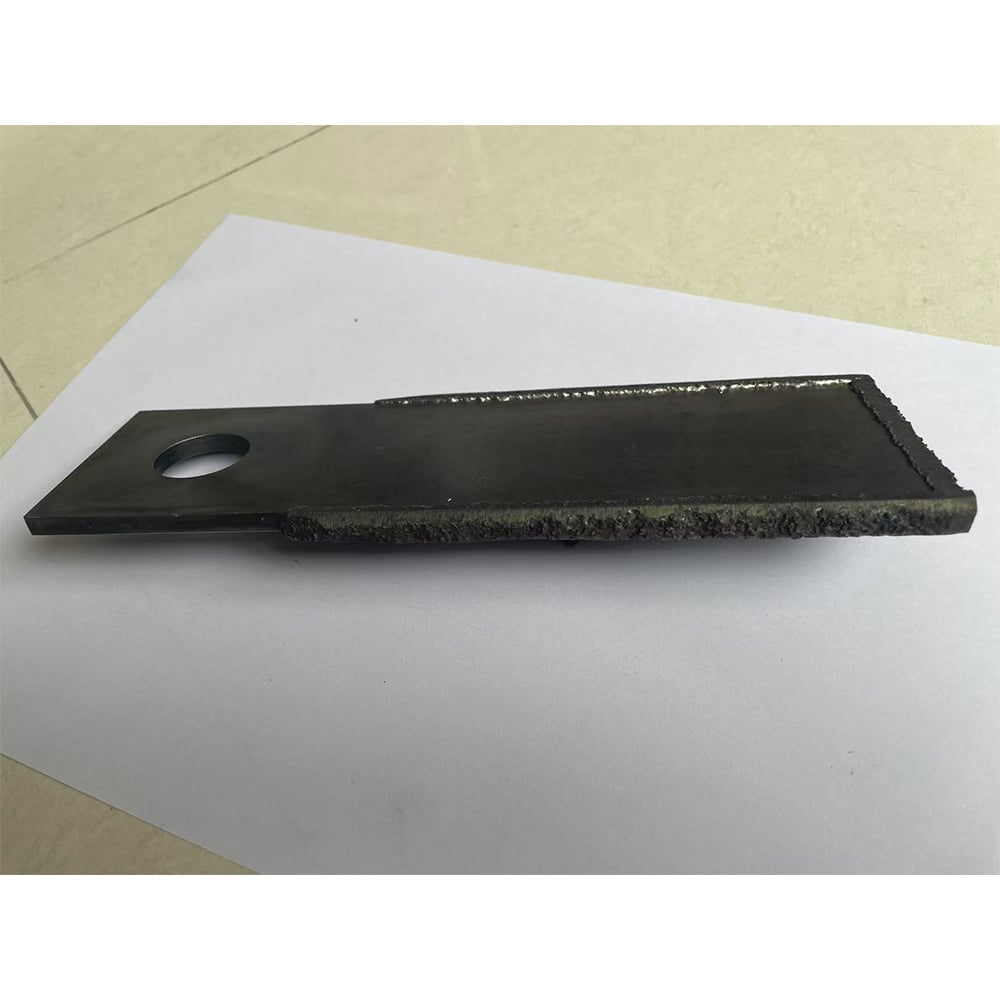
Sanoat chang’utlari — bu bir nechta ishlab chiqarish sohalarida materiallarni qayta ishlash operatsiyalarida eng ko‘p qo‘llaniladigan va eng muhim vositalardan biridir. Bu mustahkam mexanik qurilmalar raw materiallarni boshqariladigan urish kuchlari orqali qayta ishlash, shakllantirish va foydali shaklga keltirish vazifasini bajaradi. Sanoat chang’utlarining materiallarni qayta ishlashdagi turli qo‘llanilish sohalarini tushunish ishlab chiqaruvchilarga operatsiyalarni optimallashtirish, samaradorlikni oshirish va aniq ishlab chiqarish talablari uchun eng mos jihozlarni tanlash imkonini beradi.
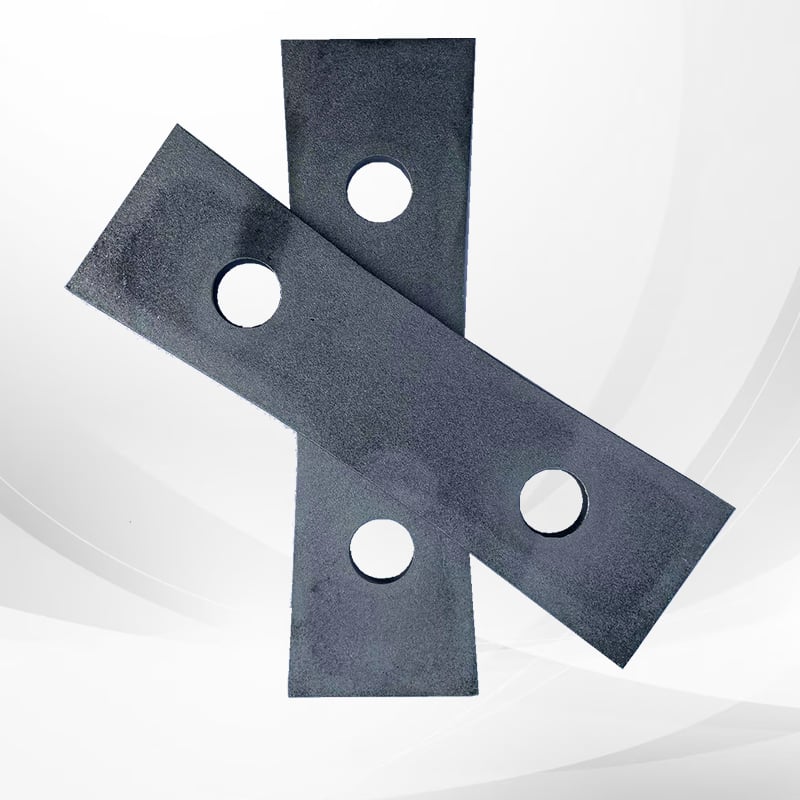
Sanoat hamirlarining materialni qayta ishlashdagi qo'llanilishi oddiy maydalash operatsiyalaridan ancha kengroq bo'lib, konchilik va sement ishlab chiqarishdan tortib, qayta ishlash va farmatsevtika ishlab chiqarishgacha bo'lgan turli sohalarda o'lchamni kamaytirish, zarrachalarni tasniflash va sirtlarni qayta ishlash kabi murakkab jarayonlarni o'z ichiga oladi. Zamonaviy sanoat hamirlari aniq urish energiyasini ta'minlash uchun ilg'or muhandislik prinsiplarini qo'llaydi, bu esa materialning doimiy o'zgarishini ta'minlaydi va talabqiluvchi ishlab chiqarish muhitida operatsion ishonchlilikni saqlaydi.
Birinchi darajali maydalash va o'lchamni kamaytirish qo'llanilishi
Ko'mir va mineral qayta ishlash operatsiyalari
Sanoat qurg'ochlari ko'mir tayyorlash zavodlarida turli oxirgi foydalanish uchun kerakli o'lchamdagi fraksiyalarga ko'mirni maydalashda asosiy ahamiyatga ega. Bu qo'llanishlar abraziv materiallarni qayta ishlash qobiliyatiga ega bo'lgan va doimiy zarracha o'lchami taqsimotini saqlay oladigan qurg'ochlarni talab qiladi. Maydalash jarayoni bir necha bosqichdan iborat bo'lib, sanoat qurg'ochlari katta ko'mir qismlarini kuchlanish hosil qilish, po'lat ishlab chiqarish yoki kimyoviy qayta ishlash uchun mos kichik zarrachalarga aylantiradi.
Ko'pincha qimmatbaho metallarga ega konlarni birinchi darajali maydalashda mineral qayta ishlash ob'ektlarida sanoat qurg'ochlari keng qo'llaniladi: mis, temir va oltin. Qurg'ochlar turli qattiqlik darajasiga va abraziv xususiyatlariga ega materiallarni qayta ishlash paytida juda katta urish kuchlariga chidashga majbur. Bu qo'llanishlarda odatda kuniga minglab tonna material qayta ishlanadi, shu sababli qurg'ochlar qattiq sharoitda uzluksiz ishlash uchun mo'ljallangan bo'lishi kerak.
Sanoat qurg'ochlari samaradorligi mineral qayta ishlashda qurg'ochlar dizayni, material tanlovi va texnik xizmat ko'rsatish jadvallariga katta darajada bog'liq. Zamonaviy korxonalar qurg'och uchlarini almashtirish va xizmat muddatini uzaytirish, shuningdek, qurg'ochlarni almashtirish paytidagi ishlab chiqarish to'xtashlarini kamaytirish uchun almashtiriladigan qurg'och uchlaridan va ilg'or qotishmali tarkiblardan foydalanmoqda.
Sement va agregat ishlab chiqarish
Sement ishlab chiqarish sanoat qurg'ochlarining materiallarni qayta ishlashdagi eng keng qo'llaniladigan sohalaridan biridir; bu asboblar o'choqga beriladigan mayda zarralarga aylantirish uchun gips, gil va boshqa xom ashyolarni maydalaydi. Maydalash jarayoni sement klinkeri hosil bo'lishi paytida to'g'ri kimyoviy reaksiyalarga ta'minlash uchun aniq zarracha o'lchamlari taqsimotini amalga oshirishi kerak. Sement ishlab chiqarishda ishlatiladigan sanoat qurg'ochlari odatda soatiga yuzlab tonna materialni qayta ishlaydigan yuqori quvvatli millarda ishlaydi.
Aggregat ishlab chiqarish korxonalarida turli xil tosh turlarini qurilish materiallariga aylantirish uchun sanoat changyutgichlari keng qo'llaniladi. Bu sohalarda zarur bo'lgan changyutgichlar doimiy zarrachalar shakli va o'lchamini ta'minlashi hamda noqulay mayda zarrachalar hosil bo'lishini minimal darajada kamaytirishi kerak. sanoat changyutgichlari aggregatlarni qayta ishlashda foydalaniladigan changyutgichlar energiyaning samarali uzatilishini va maksimal mahsulot sifatini ta'minlash uchun urish chetlarining o'tkirliklarini saqlab turishi kerak.
Sement va agregat sohalarida sifat nazorati mahsulot parametrlarini saqlash uchun changyutgichlarning aniq joylashuvini ta'minlash va ularni muntazam ravishda tekshirish rejalarini amalga oshirishni talab qiladi. Zamonaviy korxonalar ishlatilish jarayonidagi yeyilish namunalarni kuzatib boruvchi va almashtirish muddatlarini bashorat qiluvchi avtomatlashtirilgan changyutgich monitoring tizimlarini joriy etmoqdalar.
Qayta ishlash va chiqindilarni qayta ishlash sohalari
Metallni qayta tiklash operatsiyalari
Sanoat hammerlari metall qayta ishlash operatsiyalarida murakkab montajlarni ajratiladigan komponentlarga parchalashda muhim vazifalarni bajaradi. Avtomobil qayta ishlash korxonalarida avtomobil tanasi, dvigatellar va boshqa komponentlarni parchalash uchun maxsus sanoat hammerlaridan foydalaniladi; bu esa temir va temirdan boshqa metallarni samarali ajratish imkonini beradi. Bu qo'llanishlar turli xil material zichliklari va tuzilma murakkabliklarini qayta ishlashga mo'ljallangan, shuningdek, operator xavfsizligini ta'minlaydigan hammerlarni talab qiladi.
Elektron chiqindilarni qayta ishlash — sanoat hammerlarining kengayib borayotgan qo'llanish sohasidir; bunda ushbu asboblar qimmatbaho metallarni (oltin, kumush va noyob yer elementlarini) tiklash maqsadida pechat platalari, kompyuter komponentlari va iste'molchilik elektronikasini parchalaydi. Bu operatsiyalarda talab qilinadigan aniqlik sanoat hammerlarini boshqariladigan parchalanishni ta'minlash va sezgir materiallarga zarar yetkazishi mumkin bo'lgan ortiqcha issiqlik hosil qilmaslik qobiliyatini talab qiladi.
Mis simlarni qayta ishlash operatsiyalarida mis o'tkazgichlarni plastik izolyatsiya materiallaridan ajratish uchun sanoat hammerlari keng qo'llaniladi. Bu jarayon mis donalarini ortiqcha hosil qilmasdan tozalashni ta'minlash uchun urish energiyasini ehtiyotkorlik bilan sozlashni talab qiladi, chunki bu qayta ishlash samaradorligini pasaytiradi.
Qurilish chiqindilarini qayta ishlash
Qurilish va demontaj chiqindilarini qayta ishlash ob'ektlari beton inshootlarni, asfal't qoplamalarni va aralash qurilish chiqindilarini qayta ishlanadigan agregat materiallariga aylantirish uchun sanoat hammerlaridan foydalanadi. Bu qo'llanishlar po'lat armatura tutuvchi mustahkam betonni qayta ishlashga qodir bo'lgan, shuningdek, qurilish sohasida qo'llanishga mos doimiy zarracha o'lchamlarini hosil qiladigan mustahkam hammerlarni talab qiladi.
Asfaltni qayta ishlash operatsiyalari yangi yo'l qurish uchun mos keladigan qayta foydalaniladigan asfaltpavement (RAP) olish uchun sanoat hammerlaridan eski pavement materiallarini qayta ishlashda foydalanadi. Maydalash jarayoni zarrachalar hajmi taqsimotini ehtiyotkorlik bilan nazorat qilish va asfaltni bog'lovchi moddaning yo'l qoplamasi ishlashi uchun zarur xususiyatlarini buzishi mumkin bo'lgan isitilishni oldini olishi kerak.
Qurilish chiqindilarini qayta ishlashda ishlatiladigan sanoat hammerlari beton va g'isht inshootlariga singdirilgan yog'och, plastik va metall komponentlar kabi turli xil materiallardan kelib chiqqan ifloslanishni qabul qilishi kerak. Rivojlangan filtratsiya va ajratish tizimlari qayta ishlangan tozalangan agregatlarni qurilish talablarga mos ravishda ishlab chiqarish uchun hammer millari bilan birgalikda ishlaydi.
Maxsus materiallarni qayta ishlash sohalari
Dori va kimyo ishlovchilik
Dorivorlar ishlab chiqarishda faol dorivor moddalar va yordamchi moddalarni hajmini kamaytirish uchun sanoat maydalagichlari qo'llaniladi; bu jarayon mahsulotning tozaligi va samaradorligini saqlash maqsadida qat'iy nazorat qilinadigan sharoitlarda amalga oshiriladi. Bu sohalarda dorivor sanoatida foydalanishga ruxsat etilgan materiallardan yasalgan, sirti silliq bo'lib, ishlab chiqarish partiyalari orasida chuqur tozalash va sanitariya qilishni osonlashtiruvchi maydalagichlar talab qilinadi.
Kimyoviy ishlab chiqarish korxonalarida kristall moddalarni, polimerlarni va kimyoviy o'rtacha mahsulotlarni keyingi ishlov berish uchun kerakli zarrachalar o'lchamiga etkazish maqsadida sanoat maydalagichlari qo'llaniladi. Bu sohalarda ko'pincha harorat ko'tarilishiga nozik bo'lgan moddalar ishlatiladi; shu sababli maydalash jarayonida issiqlik hosil bo'lishini minimal darajada kamaytiruvchi maydalagichlar loyihalangan.
Dorivor va kimyo sanoati sohasidagi changlar bilan ishlashda, zarrachalar o'lchamining tor tarqalishini ta'minlaydigan va g'ildiraklarning yeyilishidan kelib chiqqan kontaminatsiyani oldini oladigan sanoat maydalagichlari talab qilinadi. Maxsus qoplam texnologiyalari va doimiy g'ildiraklarni tekshirish protokollari mahsulot sifatini va normativ talablarga moslikni ta'minlaydi.
Oziq-ovqat va qishloq xo'jaligi sohasida qayta ishlash
Oziq-ovqat sanoati donlar, ziravorlar va boshqa qishloq xo'jaligi mahsulotlarini ma'lum bir zarracha o'lchamiga ega bo'lishi kerak bo'lgan qayta ishlash uchun sanoat maydalagichlaridan foydalanadi. Bu sohalarda qat'iy oziq-ovqat xavfsizligi standartlariga rioya qilish talab qilinadi; shu sababli maydalagichlar bakterial kontaminatsiyaga chidamli va to'liq tozalashni qo'llab-quvvatlaydigan oziq-ovqat darajasidagi materiallardan tayyorlanishi kerak.
Sanoat g'altaklari uchun hayvon oziq-ovqati ishlab chiqarish muhim qo'llanilish sohasidir; bu asboblar mazkur vositalar orqali don, soya, shuningdek boshqa oziq-ovqat komponentlarini turli xil chorva hayvonlari uchun mos hajmda maydalaydi. Maydalash jarayoni hayvonlarning oshqozon-ichak sistemasi uchun optimal zarralar hajmini ta'minlash bilan birga, oziq-ovqatning ozuqa qiymatini saqlab qolishni talab qiladi.
Oziq-ovqat sanoatida qo'llaniladigan sanoat g'altaklari ko'pincha metall ifloslanishlarni olib tashlash uchun magnit ajratish tizimlari va gigienik ishlab chiqarish sharoitlarini saqlab qolish uchun chang yig'ish tizimlari kabi maxsus xususiyatlarga ega bo'ladi. Muntazam texnik xizmat ko'rsatish rejimi oziq-ovqat xavfsizligiga rioya qilishni va jihozlar bilan bog'liq ifloslanish muammolarini oldini olishni ta'minlaydi.
Yukori darajali qayta ishlash va maxsus qo'llanilish sohalari
Biomassa va qayta tiklanadigan energiya qayta ishlashi
Biomassa qayta ishlash obyektlari pelletlar ishlab chiqarish va to'g'ridan-to'g'ri yonish qo'llanilishlari uchun yog'och chipslari, qishloq xo'jaligi chiqindilari va energiya ekinlarini o'lchamini belgilashda sanoat cho'ziqlaridan keng foydalanadi. Bu jarayonlar yonish samaradorligini va pellet sifatini optimallashtirish uchun doimiy zarracha o'lchamlarini hosil qiluvchi, namlik miqdori turlicha bo'lgan tolali materiallarni qayta ishlashga qodir cho'ziqlarni talab qiladi.
Biomassa sohasidagi sanoat cho'ziqlari namlik miqdori, tolalar uzunligi va siqilish xatti-harakatiga ta'sir qiluvchi zichlikdagi o'zgarishlar kabi oziq moddalarning mavsumiy xususiyatlariga mos kelishi kerak. Ilg'or cho'zil dizaynlari turli oziq moddalarga mos ravishda ishlashni optimallashtirish uchun sozlanadigan urish mexanizmlarini o'z ichiga oladi.
Qayta tiklanadigan energiya sohasidagi qo'llanmalar bioraziyaga o'tkazish samaradorligini optimallashtirish va jarayon davomida organik moddalarning butunligini saqlash uchun organik chiqindilarni biogazga aylantirish uchun sanoat g'altaklariga (hammers) nisbatan o'sib borayotgan ehtiyojni anglatadi.
Maxsus materiallarga oid qo'llanmalar
Sanoat g'altaklari (hammers) uglerod tolali kompozitlar, keramika materiallari va ilg'or polimer tizimlari kabi maxsus materiallarni qayta ishlashda noyob qo'llanmalarga ega. Bu qo'llanmalar materiallarning juda qattiq yoki shishiluvchan xususiyatlarini qayta ishlashga qodir bo'lgan, shuningdek, aniq o'lchovli nazoratni saqlaydigan maxsus g'altak dizaynlarini talab qiladi.
Aerospace va avtomobil sanoati yuqori samaradorlikka ega ilg'or qo'llanishlar uchun materialni qayta ishlash va qayta foydalanish imkonini beruvchi, ifloslanishsiz qayta ishlashni talab qiladigan uglerod tolali chiqindilarni qayta ishlash hamda trim materiallarini ishlab chiqarish uchun sanoat changutlaridan foydalanadi. Qayta ishlash parametrlari material qiymatini saqlash uchun tolalar uzunligi va tuzilma butunligini saqlashni ta'minlashi kerak.
Tadqiqot va rivojlantirish sohalari kichik miqyosli material qayta ishlash tajribalarida sanoat changutlaridan foydalanadi; bu esa turli xil material xususiyatlari va qayta ishlash maqsadlariga mos keladigan moslashtiriladigan changut konfiguratsiyalarini talab qiladi, shu bilan birga zarrachalar o'lchami taqsimoti va qayta ishlash sharoitlari ustidan aniq nazoratni saqlashni ta'minlaydi.
Tez-tez so'raladigan savollar
Qanday omillar ma'lum bir material qayta ishlash qo'llanishlari uchun sanoat changutlarini tanlashni belgilaydi?
Sanoat changyutgichlarining tanlovi materialning qattiqlik darajasi, abrazivlik darajasi, namlik miqdori, talab qilinadigan zarrachalar o'lchami taqsimoti, ishlov berish quvvati va kontaminatsiya sezgirlik kabi bir nechta muhim omillarga bog'liq. Materialning shaffoflik darajasi, chidamliligi va kimyoviy faolligi changyutgichlar konstruksiyasiga ta'sir qiladi, shu bilan birga ishlab chiqarish hajmi va sifat talablari mos changyutgich konfiguratsiyasini va texnik xizmat ko'rsatish muddatlarini belgilaydi.
Sanoat changyutgichlari yuqori hajmli ishlov berish operatsiyalarida doimiy ishlash samaradorligini qanday saqlaydi?
Sanoat hammarlari doimiy ishlashini tizimli texnik xizmat ko'rsatish dasturlari, muntazam tekshiruv jadvallari va yaxshi ishlatilgan komponentlarni oldindan almashtirish orqali saqlaydi. Yuqori darajadagi nazorat tizimlari hammarlarning yeyilish namunalari, tebranish darajalari va quvvat iste'moli haqida ma'lumot to'playdi, bu esa texnik xizmat ko'rsatish talablarini bashorat qilish va kutilmagan jihoz nosozliklarini oldini olish imkonini beradi. Hammarlarning to'g'ri muvozanatlanishi va tekislanishi materiallarni bir xil qilishni ta'minlaydi va jihozning foydalanish muddatini uzartiradi.
Material qayta ishlash korxonalariда sanoat hammarlaridan foydalanganida qanday xavfsizlik jihatlarini hisobga olish kerak?
Sanoat hammarlaridan foydalanganida xavfsizlik jihatlariga jihozning to'g'ri qo'riqlanishi, changni nazorat qilish tizimlari, shovqinni kamaytirish choralari va barcha operatorlarga mo'ljallangan tushunarli o'quv dasturlari kiradi. Muntazam xavfsizlik tekshiruvlari hammar ulagichlarining, himoya panjaralarining va favqulodda o'chirish tizimlarining butunligini tekshiradi. To'g'ri shaxsiy himoya vositalaridan foydalanish hamda texnik xizmat ko'rsatish va ta'mirlash ishlari davomida bloklovka/belgilash protseduralariga rioya qilish operatorlarning xavfsizligini ta'minlaydi.
Atmosferaga ta'sir qiluvchi me'yoriy-huquqiy hujjatlar materialni qayta ishlashda sanoat changutlarining qo'llanilishiga qanday ta'sir ko'rsatadi?
Atmosferaga ta'sir qiluvchi me'yoriy-huquqiy hujjatlar chang chiqarish chegaralari, shovqin cheklovlari va chiqindilarni boshqarish talablari orqali sanoat changutlarining qo'llanilishiga keng ko'lamli ta'sir ko'rsatadi. Zamonaviy changut o'rnatmalariga atmosferaga ta'sir qiluvchi me'yoriy-huquqiy hujjatlarga mos kelish uchun ilg'or chang yig'ish tizimlari, shovqin izolyatsiyasi g'ildiraklari va tebranishni izolyatsiya qilish choralari kiritilgan. Barqaror qayta ishlash amaliyotlari energiya samaradorligini, materiallarni tiklashni optimallashtirishni va qayta ishlash jarayonida chiqindilarning hosil bo'lishini minimal darajada kamaytirishni ta'kidlaydi.
Mundarija
- Birinchi darajali maydalash va o'lchamni kamaytirish qo'llanilishi
- Qayta ishlash va chiqindilarni qayta ishlash sohalari
- Maxsus materiallarni qayta ishlash sohalari
- Yukori darajali qayta ishlash va maxsus qo'llanilish sohalari
-
Tez-tez so'raladigan savollar
- Qanday omillar ma'lum bir material qayta ishlash qo'llanishlari uchun sanoat changutlarini tanlashni belgilaydi?
- Sanoat changyutgichlari yuqori hajmli ishlov berish operatsiyalarida doimiy ishlash samaradorligini qanday saqlaydi?
- Material qayta ishlash korxonalariда sanoat hammarlaridan foydalanganida qanday xavfsizlik jihatlarini hisobga olish kerak?
- Atmosferaga ta'sir qiluvchi me'yoriy-huquqiy hujjatlar materialni qayta ishlashda sanoat changutlarining qo'llanilishiga qanday ta'sir ko'rsatadi?