 EN
EN
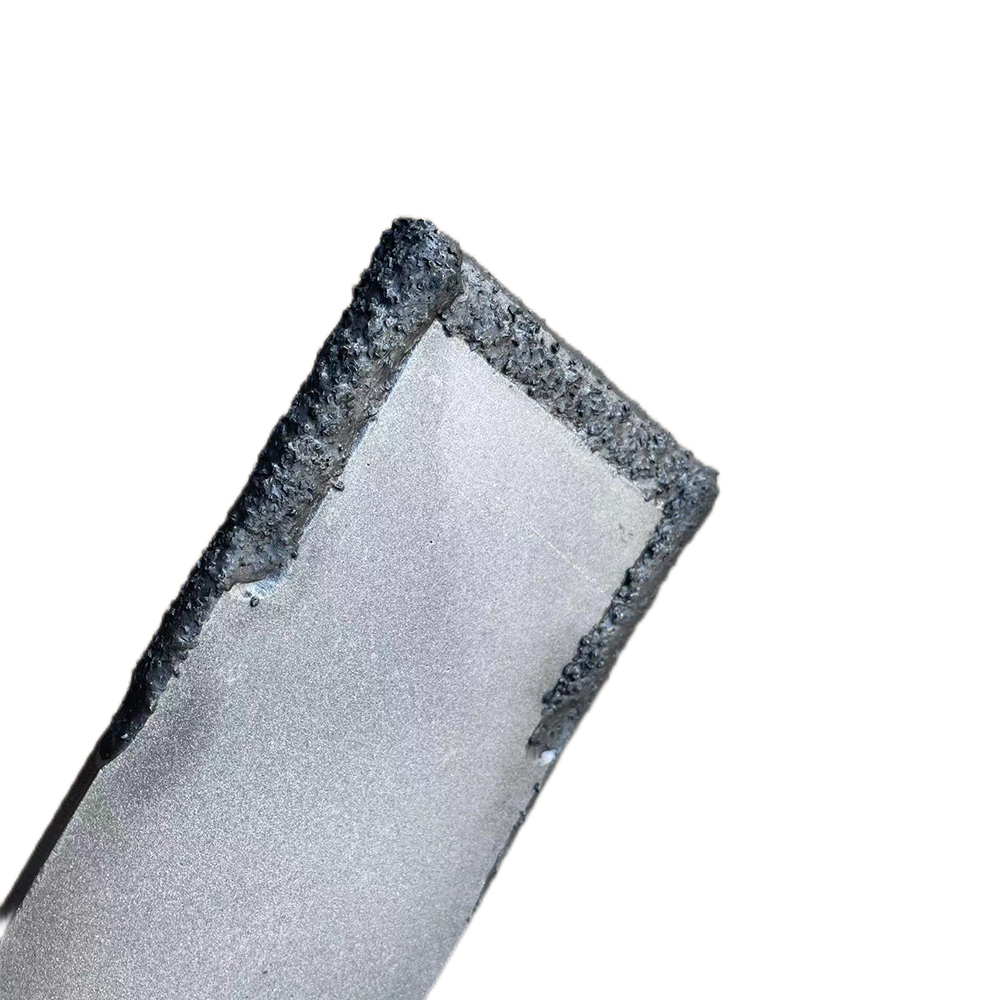
Tak, specyfikacje płaszcza wału są często źle rozumiane podczas doboru sprzętu, co prowadzi do kosztownych błędów w zastosowaniach przemysłowych. Wiele zespołów ds. zaopatrzenia i inżynierów koncentruje się głównie na podstawowych wymiarach i gatunkach materiałów, pomijając krytyczne parametry wydajności, które bezpośrednio wpływają na wydajność operacyjną. To powszechne nieporozumienie wynika z niekompletnej dokumentacji technicznej, niewystarczającej komunikacji z dostawcami oraz złożonej zależności między różnymi elementami specyfikacji, które wpływają na rzeczywiste wyniki wydajności.
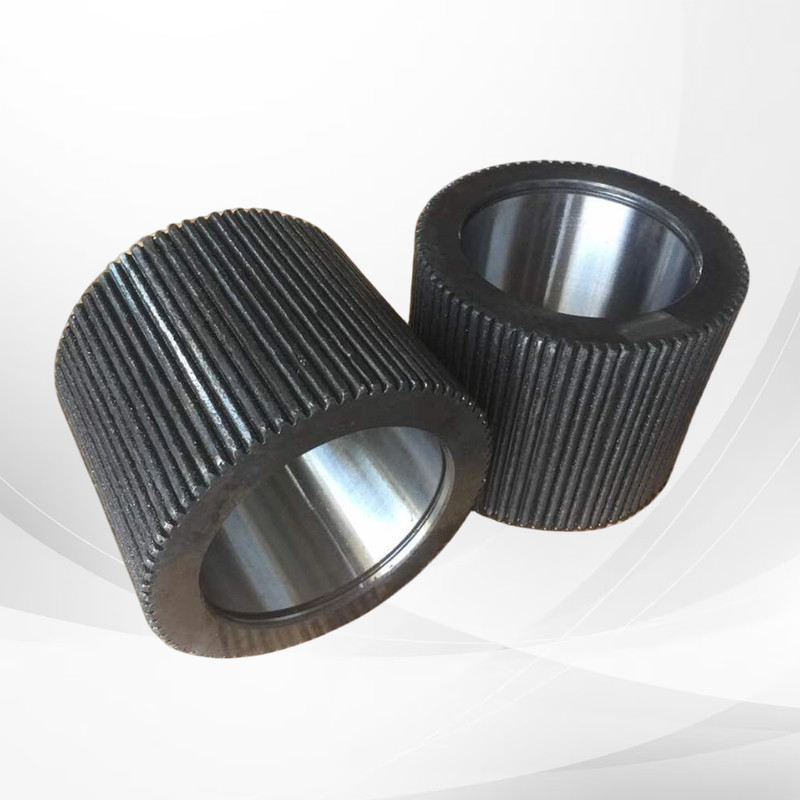
Skutki błędnej interpretacji specyfikacji korpusów wałków walcujących wykraczają poza natychmiastowe trudności operacyjne i wpływają na długoterminową niezawodność sprzętu, koszty konserwacji oraz wydajność produkcji. Zrozumienie przyczyn, dla których te specyfikacje są często źle interpretowane, oraz sposobów uniknięcia takich pułapek jest kluczowe przy podejmowaniu świadomych decyzji dotyczących doboru sprzętu. Niniejsza analiza bada podstawowe przyczyny nieporozumień związanych ze specyfikacjami oraz zawiera praktyczne wskazówki dotyczące ich poprawnej interpretacji i zastosowania w środowiskach przemysłowych.
Częste źródła nieporozumień dotyczących specyfikacji
Niekompletne dokumenty techniczne
Jedną z głównych przyczyn niezrozumienia specyfikacji korpusów wałków jest niewystarczająca lub niepełna dokumentacja techniczna dostarczana przez producentów. Wielu dostawców podaje jedynie podstawowe dane wymiarowe oraz informacje dotyczące materiału, nie wyjaśniając przy tym praktycznych konsekwencji poszczególnych wyborów specyfikacji. Tak powierzchowne podejście pozostawia zakupujących urządzenia bez wystarczającego kontekstu umożliwiającego zrozumienie, jak różne specyfikacje korpusów wałków będą się zachowywać w ich konkretnych warunkach eksploatacyjnych.
Karty danych technicznych często pomijają kluczowe informacje dotyczące współczynników rozszerzalności cieplnej, dopuszczalnych chropowatości powierzchni oraz zdolności do przenoszenia obciążeń dynamicznych. Bez takich kompleksowych danych inżynierowie nie są w stanie dokonać dokładnej oceny, czy konkretne specyfikacje korpusów wałków spełnią wymagania ich zastosowania. Brak szczegółowych krzywych charakterystyk i definicji obszarów pracy jeszcze bardziej pogłębia ten problem, utrudniając przewidywanie rzeczywistego zachowania sprzętu.
Ponadto wiele producentów nie wyjaśnia zależności między różnymi parametrami specyfikacji oraz ich łącznego wpływu na wydajność. Na przykład oddziaływanie między wartościami twardości, obróbką powierzchniową i tolerancjami wymiarowymi znacząco wpływa na wzorce zużycia i czas eksploatacji, jednak tę wzajemną powiązaną naturę specyfikacji powłok wałków rolkowych rzadko wyjaśnia się w standardowej dokumentacji.
Niejasna terminologia i normy
Sektor sprzętu przemysłowego cierpi na skutek niespójnego stosowania terminologii przez różnych producentów i w różnych regionach, co powoduje znaczne zamieszanie przy interpretowaniu specyfikacji powłok wałków rolkowych. Pojęcia takie jak „klasa standardowa”, „jakość premium” czy „wytrzymałość przemysłowa” mają różne znaczenia w zależności od dostawcy, co czyni bezpośrednie porównanie dostępnych opcji wyjątkowo trudnym. Ta semantyczna niejednoznaczność prowadzi do niezgodności oczekiwań oraz nieodpowiedniego doboru sprzętu.
Dodatkowo na produkcję korpusów wałków obwodowych stosowane są różne normy międzynarodowe, jednak nie wszyscy dostawcy jednoznacznie wskazują, które z tych norm spełniają ich produkty. Różnice między normami ASTM, DIN, JIS oraz innymi normami krajowymi mogą być istotne i dotyczyć wszystkiego – od tolerancji wymiarowych po właściwości materiałów. Gdy specyfikacje korpusów wałków odnoszą się jednocześnie do wielu norm lub wykorzystują własnowytworzone systemy klasyfikacji, ryzyko błędnej interpretacji wzrasta znacznie.
Oznaczenia gatunków materiałów stanowią kolejne źródło nieporozumień, ponieważ podobne nazwy klasyfikacji z różnych norm mogą oznaczać całkowicie odmienne właściwości. Na przykład gatunek stali, który wydaje się równoważny na podstawie swojej nazwy, może mieć istotnie różną twardość, odporność na korozję lub stabilność cieplną w zależności od dostawcy lub normy, według której został wyprodukowany.
Kluczowe elementy specyfikacji często pomijane
Parametry obróbki powierzchniowej i powłok
Obróbka powierzchniowa i powłoki stanowią jedną z najczęściej źle zrozumianych kwestii dotyczących specyfikacji korpusów wałków, mimo że mają kluczowy wpływ na ich wydajność w większości zastosowań przemysłowych. Wielu zakupujących koncentruje się wyłącznie na właściwościach materiału podstawowego, zbyt mało uwagi poświęcając metodom przygotowania powierzchni, rodzajom powłok oraz parametrom ich nanoszenia. Pominięcie tych aspektów może prowadzić do przedwczesnego uszkodzenia, zwiększenia zapotrzebowania na konserwację oraz nieoptymalnej pracy urządzenia.
Wymagania dotyczące chropowatości powierzchni, na przykład, mają bezpośredni wpływ na charakterystykę tarcia, wzorce zużycia oraz skuteczność systemów smarowania. Jednak wiele specyfikacji powłok wałków albo w ogóle pomija te parametry, albo podaje je bez wystarczającego kontekstu dotyczącego ich znaczenia eksploatacyjnego. Zrozumienie, w jaki sposób wykańczanie powierzchni oddziałuje na warunki pracy, ciśnienia kontaktowe oraz czynniki środowiskowe, jest kluczowe przy prawidłowym doborze sprzętu.
Wymagania dotyczące grubości powłoki stanowią kolejny często źle zrozumiany element, ponieważ zakupujący często zakładają, że grubsze powłoki zapewniają zawsze lepszą ochronę. W rzeczywistości optymalna grubość powłoki zależy od konkretnych wymagań aplikacyjnych, właściwości podłoża oraz przewidywanych warunków eksploatacji. Specyfikacje powłok wałków muszą uwzględniać równowagę między wydajnością powłoki a dokładnością wymiarową oraz rozważaniami związanymi z rozszerzalnością cieplną.
Dynamiczne obciążenia dopuszczalne i granice zmęczenia
Dynamiczne obciążenia dopuszczalne i charakterystyki zmęczeniowe korpusów wałków rolkowych są często pomijane podczas przeglądu specyfikacji, mimo ich kluczowego znaczenia dla trwałości sprzętu. Oceny statycznego nośności obciążeniowej dostarczają jedynie ograniczonej wiedzy na temat rzeczywistych możliwości wydajnościowych, ponieważ większość zastosowań przemysłowych wiąże się ze zmiennymi obciążeniami, naprężeniami cyklicznymi oraz dynamicznymi warunkami eksploatacyjnymi, wymagającymi zastosowania innych podejść analitycznych.
Obliczenia trwałości zmęczeniowej zależą od wielu czynników, w tym wielkości obciążenia, jego częstotliwości, punktów koncentracji naprężeń oraz warunków środowiskowych. Wiele specyfikacji korpusów wałków rolkowych nie zawiera wystarczających danych dotyczących zmęczenia lub przedstawia je w formatach trudnych do zinterpretowania w kontekście konkretnych wymagań aplikacyjnych. Brak przejrzystości prowadzi w niektórych przypadkach do nadmiernie konserwatywnego nadwymiarowania, a w innych – do niebezpiecznego niedowymiarowania.
Wpływ temperatury na wydajność dynamiczną stanowi kolejny często niezrozumiany aspekt specyfikacji powłok wałków. Właściwości materiału ulegają znaczącym zmianom wraz z wahaniem temperatury, co wpływa na nośność obciążenia, stabilność wymiarową oraz odporność na zmęczenie. Specyfikacje, które nie uwzględniają zakresów temperatur roboczych ani skutków cykli termicznych, zapewniają niekompletne wskazówki przy podejmowaniu decyzji dotyczących doboru sprzętu.
Wpływ błędnego zrozumienia specyfikacji na wydajność sprzętu
Skutki dla efektywności operacyjnej
Gdy specyfikacje powłok wałków są niepoprawnie rozumiane lub niewłaściwie stosowane, wynikające z tego problemy z wydajnością sprzętu mogą poważnie obniżyć efektywność operacyjną w wielu obszarach. Nieprawidłowe specyfikacje twardości, na przykład, mogą prowadzić do nadmiernych tempa zużycia, wzrostu strat spowodowanych tarciem oraz obniżenia efektywności przekazywania mocy. Te problemy nasilają się w czasie, wywołując skutki łańcuchowe wpływające na całe systemy produkcyjne.
Nieporozumienia dotyczące dokładności wymiarowej często prowadzą do nieprawidłowego dopasowania, nadmiernych luzów lub warunków zakleszczenia, co kompromituje funkcjonowanie sprzętu. Takie problemy przejawiają się w postaci zwiększonej wibracji, generowania hałasu oraz przyspieszonego zużycia elementów. Skumulowany wpływ tych problemów obniża ogólną skuteczność sprzętu i zwiększa czas nieplanowanego postoju, co bezpośrednio wpływa na wskaźniki produktywności oraz koszty operacyjne.
Zgodność smarowania stanowi kolejną dziedzinę, w której nieporozumienia dotyczące specyfikacji powodują wyzwania operacyjne. Specyfikacje powłok wałków, które nie uwzględniają w odpowiedni sposób obróbki powierzchniowej, zgodności materiałów ani zakresów temperatur roboczych, mogą prowadzić do awarii systemów smarowania. Takie awarie często pozostają niezauważone na wczesnym etapie, lecz stopniowo pogarszają wydajność sprzętu aż do wystąpienia awarii katastrofalnej.
Wpływ na koszty konserwacji i całkowitego cyklu życia
Nieporozumienia dotyczące specyfikacji obudów wałków prowadzą często do zwiększenia zapotrzebowania na konserwację oraz skrócenia cyklu życia sprzętu, co wiąże się ze znacznymi kosztami dla operacji przemysłowych. Komponenty dobrane na podstawie niekompletnych lub błędnie zinterpretowanych specyfikacji charakteryzują się zwykle przyspieszonymi wzorami zużycia, wymagając częstszych przeglądów, regulacji i wymian niż odpowiednio dobrana alternatywa.
Związek między decyzjami dotyczącymi początkowej specyfikacji a długoterminowymi kosztami konserwacji jest często niedoszacowany w trakcie procesu doboru sprzętu. Wysokiej klasy specyfikacje obudów wałków, które wydają się drogie na etapie zakupu, mogą generować istotną wartość w całym cyklu życia dzięki zmniejszonej częstotliwości konserwacji, wydłużonym interwałom serwisowym oraz poprawie niezawodności. Z kolei specyfikacje wybierane głównie pod kątem początkowych kosztów zakupu często prowadzą do wyższych całkowitych kosztów posiadania ze względu na zwiększone zapotrzebowanie na konserwację.
Nieoczekiwane awarie związane ze specyfikacjami mogą również wywoływać sytuacje konieczności konserwacji awaryjnej, których koszty są wykładniczo wyższe niż koszty zaplanowanych działań konserwacyjnych. Te niezaplanowane interwencje wiążą się nie tylko z wyższymi kosztami bezpośrednimi, ale także powodują zakłócenia w produkcji, które wielokrotnie zwiększają skutki ekonomiczne pierwotnego błędu w specyfikacji.
Najlepsze praktyki w zakresie dokładnej interpretacji specyfikacji
Kompleksowe procesy technicznej przeglądu
Wdrożenie kompleksowych procesów technicznego przeglądu pozwala zminimalizować ryzyko nieporozumień dotyczących specyfikacji korpusów wałków i zapewnia bardziej precyzyjne decyzje dotyczące doboru sprzętu. Procesy te powinny obejmować zespoły wielodyscyplinarne, w skład których wchodzą inżynierowie projektowi, specjaliści ds. konserwacji oraz personel operacyjny, pozwalający na ocenę specyfikacji z różnych punktów widzenia oraz wykrywanie potencjalnych problemów jeszcze przed zakupem sprzętu.
Wprowadzenie ustandaryzowanych list kontrolnych do przeglądu specyfikacji pomaga zapewnić, że wszystkie kluczowe parametry otrzymują należytą uwagę w trakcie procesów oceny. Takie listy kontrolne powinny obejmować nie tylko podstawowe wymagania dotyczące wymiarów i materiałów, ale także charakterystyki dynamicznej wydajności, czynniki środowiskowe oraz aspekty dostępności serwisu, które wpływają na długotrwały sukces wyposażenia.
Regularne spotkania przeglądowe specyfikacji pomiędzy zespołami wewnętrznymi a dostawcami zewnętrznymi zapewniają możliwość wyjaśnienia niejasnych informacji, żądania dodatkowych danych technicznych oraz zweryfikowania, czy wszystkie strony mają wspólne zrozumienie wymagań. Takie współpraca często ujawnia luki w specyfikacjach lub ich błędne interpretacje, które mogłyby pozostać niezauważone aż do faz wprowadzania wyposażenia do eksploatacji lub jego użytkowania.
Strategie komunikacji i weryfikacji z dostawcami
Skuteczna komunikacja z dostawcami obudów wałków rolkowych wymaga zorganizowanych podejść wykraczających poza podstawowe potwierdzenie specyfikacji i obejmujących szczegółowe dyskusje techniczne dotyczące wymagań aplikacyjnych oraz oczekiwań dotyczących wydajności. Zakupujący powinni przygotować kompleksowe profile zastosowań, które w wystarczającym stopniu opisują warunki eksploatacji, wymagania dotyczące wydajności oraz oczekiwania co do niezawodności, umożliwiając tym samym sensowną dialog techniczny.
Wymaganie szczegółowych uzasadnień technicznych dotyczących zalecanych specyfikacji obudów wałków rolkowych pozwala zidentyfikować potencjalne nieporozumienia oraz zapewnia, że rekomendacje dostawcy są zgodne z rzeczywistymi wymaganiami aplikacyjnymi. Takie uzasadnienia powinny wyjaśniać, w jaki sposób poszczególne elementy specyfikacji rozwiązują istniejące wyzwania operacyjne oraz przyczyniają się do osiągnięcia ogólnych celów wydajności sprzętu.
Weryfikacja techniczna przeprowadzana przez niezależną stronę zewnętrzną może zapewnić wartościową, niezależną ocenę specyfikacji powłoki wałka, szczególnie w przypadku zastosowań krytycznych, w których błędy w specyfikacji mogłyby mieć poważne skutki.
Często zadawane pytania
Jakie parametry specyfikacji powłoki wałka są najczęściej źle rozumiane?
Najczęściej źle rozumianymi parametrami specyfikacji powłoki wałka są szczegóły obróbki powierzchniowej, nominalne obciążenia dynamiczne, współczynniki rozszerzalności cieplnej oraz charakterystyki zmęczeniowe. Wiele zakupujących koncentruje się głównie na podstawowych wymiarach i gatunkach materiału, pomijając te kluczowe czynniki wpływające na wydajność, które bezpośrednio decydują o niezawodności sprzętu i jego czasie eksploatacji.
W jaki sposób organizacje mogą uniknąć błędów związanych ze specyfikacją przy wyborze sprzętu?
Organizacje mogą uniknąć błędów w specyfikacjach, wprowadzając kompleksowe procesy technicznej przeglądu, tworząc wielodyscyplinarne zespoły oceny, prowadząc szczegółową dokumentację wymagań aplikacyjnych oraz prowadząc dogłębne dyskusje techniczne z dostawcami. Regularne audyty specyfikacji oraz niezależna weryfikacja techniczna przeprowadzana przez podmioty trzecie pomagają również w wykrywaniu potencjalnych problemów jeszcze przed zakupem sprzętu.
Dlaczego dostawcy czasem podają niekompletne specyfikacje korpusów wałków?
Dostawcy mogą podawać niekompletne specyfikacje z powodu presji konkurencyjnej, ograniczonych zasobów technicznych, obaw dotyczących ochrony informacji własnościowych lub założeń dotyczących poziomu wiedzy technicznej kupującego. Niektórzy dostawcy stosują również uproszczone formaty specyfikacji, aby nie przytłaczać klientów nadmiarem szczegółów technicznych, co przypadkowo stwarza możliwość nieporozumień.
Jakie kroki należy podjąć, gdy specyfikacje korpusów wałków wydają się niejasne lub niekompletne?
Gdy specyfikacje wydają się niejasne lub niekompletne, kupujący powinni zażądać szczegółowych wyjaśnień technicznych, poprosić o kompleksową pomoc inżynierską w zakresie zastosowań oraz rozważyć zaangażowanie niezależnych konsultantów technicznych do przeanalizowania specyfikacji. Zaleca się również zażądanie przetestowania próbek, danych dotyczących referencyjnych zastosowań oraz szczegółowej dokumentacji wydajności przed podjęciem ostatecznej decyzji dotyczącej wyboru sprzętu.
Spis treści
- Częste źródła nieporozumień dotyczących specyfikacji
- Kluczowe elementy specyfikacji często pomijane
- Wpływ błędnego zrozumienia specyfikacji na wydajność sprzętu
- Najlepsze praktyki w zakresie dokładnej interpretacji specyfikacji
-
Często zadawane pytania
- Jakie parametry specyfikacji powłoki wałka są najczęściej źle rozumiane?
- W jaki sposób organizacje mogą uniknąć błędów związanych ze specyfikacją przy wyborze sprzętu?
- Dlaczego dostawcy czasem podają niekompletne specyfikacje korpusów wałków?
- Jakie kroki należy podjąć, gdy specyfikacje korpusów wałków wydają się niejasne lub niekompletne?