 EN
EN
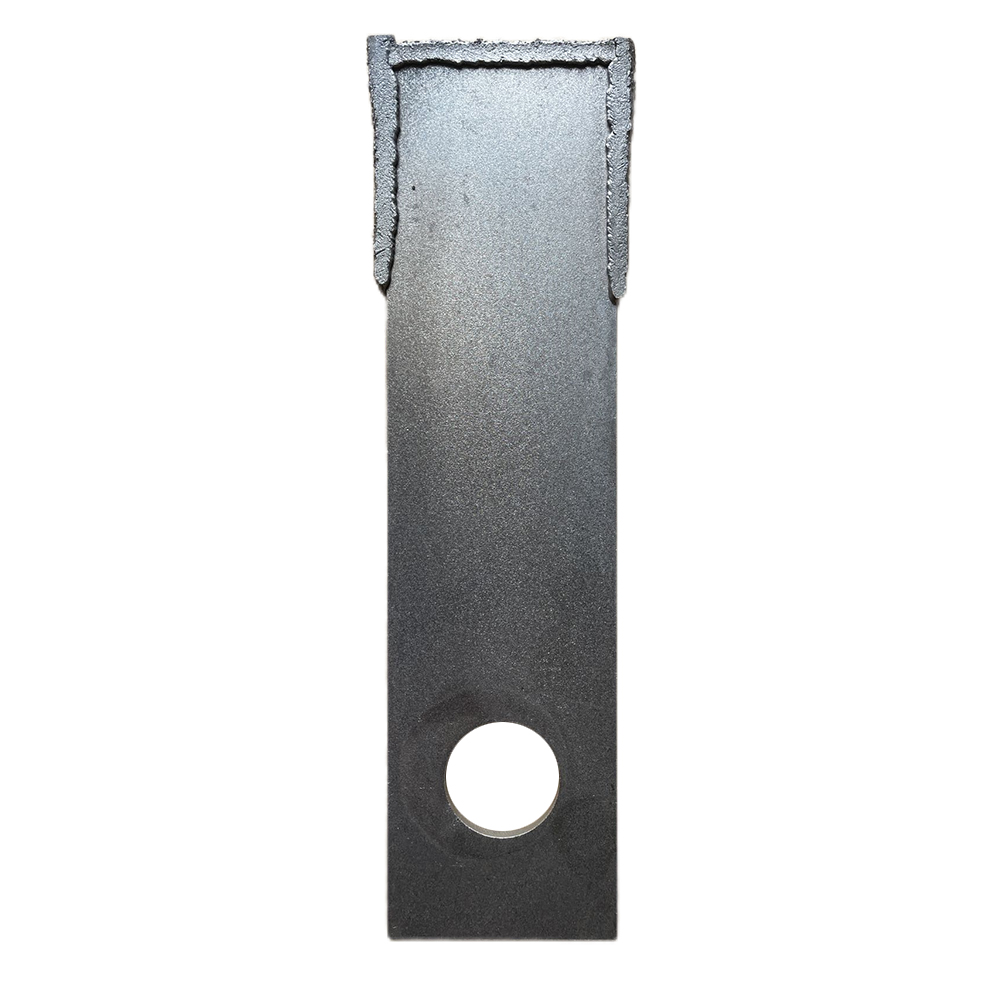
Val á hamramateriali er lykilgrundur sem ákvarðar viðhaldsgetu, framleiðslusamleitni og kostnaðarþættinn í rekstri í þungum iðnaðarumhverfi. Þegar hamrar eru í notkun í ógnvekjandi aðstæðum með mjög háa eða lágri hitastig, slípandi efni, rýnandi andrúmi eða hááhrifaskilyrðum, ákvarðar val á grunnmaterialum, hitabehandlingsferlum og metallúrgískum samsetningum beint hversu lengi þessi hlutir viðhalda uppbyggingarsamleitni sinni og virkni áður en þeir þurfa skipta út eða endurheimta.
Tilvísunin á milli völuðu efna og notkunarlíftíma verður sérstaklega áberandi þegar búnaður verður að standa áfram í ógagnlegum rekstursaðstæðum sem hrökkva slitageiningar, framskipta fatiguesprengingum og veikja mekanísku eiginleika sem tryggja áreiðanlega smjörun, mala eða áhrifastarfsemi.
Efniseiginleikar sem ákvarða notkunarlíftíma
Grundvallarfræði um harðleika og slitageignir
Hardness eiginleikar hamrar efna skapa grunnvörun á móti slífrunaraðferðum sem hreinsa smátt og smátt efni frá snertisflatunum í rekstri. Hærra hardness gildi tengjast venjulega betri slífrunarstaðgu, en val á hamrar efni krefst vandlega yfirferðar á milli hámarks hardness og annarra lykil eiginleika eins og styrks og árekstrarstaðgu sem koma í veg fyrir alvarlega mistök.
Ólíkar mælingar á hardness gefa innsýn í hegðun efna undir ýmsum álagstilvikum, þar sem Rockwell C hardness er algengt til að meta steinhamra en Brinell hardness mælingar gefa betri samræmi við slífrunarstaðgu í sumum forritum. Optímala hardness sviðið háð er ákveðnum slífrunaraðferðum í hverju einstökum forriti, þar sem efni sem eru mjög góð gegn slífrun við glíðu geta verið veik í árekstraþyngd eða hitacykla.
Yfirborðshardnunaraðferðir geta aukat móttölu gegn slitageði á meðan kjarnastyrkurinn er viðhaldinn, en árangur þessara aðferða er háður dýpt hardnunar í samræmi við búist við slitageði. Val á hamri efni verður að taka tillit til þess hvort yfirborðsmeðferðir veita nægilega vernd á allan tíma sem búist er við notkun eða hvort gegnumhardnað efni bjóða betri langtímaframkvæmd án þess að hafa hærri upphafskostnað.
Styrkur og áhrifamótstöðu eiginleikar
Áhrifastyrkur táknar getu efnsins til að taka inn orku við skyndilegar álagsháttana án þess að brotna, sem gerir þessa eiginleika nauðsynlegan fyrir hamra sem eru útsettir fyrir skotálag, titringa eða skyndilegar breytingar á rekstursaðstæðum. Charpy V-greining veitir fjármælingar á áhrifastyrk, en val á efni fyrir hamra krefst skilnings hversu þessar tilraunagildi í rannsóknarstofu tengjast raunverulegri afkönnun undir dýnamískum álagsháttum með breytilegum streymihraða og spennusamþéttun.
Tilvísunin á milli harðleika og þolmætis felur oft í sér kompromissa, þar sem aukning á harðleika með hitabehandlingu eða bætingu á legeringum getur minnkað áhrifatholmæti og aukat viðkvæmni fyrir sprungubrotshamfarir. Árangursrík val á hamrarhverfum skilgreinir samsetningar og hitabehandlingsstöður sem hámarka þessa jafnvægi fyrir tiltekna starfsstöðu, með tilliti til þátta eins og starfshitastigssviðs, álagsháttatalna og fyrirliggjandi spennusamþrýminga sem gætu leitt til sprunguspreitingar.
Hitaaffectar á þolmæti verða ákvarðandi í notkunum sem felur í sér hitasveiflur eða útsetningu á ekstremum hitastigum, þar sem efni geta sýnt hegðun breytingar frá deyfilegu í brjótleigu sem drægur mjög niður áhrifatholmæti undir ákveðnum hitamörkum. Þessi umhugsun áhrifar val á hamrarhverfum fyrir utanaðkomandi tæki, kryógena notkun eða ferla sem felur í sér miklar hitamismunahreyfingar á meðan venjulegar starfsferlur eru í gangi.
Umhverfisáhrifarþættir sem áhrifa efnisvirkni
Hitastigsgrensar og áhrif hitasyklanna
Útsetning við hægt hitastig áhrifar val á hamrar efni með mörgum leiðum, þar á meðal móttæld við oxun, kröfu um styrk gegn kröpum og samhæfni í hitaútvidunu við aðliggjandi hluti. Efni sem viðhalda nægilegum styrk og harðleika við hærra hitastig krefjast oft sérstakra legeringa eða hitabehandlingsferla sem geta aukist efna kostnaðinn en býða upp á nauðsynlega virkni fyrir notkun í hituverkfræði eða við skilyrði með háum friðju.
Hitacyklunum bætist við aukin flókinni í vali á hamramateriali þar sem endurteknar hita- og kælingarferlar geta framskipt hittusökkunarhringsmyndunar, hrökkva oxunaraðferðir og valda óstöðugleika í stærðum með breytingum á mikilmyndinni. Þarfnan um hitastikku er mikilvæg þegar hamrar eru í sambandi við hluti sem eru gerðir úr öðrum efnum, þar sem mismunur í hitastikku getur valdið spennusamþrýmmingum sem minnka notkunartímann með hrökkun á hringsmyndun eða mekanískri losun.
Notkun við lága hitastig býður upp á ýmsar áskoranir þegar kemur að völdum hamrar, því margar steypujárnssortir sýna minni stöðugleika og aukna viðkvæmni fyrir sprungubrot þegar notað er undir þeim hitastigi þar sem um skipting frá dúktílu í brjótlegra hegðun fer. Við notkun í köldu veðri, kælivélum eða krýógena framleiðslu er nauðsynlegt að velja efni sem hafa verið sérstaklega valin fyrir gæði sín við lága hitastig, oft með nikkel innihaldandi legeringum eða sérstökum hitabehandlingsaðferðum sem viðhalda áhrifastöðugleika við lægri hitastig.
Hagsmunir tengdir rósinni umhverfi
Rófþol er að verða lykilþáttur við val á hamrarhugbúnaði þegar tæki eru í notkun í umhverfi sem innihalda raki, efnaþoka, saltþoka eða framleiðsluefni sem geta áhrifað metalla yfirborð. Ákveðin rófmechanismar sem koma fyrir í hverju einstökum tilviki ákvarða kröfur við val á efnum, því efni sem eru rófþolín gegn einhverri tegund rófs gætu verið óvörn gegn öðrum rófgerðum eftir umhverfisefnafræði og rekstursaðstæðum.
Potensíalinn fyrir galvanískt róf þarf að meta þegar val á hamrarhugbúnaði felur í sér mismunandi málma í snertingu við rafleiðandi efni, því rafeindaráðgerðir geta hrökkva fráviki efna jafnvel í efnum sem almennt hafa góða rófþol. Þessi umhugsun nær yfir skrufur, slíðrunarplötur og verndarlaga sem gætu haft áhrif á grunnhamrarhugbúnaðinn með galvanískum tengingum sem hækka staðbundnar rófhraða.
Spenningskorrosjónssprettun táknar sérstaklega fjölskyldan tjáningu á brotshamfri sem áhrifar völu á hamramaterial fyrir notkun þar sem spennur eru í tengslum við rósinn umhverfi. Ákveðin samsetning á efni er meira viðkvæm fyrir spenningskorrosjónssprettun þegar hún er útsett fyrir ákveðin efnaumhverfi, sem gerir völu á efni að mikilvægu þætti til að koma í veg fyrir óþarfa brot með umhverfisstýrðum spröttunaraðferðum sem geta átt sér stað við spennunívó sem er langt undir venjulegum styrkleikaefnisins.
Slitmechanismar og viðbrögð efna
Aðlagun á slitsviðhamfri gegn grjótsliti
Slípandi slitageðlingur á sér stað þegar harðir hnitilagir eða ójafn yfirborð fráveldu efni með vélmennisköpun, sem gerir slitageðlingsþol að grunnatriði við val á hamrihunangsefni fyrir notkun í umhverfi með sand, málmi, steinsteypu eða öðrum slípandi efnum. Tengslin milli styrks efnis og slitageðlingsþols fylgja almennt reglunni að harðari efni hafi betra slitageðlingsþol, en tiltekinn slípandi eiginleiki áhrifar val á bestu efni.
Tveggja líkama slitageðlingur felur í sér beina snertingu milli yfirborðs hamrisins og slípandi hnitilaga, en þriggja líkama slitageðlingur á sér stað þegar lausir hnitilagir hreyfa sig milli hamrisins og annarra yfirborða í rekstri. Þessi mismunandi slitageðlingshamfar geta haft forgang fyrir mismunandi eiginleika efna, því að háþrýstisgrindunarstöður gætu krafst hámarksstyrks, en lágtþrýstisglíðustöður gætu nýtt sér efni með betri samhæfingu og lægra friðjum.
Karbíðmyndandi frumefni í steypuhráefnum geta miklu aukin abrasív slitévarn gegn slítingu með myndun harðra karbíðfasa sem standa upp á slítingu, á meðan umhverfisgrunnurinn veitir styrk og stuðning. Val á hamri efni þarf að taka tillit til rúmmálsþéttleika karbíðs, dreifingar og lögunar sem veita besta slitévarn án þess að fella aðrar nauðsynlegar eiginleika eins og vinnanlegt, sveigjanlegt eða árekstursstöðugleika.
Úthaldsgeta og svar við endurtekrum álagssveiflum
Úthaldsbrunaraðferðir verða mikilvægar við val á hamri efni fyrir notkun sem felur í sér endurtekna álagssveiflu sem getur leitt til myndunar og útbreiðslu sprunga með tímanum, jafnvel þótt álagsstyrkurinn sé undir hámarkstöðugleika efnisins. Úthaldsstyrkur hamraefna er háður þáttum svo sem yfirborðsloku, spennusamþættingum, meðalspennunum og fyrstu spennunum sem koma fram vegna framleiðslu eða hitameðferðar.
Yfirborðsástandið leikur lykilhlutverk í úthaldsgetu, þar sem ójafnheit yfirborðs, dekarbúnískun eða mekanísk skemmdir geta verið upphafsstaðir riss, sem minnka úthaldsgetu markvörðulega. Val á hamri efni þarf að taka tillit til bæði upphaflega framleidds yfirborðsástands og breytinga sem koma upp í notkun, þar á meðal slífrunarmynstur, ruslan eða mekanískar skemmdir sem gætu valdið nýjum stress-samþrýstingarstöðum.
Breytileg álagshamfarir, sem eru algengar í mörgum hamraforritum, gerast flóknari við úthaldsútreikninga og áhrifast val á efnum með samanlagðum skemmdaraðferðum sem byggja á álagshamfara röð og viðkvæmni efna fyrir ofhámarkaálagsskilyrðum. Efni með góða úthaldsgetu gegn rissvöxtum geta unnið betur undir breytilegum álagsskilyrðum, jafnvel ef úthaldsgeta þeirra í glattum prufustiklum virðist veikari en önnur efni með hærri grunnúthaldsgrænsi.
Hitabehandling og framleiðsluefni á áhrif á notkunartíma
Aðlögun á kælingu og steypun
Hitabehandlingsaðferðir breyta grunnlegginu mikilvægi í mikrobyggingu og eiginleikum efna sem ákvarða notkunarlíftímann, sem gerir stjórnun ferlisins að mikilvægu þátt í vali og tilgreiningu á hamramyndunarefni. Kælingarferlið myndar háa harðleika með martensítumbreytingu, en kælingarhraðinn, kælivatnið og lögun hlutarins áhrifa útkomulegu harðleikadreifinguna og ástandið á innri spennu sem áhrifar bæði slitéanlegleika og viðkvæmni fyrir sprungur eða afbrigði.
Hörðunaraðferðir eftir kælingu veita stjórn á jafnvægi hröðleika og þolmætis sem hámarkar val á hamrarhugbúnaði fyrir tiltekna starfsstöðu. Lágari hörðunartemperatúr viðhalda hærri hröðleika fyrir hámarksþol gegn slítri, en hærri hörðunartemperatúr bæta þolmæti og minnka brjáldurleika með því að frávika nokkru hröðleika. Optímala hörðunarmargfeldi eru háð því hversu mikilvægt er slítrathol miðað við álagsþol fyrir hverja einstaka notkun.
Fullhördun miðað við yfirborðshördun táknar mismunandi aðferðir í vali á hamrarhugbúnaði, þar sem fullhördun veitir jafna eiginleika um allan þvermál hlutarins, en yfirborðshördun samanstendur í að auka hröðleika þar sem hann er mest þurftur, með því að halda þolmæti kerfisins. Val á milli þessa tveggja aðferða er háð búastandsmögulegum slítramyndum, álagsstöðum og sambandi milli lögunar hlutarins og staðsetningar á spennustöðum sem eru mikilvægar.
Stefnumál við yfirborðsmeðferð
Yfirborðshardnunarmeðferðir geta lengt notkunarlíftímann með því að veita háa harðleika og slitageindavernd á yfirborðinu, á meðan harðleiki kjarnans er viðhaldið til að standa álagi vegna árekstra og koma í veg fyrir alvarlega brjótun. Skorðuhardnun með karbúrsvæðingu, nítrósvæðingu eða viðskiptahardnun gefur mismunandi kosti og takmarkanir sem hafa áhrif á val á hamrarhugbúnaði byggt á lögun hlutarins, nauðsynlegri skorðudýpt og samhæfni við samsetningu grunnmáta.
Yfirborðsbeþekkingar veita annan leið til að stefna val á hamrarhugbúnaði með því að sameina eiginleika grunnmátsins við yfirborðseiginleika sem eru sérstaklega hönnuðir fyrir slitageindavernd, rýrustavernd eða minnkun á friðju. Harðar beþekkingar eins og króm, volframskarbíður eða keramískar beþekkingar geta miklu lengt notkunarlíftímann þegar þær eru rétt settar upp og sameinadar við viðeigandi grunnmáta og hitameðferðarskilyrði.
Samspilið milli yfirborðsbehandlinga og val á grunnefni krefur nákvæma umhugsun um samhæfni við hitaugun, festieiginleika og möguleika á hryggjum í þekjunni sem gætu hrökkva slitageð eða valda spennusamþættingum.
Efnahagsleg hámarkun og lífslíku kostnaðar greining
Upphafskostnaður frammi fyrir langtíma gildi mat
Hagkerfi valins hamramaterials nær langt fyrir utan upphaflega kaupverð og felur í sér heildarkostnað á meðal skiptitíðar, viðhaldskröfus, stöðu tæknisins og afleiðinga hamrafalls á heildarframleiðslu kerfisins. Dýrri efni með hærri upphaflegum kostnaði veita oft betri gildi með lengri notkunartíma, minni tíðni viðhalds og betri rekstursreiði sem lágmarkar óáætlaðar stöður og tengdar framleiðslutap.
Líftíðumodellun gerir kleift að bera saman mismunandi valkosti á hamramyndum kvantitatively með því að spá fyrir um slitage, viðhaldsbrögð og tíma skipta undir tilteknum reksturskilmálum. Þessi lífsviður innihalda þætti eins og eiginleika efna, rekstursbreytur, umhverfisstöður og viðhaldshátt til að mynda mat á heildarkostnaði í lífslangri notkun sem styður vel upplýst ákvörðunargreiningu byggða á heildaraukaverðmæti sniðugt en ekki aðeins á upphafskostnaði.
Gildi lengra líftíðar er mjög breytilegt eftir því hvaða áhrif hafa tækin á reksturinn, hvort er hægt að nýta bakupkerfi og kostnaður óáætlaðs stöðvunar í hverju einstökum tilviki. Í forritum sem krefjast hárra áreiðanleika getur verið réttlætanlegt að velja dýrari hamramyndir sem bæta líftíðina smátt og smátt, en í minna mikilvægum forritum gætu verið valin kostnaðarhræðilegri lausnir sem jafna árangur og upphaflega fjárhagslega kröfur.
Samþætting viðhaldsstrategíu
Forsögnulegar viðhaldsferlar eru viðbót við optimala val á hamramyndunarefni með því að leyfa skilyrt skipti á tíma sem hámarkar mögulega notkunartíma hvers efnis, en jafnframt lágmarkar hættuna fyrir alvarlegum brjótlunum. Víbrotamælingar, slitageymingar og afköstamælingar veita gögn sem staðfestir ákvörðun um val á efni og leiðir framtíðarútbætigreiningar byggðar á raunverulegum notkunaraðstæðum í stað þeóretískra ályktana.
Hugmyndir um stokkhald áhrifast val á hamramyndunarefni með því að miðla milli kostnaðarins við staðlað efni og forsjá um sérstaklega stillt efni. Að staðla sig á færri efnisgerðum einfaldar innkaup, lækkar kostnað vegna stokks og bætir viðhaldsefli, en getur leitt til minnkunar á afköstum í samanburði við sérstaka efnisval sem gefur hámarksnotkunartíma fyrir hverja einstaka virkjunarmiða.
Áætlað skýla á skiptum gerir kleift að setja í verk forvarnaraðferðir við val á hamramyndum sem samræma innkaup á efni við viðhaldsgæði til að lágmarka rekstursbil. Þessi aðferð krefst nákvæmra færna til að spá í þjónustutíma og nægilegrar flókhleika í framleiðslutíma til að taka tillit til breytinga á efnafræðilegum eiginleikum eða breytinga í birgðarkeðjum sem gætu haft áhrif á tíma skipta eða tiltækt efni.
Algengar spurningar
Hverjar efnaeiginleikar eru mikilvægastar til að hámarka þjónustutíma hamra í röfandi umhverfi?
Hardness og slitagevörn tákna helstu eiginleika efna til að hámarka notkunartíma í slitandi aðstæðum, sem krefst venjulega efna með Rockwell C-hardness yfir 45 HRC fyrir besta slitagevörn. Þó þurfi að hafa nægilega góða brotþol til að koma í veg fyrir brjótbrot, sem gerir jafnvægið á milli hardness og brotþols mikilvægt við val á hamriefni. Legefni sem mynda karbíð, svo sem króm, tungsten eða vanadín, geta aukat slitagevarnar með myndun harðra karbíða án þess að mýkja brotþolið of mikið.
Hvernig áhrifar hitastigamismunur val á bestu hamriefni?
Hitastigsgildi á markverðan hátt áhrif á val á hamramyndunarefni með tilliti til áhrifa á eiginleika, mótsögn gegn oxun og hegðun við hitaútvidun. Hár hitastig krefst efna sem halda styrk og harðleika sínum við starfshita en einnig standa upp við oxun og áhrif hitaávaxtar. Lág hitastig krefst efna með góðri þolmæti við lág hitastig til að koma í veg fyrir brjótlegra brot, oft með nikkelinnihaldandi legeringum eða sérstökum hitabeinunaraðferðum sem halda áfram áhrifum á árekstraust við lægri hitastig.
Hvaða hlutverk hefur hitabeinun í að hámarka notkunartíma hamra?
Hitabehandling veitir mikilvæga stjórn á mikrobyggingu og eiginleikum í viðhaldsþol sem ákvarða notkunartíma með kælingu og hitayfirferðum sem aukast efna jafnvægið á harðleika og þolmæti. Rétt hitabehandling getur aukat slípþol með martensít-harðleika, en stillingar á hitayfirferðum nálgast nákvæmlega þolmæti fyrir áhrifathol. Yfirborðsharðleikar geta veitt háan yfirborðsharðleika fyrir slípþol en halda þolmæti kjarna, sem lengir notkunartíma yfir það sem einungis gegnum-harðleiki getur náð.
Hvernig ætti rósinn umhverfi að áhrifa ákvarðanir um vöruefni hamra?
Róskaðar umhverfi krefjast valss á hamrar efni sem leggur áherslu á róskuþol sem er viðeigandi fyrir ákveðnar skilyrði við kemískt áhrif, oft með notkun ástíls eða sérstakra legera með auknu róskuþoli gegn ákveðnum róskumekanismum. Valið þarf einnig að taka tillit til gálvanískrar samhæfis við nágrannahlutina og möguleika á spennurósku í efnum sem eru útsett fyrir tögráða. Verndarlag eða yfirborðsbehandlingar geta veitt kostaeftirlitna róskuvernd þegar þær eru rétt innleiddar með viðeigandi grunnefnum.