 EN
EN
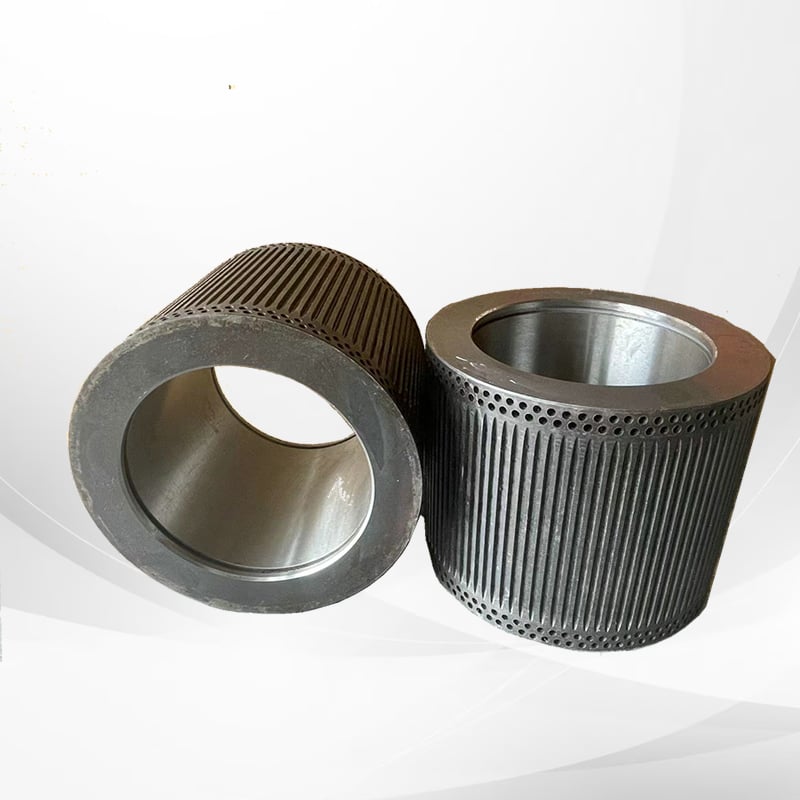
Þykkt hamrarblöðunnar leikur lykilhlutverk í ákvörðun á mynstrum orkunotkunar í mala- og smjörvélum í iðnaði. Þegar metið er virkni, verður að skilja hvernig þykkt hamrarblöðunnar áhrifar orkunotkunar til að hámarka bæði afköst og kostnaðarafurð í efniþáttun.
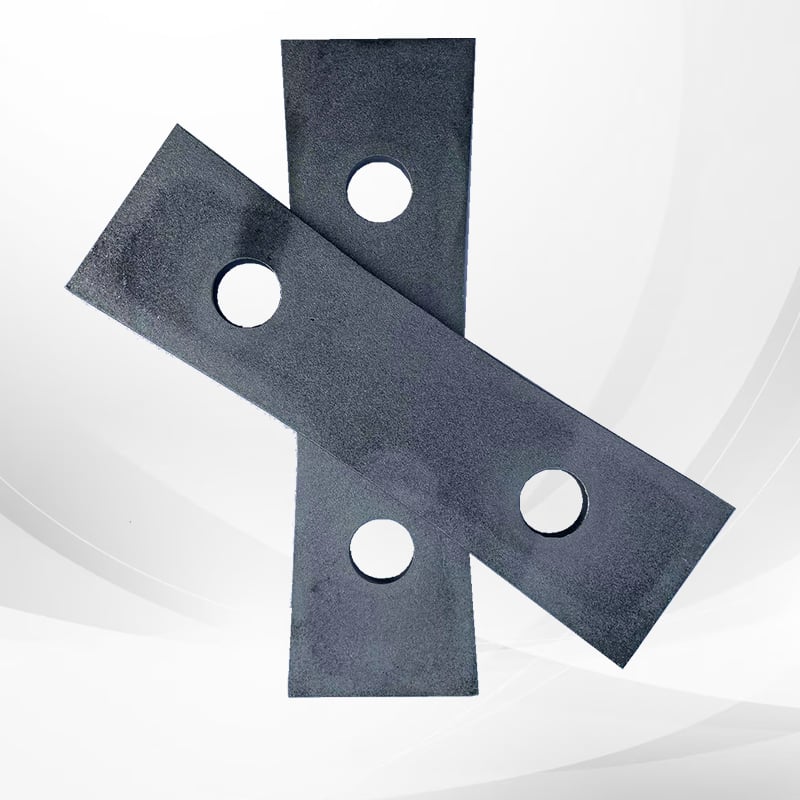
Tengslin milli þykktar hamrarblöðunnar og orkunotkunar felast í flóknum vélarbundnum viðbrögðum sem hafa beina áhrif á aflkröfurnar, virkni og heildarafköst tæknisins. Þykkri hamrarblöður krefjast almennt meiri orku til að hröða og halda snúningshreyfingu, en þunnari blöður gætu notað minna orku en gætu einnig minnkað viðþrepuleika og smjörvirkni undir þungum skilyrðum.
Eðlisfræðin bakvið þykkt hamrarblöðunnar og orkudýnamíkuna
Massadreifing og kröfur um snúningsskynjuorku
Þykkt hamrarblöðunnar áhrifar beint massudreifingar snúðurhlutans, sem hefur mikilvægan áhrif á orkuna sem þarf til að viðhalda reksturs hraða. Þykkri hamrarblöðun eykur heildarmassann í snúningi, sem krefst meiri snúrkrafts til að ná markhraða (RPM) og viðhalda þeim. Þetta aukna massi veldur hærri tögröðunarkrafti sem verður að vinna gegn við ræsingu og viðhalda í rekstri.
Sambandið við orkunotkun byggir á grunnreglum eðlisfræðinnar þar sem snúðorkan vex í hlutfalli við massann. Þegar þykkt hamrarblöðunnar eykst bætir aukamassinn við ummál snúðurhlutans, þar sem hann hefur stærsta áhrif á snúðþregðu. Þessi staðsetning styrkir orkukröfurnar því massi sem er fjarri snúningarmiðjunni áhrifar snúðþregðu meira en massi sem er nálægt miðjunni.
Iðnaðarleg prófun hefur sýnt að að auka þykkt hamrarblöðu um aðeins 2–3 millímetra getur leitt til aukningar á orkunotkun um 8–12% í staðbundinni rekstursástandi. Þessi orkuaukning verður áberandiri við ræsingu, þar sem rafmagnsvél þarf að vinna gegn aukinni massatregðu til að koma snúðinum upp í rekstursferð.
Myndun á árekstri og áskorun á orkuframleiðslueffekt
Þykkt hamrarblöðu áhrifar hvernig áskorun á kinetískri orku fer frá snúðinum yfir á vinnsluefnið. Þykkri blöður berja meiri áhrifamagn vegna aukinnar massa síns og geta því veitt meiri smjörunarþrýsting við hvert árekstur. Þessi aukna áhrif geta þó kostað meiri orkunotkun til að halda blöðunni í hraða eftir hvert árekstur.
Á meðan efni er unnin, veldur hver árekstur á milli hamrarbladsins og efnis tímabundinni lækkun á snúningshraða. Rafeindamátturinn verður að bæta við með aukafyrirgefnum til að endurheimta hraða bladsins. Þykkari hamrarblöð reyna meiri hraðaminnkun við árekstur vegna hærri áhrifamagnsins sem þau flytja, og því er þarf meiri orkuinntaka til að halda jöfnum reksturshraða.
Effektív orkuflytja er einnig háð efni sem er unnið og sérstökum kröfum umsýslu. Í umsýslum þar sem mikil árekstrarorka er krefst fyrir harð efni geta þykkari hamrarblöð raunverulega bætt heildarorkueffektívnissi með því að minnka fjölda árekstra sem nauðsynlegir eru til að ná óskandi smáþáttun á efni, þótt þau noti meiri orku á hverri snúningi.
Efniseiginleikar og þykktaroptímalísing
Steel samsetning og þéttleikarhagsmunir
Efnauppbygging hamrarblöðu áhrifar mikilvægar hvernig þykktin áhrifar orkunotkunar. Blöður úr steypu með hátt kolefnisinnihald með hærri þéttleika valda markverðum aukningum í orkunotkun þegar þykktin aukast. Sambandið milli þykktar hamrarblöðu og orkunotkunar breytist eftir stáltegund og hitabehandlingu sem er notuð við framleiðslu.
Nýjungar í legeringaruppsetningu geta hjálpað til við að minnka einhverjar af orkunotkunarauknum sem tengjast aukinni þykkt. Sumir framleiðendur hafa þróað sérstakar stálformúlur sem viðhalda styrk og varanleika en jafnframt lægra heildarþéttleika blöðunnar. Þessi efni leyfa þykkri blöðu hönnun án hlutfallsins aukningar í orkunotkun.
Hitaeiginleikar efna blöðruinnar ákvarða einnig ásamt þykktinni orkunotkunina. Þykkrar blöðrur halda meira hita í sér í rekstri, sem getur breytt eiginleikum efnsins og áhrifad á hvernig orkan er dreifð við árekstrarhendingar. Þessi hitaskynsemi verður tekin tillit til þegar lágmarkast þykkt blöðruhammars fyrir ákveðnar rekstrarstöður.
Slitmynstur og þykktarbreytingar
Á meðan blöðrur hamars slita sig í rekstri minnkar þykkt þeirra í raun, sem hefur bein áhrif á mynster orkunotkunar. Upphaflega þykkrar blöðrur viðhalda eiginleikum orkunotkunar sínnar lengur á meðan þær slitast, sem gefur jafnari afköst yfir lengri tímabil rekstrar. Þessi jafnheit getur leitt til betri heildarorkuávöxtunar yfir þjónustutíma blöðruinnar.
Þvílæðishraðinn breytist eftir þykkt á hamrarblöðrunum, þar sem þunnari blöðrur reyna oft hraðara þykktarminskun í umhverfi með háum þvílæði. Þegar þykkt blöðranna minnkar vegna þvílæðis breytist orkunotkunin, sem oft leidir til lægra orkufrávistar en mögulega minni skuttekt á brotun.
Að skilja þvílæðisþróunina hjálpar rekendum að spá fyrir um hvenær orkunotkunarmynstur munu breytast og skipuleggja viðhaldsáætlunina þannig. Að fylgjast með þróun orkunotkunar getur verið óbein aðferð til að meta breytingar á blöðruþykkt og ákvarða besta tímann fyrir skiptingu til að halda orkuþáttgerðinni á háum stigi.
Rekstrarbreytur sem áhrif hafa á orkunotkun
Innflæðishraði og eiginleikar efna
Tilvísunin á milli þykktar hamrarbladsins og orkunotkunar breytist miklu meiri miðað við fæðuskorðu og eiginleika efna. Hærri fæðuskorður aukar almennt muninn í orkunotkun milli þykks og þynns blads. Þétt, harð efni eykur orkufrestunina sem tengist þykku blöðum, en mjúkari efni geta sýnt minna áberandi mun.
Feuchthald efna á einnig áhrif á hvernig þykkt hamrarbladsins áhrifar orkunotkunar. Vatnug eða klístrandi efni geta festst við þykku blöð meira auðveldlega, sem aukar dragkrafta og orkukröfur. Aukin yfirborðsflatarmál þykku blada veitir fleiri tækifæri fyrir uppbyggingu efna, sem getur miklu aukið aflnotkunina í rekstri.
Stærð dreifing á inntaks efni hefur áhrif á þykkleika hamrarblöðunnar og ákvarðar mynstur orkunotkunar. Stærri hnit þurfa meiri áhrifshraða til að brjóta, sem getur stuðlað að þykkrum blöðum þrátt fyrir hærra orkukröfurnar. Öfugt, getur vinnsla fínnar efna ekki réttfært orkuviðbótina vegna aukins þykkleika blöðunnar.
Áhrif snúningstímans og uppsetningar róters
Starfsþáttur snúningstíma róters hamrarhjólsins áhrifar mikilvæglega þá áhrif sem þykkleiki blöðunnar hefur á orkunotkun. Hærra snúningstímar sterkja muninn í orkunotkun milli ýmissa þykkleika blöðunnar vegna ferningslaga tengslanna milli hraða og hreyfiorku. Að vinna við lægri snúningstíma getur hjálpað til við að lágmarka orkuviðbótina vegna þykkrari blöðunnar án þess að missa viðeigandi smástofnunaraðstönd.
Rótorstillingin, þar á meðal fjöldi og skipulag hamrarblöð, hefur áhrif á samheildarorkuþörfina í samspili við þykkt einstakra blöð. Kerfi með fleiri blöðum geta oft notað þunnari einstök blöð án þess að missa nægilega smástofnunargetu, sem gæti leitt til lægra samheildarorkuáþöfus miðað við stillingar sem nota færri, þykkari blöð.
Tími og millibilið á milli hamrarblöðum á rótornum áhrifar þess hvernig þykkt ákvarðar orkuáþöfuna. Rétt skipulag blöðanna getur hjálpað til við að jafna út álagssprettu og minnka orkuáþöfunarvandamál tengd þykkri blöðun, án þess að taka frá áhrifavirkni kerfisins við vinnslu efna.
Hagkerfis- og árangursáætlunaraðferðir
Kostnaðar- og ávinningagreining valins þykktar
Val á optimalri þykkt á hamrarblöðrum krefst jafnvægis á milli aukinnar orkunotkunar og betri viðþrepulags og afköstum. Þykkari blöðrur veita venjulega lengri notkunartíma, sem getur kompenserat hærri rekstrarorkukostnað með minni tíðni skipta og minni viðhaldsávöxtun. Þessi jafnvægsgreining verður að taka tillit til sérstakra rekstrarshluta og orkukostnaðar.
Efnahagsáhrif þykktar hamrarblöðra fara fyrir utan beina orkunotkun og innihalda einnig framleiðsluþætti. Þykkari blöðrur geta viðhaldað samhverfum afköstum lengur, sem gefur stöðugt framleiðsluhraða og vöruqualiteta yfir lengri tímabil. Þessi samhverfa getur bætt heildarrekstrarafköstum þrátt fyrir hærri orkukröfur.
Reikningur á orkukostnaði ætti að innihalda bæði neyðarástandsnotkun og orkukröfur við ræsingu þegar metið er mismunandi þykkt á hamrum. Í notkunum sem hafa oft endurtekna ræsingu og stöðvun geta þykkari hamrar valdið meiri orkufyrirleitum en í samfelldum rekstursaðstæðum.
Fylgslu- og skilvirkuferðaupplýsingar
Notkun á orkufylgsluskerfum hjálpar rekstraraðilum að skilja hvernig þykkt hamra áhrifar raunverulegrar notkunar undir ákveðnum rekstursaðstæðum. Rauntíma orkufylgsla getur sýnt tengslin milli ástands hamra, þykktar og orkunotkunar, sem gerir mögulegt að taka ákvarðanir um skilvirka upprifjun byggðar á gögnum.
Forsjávarhaldsleiðbeiningar geta innihaldið áhorf á orkunotkun til að meta breytingar á þykkt hamra og skilvirka skiptatíma. Með því að fylgja orkunotkunarmynsturum geta rekstraraðilar auðkennd þegar slífrun hamra hefur minnkað þykktina nóg til að áhrifa afköst án þess að missa viðeigandi orkuþátt.
Íframgerðar stýrslukerfi geta stillt rekstursfæribreytur til að hámarka orkunotkun miðað við núverandi skurðblöðun og slitageinkenni. Þessi kerfi geta breytt fæðuskorðum, hraða snúðsins eða öðrum breytum til að halda áfram árangri þegar eiginleikar skurðblöðanna breytast með tímanum.
Algengar spurningar
Hversu miklu hækkar orkunotkunin venjulega með aukningu á þykkt skurðblöðanna?
Aukning á þykkt skurðblöðanna um 2–3 millímetra hefur venjulega í för með sér 8–12 % hærri orkunotkun í staðbundinni rekstursástandi. Nákvæm áhrifin eru háð snúðhraða, efni sem er í vinnslu og almennum kerfisuppsetningu. Orkukröfur í rásarskóginu geta hækkað um 15–20 % með þykkrum skurðblöðum vegna hærra snúðþregðar.
Geta þykkri skurðblöð ekki í raun bætt orkueffektívnisskilyrðum í sumum notkunum?
Já, þykki hamrarblöð geta bætt heildarorkuþáttgjöf í notkunum sem krefjast hárra áhrifshrings fyrir erfitt efni. Þó að þau noti meiri orku á hverri umferð, geta þykki blöð minnkað heildarfjölda áhrifa sem nauðsynlegir eru til að ná óskandi grófleikaþrengingu, sem gæti leitt til lægra heildarorkuávöxts á tonnu unnins efna.
Hvernig áhrifar slífrun blada á sambandið milli þykktar og orkunotkunar?
Þegar hamrarblöð slífast og missa þykkt minnkar orkunotkunin venjulega vegna lægri massans og snúningstregðu. Þessi minnkun fer þó fram með minni smjörvirkni og mögulega hærri orkunotkun á eininguna af unninu efni. Optímala skiptistöðin jafnar samhverfu á milli viðeigandi orkunotkunar og nægilegrar afkvæmis.
Hverjum þáttum ætti að hafa í huga við val á þykkt hamrarblada til að ná bestu orkuþáttgjöf?
Lykilþættirnir eru hörðleiki og rufandi eiginleikar efna, nauðsynlegur framleiðsluhraði, starfsháttur, orkukostnaður og fleksibilitet í viðhaldsáætlun. Í notkunum með samfellda rekstur og harð efni geta þykkari skurðblöð verið réttlægð þrátt fyrir hærra orkuframleiðslu, en í millistöðvunarekstri sem fer fram á mjúkri efni geta þunnari skurðblöð verið forgjörð til að ná betri orkuþátttöku.
Efnisyfirlit
- Eðlisfræðin bakvið þykkt hamrarblöðunnar og orkudýnamíkuna
- Efniseiginleikar og þykktaroptímalísing
- Rekstrarbreytur sem áhrif hafa á orkunotkun
- Hagkerfis- og árangursáætlunaraðferðir
-
Algengar spurningar
- Hversu miklu hækkar orkunotkunin venjulega með aukningu á þykkt skurðblöðanna?
- Geta þykkri skurðblöð ekki í raun bætt orkueffektívnisskilyrðum í sumum notkunum?
- Hvernig áhrifar slífrun blada á sambandið milli þykktar og orkunotkunar?
- Hverjum þáttum ætti að hafa í huga við val á þykkt hamrarblada til að ná bestu orkuþáttgjöf?