 EN
EN
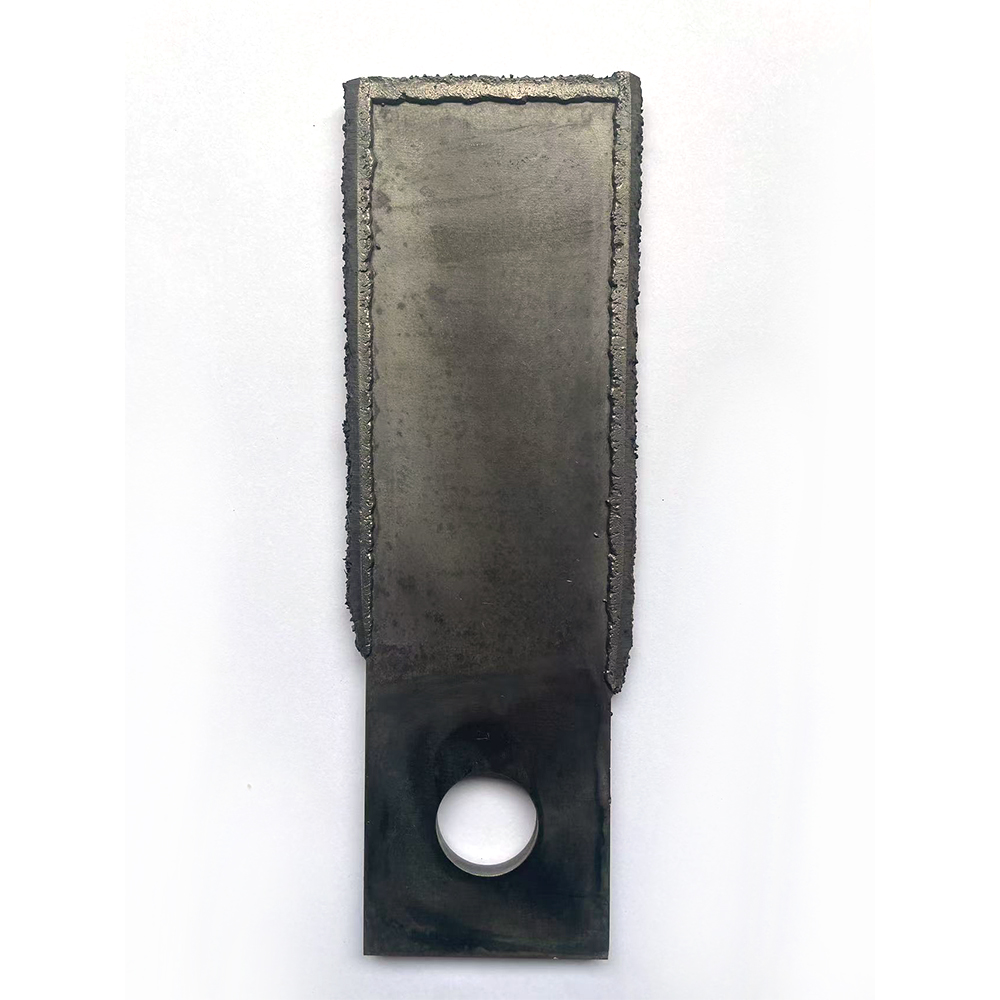
El rendimiento de los sistemas de trituración depende fundamentalmente de las características de diseño de sus cuchillas de martillo, que actúan como la interfaz principal entre la fuerza mecánica y la reducción del material. Comprender estos factores de diseño permite a los operadores seleccionar configuraciones adecuadas de cuchillas de martillo que optimicen la eficiencia de trituración, minimicen los costos operativos y prolonguen la vida útil del equipo. La relación compleja entre la geometría de la cuchilla, las propiedades del material y la mecánica de trituración influye directamente en los resultados de productividad en operaciones mineras, canteras y procesamiento de materiales.
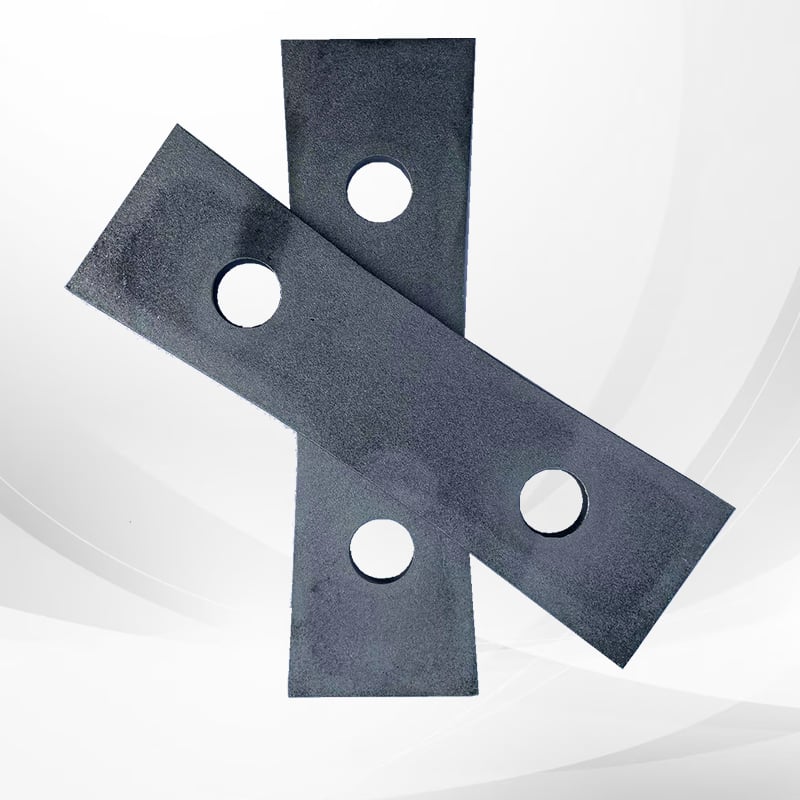
Los fabricantes modernos de trituradoras reconocen que el diseño de las palas de martillo abarca múltiples variables interdependientes que determinan en conjunto el rendimiento de la trituración. Estos factores de diseño van desde parámetros geométricos básicos, como la longitud, el ancho y el espesor, hasta consideraciones avanzadas de ingeniería de materiales, incluidos los perfiles de dureza, las características de resistencia al desgaste y las propiedades de equilibrio dinámico. Cada elemento de diseño contribuye a la eficacia general de la pala de martillo para lograr una reducción constante del tamaño de las partículas, manteniendo al mismo tiempo la integridad estructural bajo condiciones operativas de alto impacto.
Parámetros de diseño geométrico
Longitud de la pala y configuración del perfil
La longitud de la cuchilla del martillo influye directamente en la cobertura de la zona de trituración y en las características de interacción del material dentro de la carcasa de la trituradora. Las cuchillas de martillo más largas proporcionan superficies de contacto extendidas que permiten una interacción más exhaustiva con el material, lo que resulta en mejores relaciones de reducción y una distribución más uniforme del tamaño de las partículas. Sin embargo, una longitud excesiva de la cuchilla puede introducir patrones indeseados de vibración y un mayor consumo de energía debido a una mayor inercia rotacional.
La configuración del perfil se refiere a la forma de la sección transversal de la cuchilla del martillo, lo que determina cómo fluye el material alrededor de la cuchilla durante las operaciones de trituración. Los perfiles aerodinámicos reducen la resistencia del aire y la adherencia del material, mientras que los perfiles agresivos con bordes pronunciados mejoran la capacidad de penetración y fracturación del material. La configuración óptima del perfil depende de las características específicas del material y de los resultados deseados en la trituración.
Los ingenieros deben equilibrar la longitud de las cuchillas con el diámetro del rotor y la geometría de la cámara para lograr velocidades óptimas en las puntas y energías de impacto adecuadas. La relación entre estos parámetros geométricos afecta tanto la eficiencia de trituración como las tasas de desgaste de los componentes, lo que hace indispensable un control dimensional preciso para obtener resultados predecibles de rendimiento.
Grosor y diseño de la sección transversal
El grosor de la cuchilla del martillo constituye un parámetro de diseño crítico que influye tanto en la resistencia estructural como en la dinámica de trituración. Las cuchillas más gruesas ofrecen una mayor resistencia a las tensiones de flexión y a la fatiga por impacto, especialmente importante al procesar materiales abrasivos o altamente consolidados. La distribución del grosor a lo largo de la longitud de la cuchilla puede variarse para optimizar las características de resistencia, minimizando al mismo tiempo el peso innecesario.
El diseño de la sección transversal abarca la forma y la estructura interna de la cuchilla del martillo, incluidas características como nervios de refuerzo, secciones huecas y perfiles de espesor gradual. Estos elementos de diseño permiten a los ingenieros concentrar el material allí donde se necesita mayor resistencia, al tiempo que reducen la masa en áreas menos críticas, mejorando así la relación resistencia-peso global.
La interacción entre el espesor y la dinámica del impacto afecta la forma en que la energía de trituración se transfiere a los materiales procesados. Secciones transversales adecuadamente diseñadas garantizan que las fuerzas de impacto se concentren en la punta de la cuchilla, mientras distribuyen las cargas de tensión a lo largo de toda la estructura de la cuchilla, maximizando así la eficacia de la trituración y preservando la integridad del componente.
Propiedades y Composición del Material
Características de dureza y resistencia al desgaste
El perfil de dureza de la cuchilla de un martillo determina su resistencia al desgaste abrasivo y a la deformación bajo cargas de impacto repetidas. Los materiales de alta dureza, como los aceros martensíticos y las aleaciones resistentes al desgaste, ofrecen una excelente resistencia a la abrasión, lo que prolonga la vida útil en aplicaciones exigentes que implican materiales duros y abrasivos, como el granito, la cuarcita y el hormigón reciclado.
La resistencia al desgaste abarca tanto la resistencia al desgaste abrasivo como la resistencia al desgaste por impacto, lo que puede requerir enfoques distintos en cuanto a los materiales. La resistencia al desgaste abrasivo se beneficia de una alta dureza superficial y de la refuerzo con carburos, mientras que la resistencia al desgaste por impacto exige tenacidad y resistencia a la fatiga para evitar la propagación de grietas y la falla catastrófica.
Avanzado cuchilla de Martillo los diseños incorporan perfiles de dureza graduada que proporcionan una dureza máxima en las superficies de desgaste, manteniendo al mismo tiempo una tenacidad adecuada en las zonas estructurales. Este enfoque optimiza tanto la resistencia al desgaste como la durabilidad ante impactos, lo que se traduce en intervalos de servicio más prolongados y menores requerimientos de mantenimiento.
Dureza y resistencia al impacto
La tenacidad representa la capacidad de los materiales de las palas del martillo para absorber energía de impacto sin fracturarse, lo que resulta esencial en aplicaciones sometidas a cargas de choque y ciclos dinámicos de esfuerzo. Los materiales de alta tenacidad pueden soportar las fuerzas repetidas de impacto generadas durante las operaciones de trituración, manteniendo su integridad estructural durante largos períodos de funcionamiento.
La resistencia al impacto está directamente relacionada con la capacidad del material para soportar aplicaciones de carga súbita sin experimentar modos de fallo frágil. Esta propiedad adquiere especial importancia al procesar materiales con dureza variable o cuando contaminantes tales como fragmentos metálicos ingresan inesperadamente a la cámara de trituración.
El equilibrio entre dureza y tenacidad requiere una selección cuidadosa de materiales y la optimización del tratamiento térmico. Los materiales avanzados para las palas de martillo logran este equilibrio mediante el desarrollo controlado de la microestructura, adiciones de aleación y procesos especializados de tratamiento térmico que mejoran simultáneamente ambas propiedades.
Sistemas de fijación y montaje
Métodos de fijación y distribución de cargas
El método utilizado para fijar las palas de martillo al conjunto del rotor influye significativamente en la fiabilidad del rendimiento y en la eficiencia del mantenimiento. Los métodos comunes de fijación incluyen uniones atornilladas, conexiones soldadas y sistemas mecánicos de retención, cada uno ofreciendo distintas ventajas en términos de facilidad de instalación, facilidad de sustitución y características de transmisión de cargas.
La distribución de la carga mediante el sistema de fijación afecta la forma en que las fuerzas de aplastamiento se transmiten desde la cuchilla del martillo a la estructura del rotor. Los sistemas de montaje adecuadamente diseñados distribuyen estas cargas sobre áreas de contacto suficientes para evitar concentraciones de tensión que podrían provocar una falla prematura de los componentes o daños en el rotor.
Los sistemas modernos de fijación incorporan características como tolerancias de ajuste precisas, elementos de amortiguación de vibraciones y mecanismos de retención con función de seguridad que garantizan un funcionamiento fiable bajo distintas condiciones de carga. Estos elementos de diseño contribuyen a la fiabilidad general del sistema y reducen el riesgo de pérdida de la cuchilla durante la operación.
Accesibilidad para sustitución y consideraciones de mantenimiento
La accesibilidad para el reemplazo de las cuchillas del martillo afecta directamente el tiempo de inactividad del equipo y los costos de mantenimiento, lo que la convierte en un factor importante de diseño para los operadores de sistemas de trituración. Los sistemas de montaje fácilmente accesibles permiten cambios rápidos de las cuchillas durante los intervalos programados de mantenimiento, minimizando las pérdidas de producción y los requerimientos de mano de obra.
Los aspectos relacionados con el mantenimiento incluyen la posibilidad de inspeccionar el estado de las cuchillas sin necesidad de retirarlas por completo, los requisitos estandarizados de herramientas para los procedimientos de reemplazo y la compatibilidad con los equipos de mantenimiento habituales. Estos factores contribuyen a la eficacia general del equipo y a la eficiencia operativa.
Los sistemas avanzados de montaje ofrecen características como mecanismos de liberación rápida, posicionamiento indexado para una instalación consistente e indicadores de desgaste que señalan cuándo es necesario el reemplazo. Estos elementos de diseño simplifican los procedimientos de mantenimiento y reducen la posibilidad de errores durante la instalación.
Equilibrio dinámico y características rotacionales
Distribución del peso y centro de gravedad
La distribución del peso de las palas de martillo afecta tanto al equilibrio dinámico como a las características de rendimiento en la trituración. Un diseño adecuado de palas equilibradas minimiza los niveles de vibración y reduce las cargas sobre los rodamientos, garantizando al mismo tiempo un contacto constante con el material durante todo el ciclo de trituración. La distribución del peso también influye en las fuerzas centrífugas generadas durante la rotación, lo que afecta a la aceleración del material y a las velocidades de impacto.
La posición del centro de gravedad determina cómo responde la pala de martillo a las fuerzas rotacionales y a las reacciones provocadas por el contacto con el material. Las palas cuyo centro de gravedad está posicionado de forma óptima mantienen trayectorias estables durante la rotación y transmiten energías de impacto constantes al material procesado.
La optimización de la distribución del peso suele implicar la colocación estratégica de materiales, secciones huecas en zonas no críticas y una concentración de refuerzos en las zonas sometidas a altas tensiones. Estos enfoques de diseño logran características óptimas de equilibrio, al tiempo que cumplen con los requisitos estructurales y los objetivos de rendimiento.
Optimización de la velocidad periférica y de la velocidad de impacto
La velocidad periférica representa la velocidad lineal de la punta de la cuchilla del martillo durante la rotación y afecta directamente a la energía cinética disponible para las operaciones de trituración. En general, velocidades periféricas más elevadas proporcionan mayores energías de impacto, lo que permite una reducción más eficaz del material y una mayor capacidad de producción.
La optimización de la velocidad de impacto implica coordinar la geometría de las cuchillas, la velocidad de rotación del rotor y la configuración de la cámara para lograr condiciones óptimas de trituración según el tipo de material específico. La relación entre la velocidad periférica y las propiedades del material determina los parámetros operativos más eficaces para cada aplicación.
Los diseños avanzados de trituradoras incorporan capacidades de velocidad variable que permiten a los operadores ajustar las velocidades periféricas según las características del material y las especificaciones deseadas del producto. Esta flexibilidad permite optimizar el rendimiento de la trituración, al tiempo que se gestiona el consumo de energía y las tasas de desgaste de los componentes.
Ingeniería de Superficies y Tecnologías de Revestimiento
Aplicaciones y técnicas de recubrimiento superficial resistente al desgaste
El recubrimiento superficial resistente al desgaste es un enfoque de ingeniería de superficies que aplica materiales resistentes al desgaste sobre las superficies de las paletas de martillo mediante soldadura, proyección térmica u otros procesos de deposición. Estos tratamientos mejoran la dureza superficial y la resistencia al desgaste, manteniendo al mismo tiempo una tenacidad adecuada del núcleo para garantizar resistencia al impacto.
Los materiales comunes para recubrimiento superficial resistente al desgaste incluyen compuestos de carburo de tungsteno, recubrimientos de carburo de cromo y consumibles de soldadura especializados diseñados para aplicaciones con desgaste abrasivo. La selección del material adecuado depende de los mecanismos específicos de desgaste presentes en cada aplicación.
Las técnicas de aplicación del recubrimiento de superficie deben tener en cuenta los efectos térmicos, las tasas de dilución y la calidad de la unión para garantizar unas características óptimas de rendimiento. Una aplicación adecuada del recubrimiento de superficie puede prolongar significativamente la vida útil de las palas del martillo, manteniendo al mismo tiempo su eficacia trituradora durante todo el ciclo de desgaste.
Recubrimientos protectores y tratamientos de superficie
Los recubrimientos protectores aportan una resistencia adicional al desgaste y a la corrosión en aplicaciones de palas de martillo que implican humedad, exposición química o materiales especialmente agresivos. Estos tratamientos pueden incluir recubrimientos cerámicos, sobrecapas poliméricas y sistemas de pintura especializados diseñados para entornos industriales de trituración.
Los tratamientos superficiales, como el granallado, la cementación superficial y los procesos de modificación química, mejoran el rendimiento de las palas del martillo mediante un aumento de la resistencia a la fatiga, de la dureza superficial o de las características de distribución de tensiones. Estos tratamientos suelen complementar las propiedades del material base para lograr un rendimiento global óptimo.
La eficacia de los sistemas de protección depende de la preparación adecuada de la superficie, de los parámetros de aplicación y de las prácticas continuas de mantenimiento. Las inspecciones periódicas y la renovación del recubrimiento garantizan una protección continua durante toda la vida útil de la cuchilla del martillo.
Preguntas frecuentes
¿Cómo afecta el espesor de la cuchilla del martillo a la eficiencia de trituración en distintos materiales?
El espesor de la cuchilla del martillo influye en la eficiencia de trituración mediante su efecto sobre la rigidez estructural y las características de transferencia de energía. Las cuchillas más gruesas ofrecen mayor estabilidad estructural durante el impacto, lo que permite una transferencia de energía más eficaz a materiales más duros, como el granito o el hormigón. Sin embargo, para materiales más blandos, como la piedra caliza o el carbón, cuchillas de espesor moderado suelen proporcionar una eficiencia óptima al reducir masa innecesaria sin comprometer la resistencia suficiente para lograr una fracturación fiable del material.
¿Qué papel desempeña la dureza del material en la selección de la cuchilla del martillo para aplicaciones específicas?
La dureza del material determina la resistencia de la cuchilla del martillo al desgaste y a la deformación bajo distintas condiciones de funcionamiento. Las cuchillas de alta dureza destacan en aplicaciones abrasivas que implican cuarcita o hormigón reciclado, donde el desgaste superficial es el modo principal de fallo. Por el contrario, las cuchillas de dureza media con mayor tenacidad ofrecen un mejor rendimiento en aplicaciones sometidas a cargas por impacto o con materiales de dureza variable, donde la resistencia a la fisuración resulta más importante que la dureza superficial.
¿Cómo influyen los métodos de fijación en el rendimiento global de la trituradora y en los requisitos de mantenimiento?
Los métodos de fijación afectan directamente la eficiencia de la transmisión de carga, la accesibilidad para el mantenimiento y la fiabilidad operativa. Los sistemas de fijación mediante pernos ofrecen un excelente acceso para el mantenimiento y una buena distribución de la carga, pero requieren inspecciones periódicas para detectar aflojamientos. Las fijaciones soldadas proporcionan una transmisión de carga superior y eliminan los fallos relacionados con los elementos de fijación, aunque aumentan la complejidad del reemplazo. La elección depende del equilibrio entre los requisitos de rendimiento, las capacidades de mantenimiento y las prioridades operativas.
¿Por qué es importante el equilibrado dinámico en el diseño de las palas de martillo para trituradoras de alta velocidad?
El equilibrio dinámico evita vibraciones excesivas, reduce las cargas sobre los rodamientos y garantiza un rendimiento constante de trituración en aplicaciones de alta velocidad. Las configuraciones desequilibradas de las cuchillas martillo generan fuerzas centrífugas que provocan patrones de vibración, lo que conduce a fallos prematuros de los rodamientos, fatiga estructural y calidad inconsistente del producto. Un diseño adecuado de equilibrado mantiene un funcionamiento suave mientras maximiza la energía de impacto efectiva transmitida a los materiales procesados durante todo el ciclo de trituración.
Tabla de Contenidos
- Parámetros de diseño geométrico
- Propiedades y Composición del Material
- Sistemas de fijación y montaje
- Equilibrio dinámico y características rotacionales
- Ingeniería de Superficies y Tecnologías de Revestimiento
-
Preguntas frecuentes
- ¿Cómo afecta el espesor de la cuchilla del martillo a la eficiencia de trituración en distintos materiales?
- ¿Qué papel desempeña la dureza del material en la selección de la cuchilla del martillo para aplicaciones específicas?
- ¿Cómo influyen los métodos de fijación en el rendimiento global de la trituradora y en los requisitos de mantenimiento?
- ¿Por qué es importante el equilibrado dinámico en el diseño de las palas de martillo para trituradoras de alta velocidad?