 EN
EN
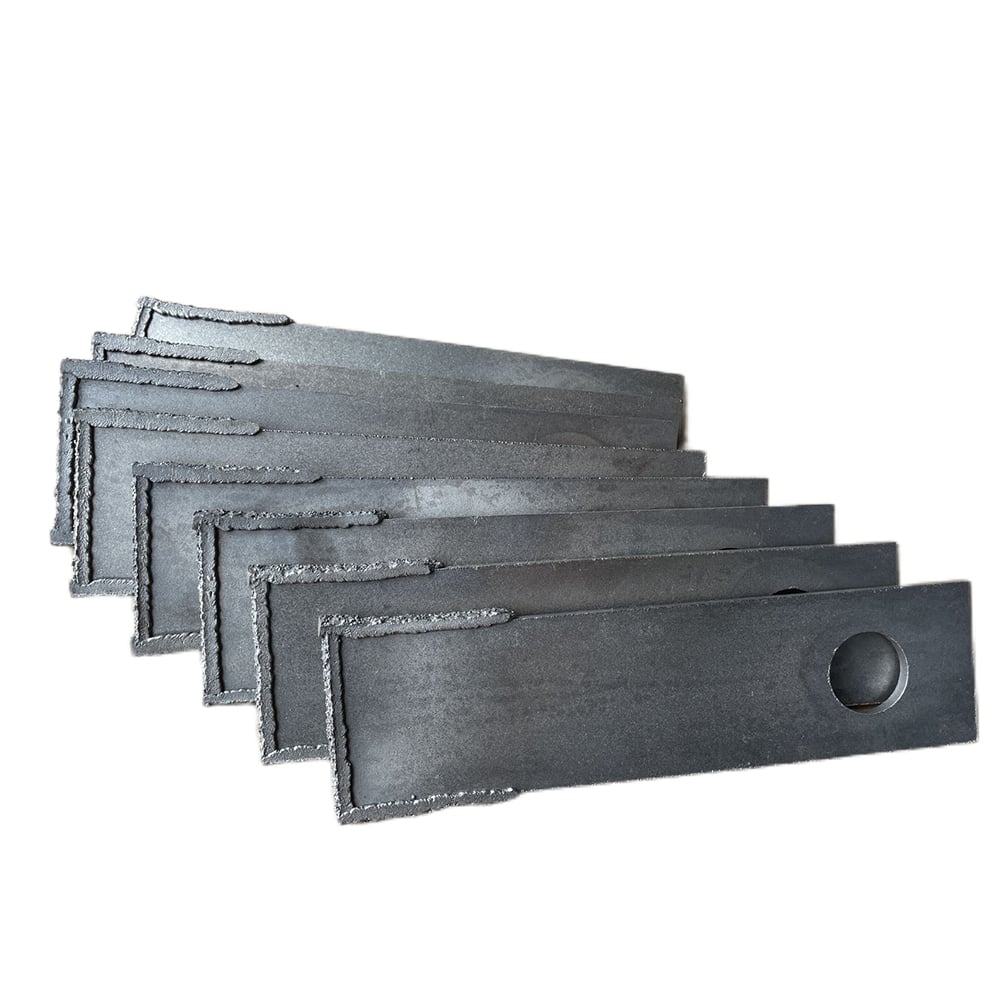
Η ανομοιόμορφη φθορά των σφυριών κατά τη συνεχή βιομηχανική λειτουργία δημιουργεί μια αλυσιδωτή αντίδραση λειτουργικών προβλημάτων που επηρεάζουν σημαντικά την παραγωγικότητα, τη διάρκεια ζωής του εξοπλισμού και το κόστος συντήρησης. Όταν τα σφυριά υφίστανται ανώμαλα πρότυπα φθοράς, η προκύπτουσα ανισορροπία επηρεάζει ολόκληρο το σύστημα θραύσης ή λείανσης, με αποτέλεσμα μειωμένη απόδοση, αυξημένη ταλάντωση και πρόωρη αστοχία εξαρτημάτων σε πολλά στοιχεία της μηχανής.
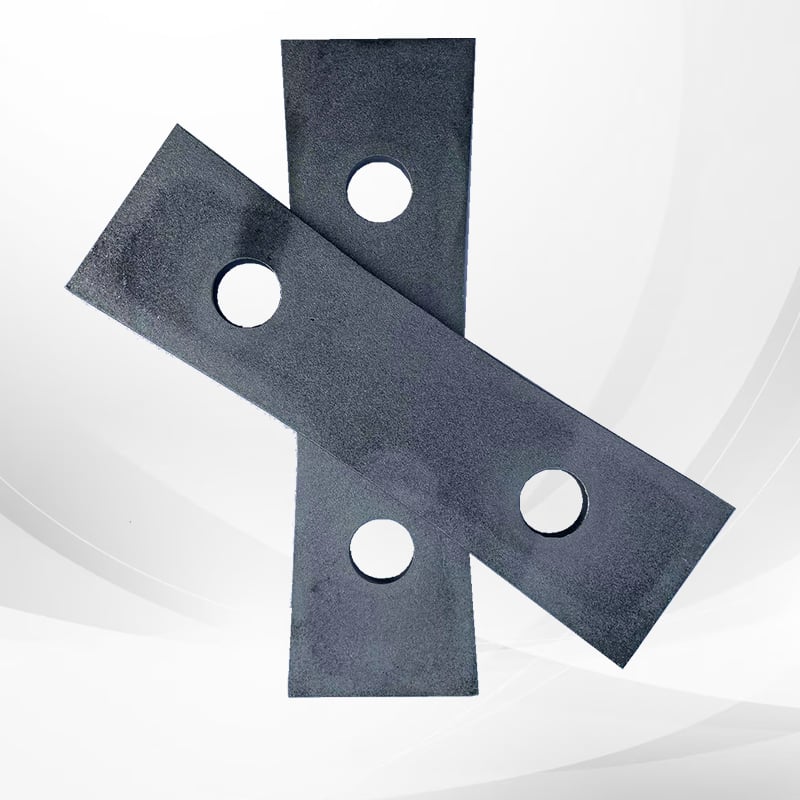
Η κατανόηση των συγκεκριμένων προβλημάτων που προκύπτουν από την ανομοιόμορφη φθορά των σφυριών επιτρέπει στους χειριστές να εφαρμόσουν προληπτικές στρατηγικές συντήρησης και να αναγνωρίζουν τα πρώιμα σημάδια προειδοποίησης πριν από την εμφάνιση δαπανηρών βλαβών. Αυτά τα προβλήματα που σχετίζονται με τη φθορά εκδηλώνονται σε μηχανικό, λειτουργικό και οικονομικό επίπεδο, απαιτώντας ολοκληρωμένη ανάλυση για τη διατήρηση βέλτιστης απόδοσης θραύσης και αξιοπιστίας του εξοπλισμού σε απαιτητικά βιομηχανικά περιβάλλοντα.
Μηχανική Ζημιά και Εξασθένιση Εξαρτημάτων
Ανισορροπία του Δρομέα και Προβλήματα Ταλάντωσης
Η ανομοιόμορφη φθορά των σφυριών δημιουργεί σημαντική ανισορροπία του δρομέα, η οποία προκαλεί υπερβολική δόνηση σε όλο το σύστημα θραύσης. Όταν ορισμένα σφυριά φθείρονται ταχύτερα από άλλα, η κατανομή του βάρους γύρω από τον δρομέα γίνεται ανώμαλη, με αποτέλεσμα ολόκληρη η συναρμολόγηση να ταλαντώνεται κατά τη λειτουργία. Αυτή η ανισορροπία δημιουργεί δονήσεις που υπερβαίνουν τις επιτρεπόμενες ανοχές σχεδιασμού και διαδίδονται μέσω του πλαισίου της μηχανής στον εξοπλισμό που είναι συνδεδεμένος.
Οι δονήσεις από την ανομοιόμορφη φθορά των σφυριών ασκούν τεράστια τάση στα κουζινέτα, στα εξαρτήματα του περιβλήματος και στις δομές υποστήριξης. Τα συνολικά κουζινέτα υφίστανται πρόωρη κόπωση, καθώς προσπαθούν να ανταποκριθούν στις ανώμαλες δυνάμεις που δημιουργεί ο ανισορροπημένος δρομέας. Αυτές οι συνθήκες επιταχύνουν τη φθορά των κουζινετών και αυξάνουν την πιθανότητα καταστροφικής αποτυχίας τους κατά τη συνεχή λειτουργία.
Τα θεμέλια και τα συστήματα στήριξης υφίστανται επίσης τις επίμονες δονήσεις που προκαλούνται από την ανώμαλη φθορά των σφυριών μοτίβα. Η συνεχής μηχανική τάση μπορεί να χαλαρώσει τα παξιμάδια, να προκαλέσει ρωγμές στις πλάκες στήριξης και να υπονομεύσει τη δομική ακεραιότητα ολόκληρης της εγκατάστασης με την πάροδο του χρόνου.
Επιτάχυνση φθοράς άξονα και πειρών
Η ανομοιόμορφη φθορά των σφυριών δημιουργεί ανισορροπημένες συνθήκες φόρτισης που επιταχύνουν τη φθορά των αξόνων του δρομέα και των πειρών των σφυριών. Όταν τα σφύρια φθείρονται ανομοιόμορφα, οι δυνάμεις που ασκούνται στον άξονα γίνονται ασύμμετρες, προκαλώντας ροπές κάμψης και συγκεντρώσεις τάσεων που υπερβαίνουν τις κανονικές λειτουργικές παραμέτρους. Αυτό το ανομοιόμορφο μοτίβο φόρτισης προκαλεί επιταχυνόμενη φθορά στις επιφάνειες των αξόνων και στις συνδέσεις με το πρισματικό αυλάκι.
Οι πείροι των σφυριών υφίστανται αυξημένους ρυθμούς φθοράς όταν τα γειτονικά σφύρια έχουν διαφορετικά επίπεδα φθοράς. Η ανισόμετρη κατανομή βάρους δημιουργεί μεταβλητές δυνάμεις κρούσης που προκαλούν τη χαλάρωση των πειρών ή την οβαλοποίησή τους με την πάροδο του χρόνου. Η φθορά αυτών των πειρών επιδεινώνει περαιτέρω το πρόβλημα, επιτρέποντας στα σφύρια να μετατοπίζονται κατά τη λειτουργία, με αποτέλεσμα την περαιτέρω επιδείνωση της κατάστασης ανισορροπίας.
Τα ακανόνιστα μοτίβα τάσης που προκαλούνται από την ανομοιόμορφη φθορά των σφυριών επηρεάζουν επίσης τη συναρμολόγηση του δίσκου του ρότορα, προκαλώντας ρωγμές λόγω τάσης γύρω από τις οπές των πειρών και τα σημεία στήριξης. Αυτά τα δομικά ελαττώματα μπορούν να οδηγήσουν σε καταστροφική αποτυχία του ρότορα, εάν δεν αντιμετωπιστούν εγκαίρως μέσω κατάλληλης συντήρησης και προγραμματισμού αντικατάστασης των σφυριών.
Προβλήματα Αποδοτικότητας Παραγωγής και Ποιότητας Εξόδου
Ανομοιόμορφη Κατανομή Μεγέθους Προϊόντων
Η ανομοιόμορφη φθορά των σφυριών επηρεάζει άμεσα τη συνέπεια της κατανομής του μεγέθους του θρυμματισμένου υλικού, δημιουργώντας σημαντικά προβλήματα ελέγχου ποιότητας σε βιομηχανικές εγκαταστάσεις. Όταν τα σφύρια φθείρονται με διαφορετικούς ρυθμούς, το κενό μεταξύ των άκρων των σφυριών και των επιφανειών κρούσης καθίσταται ακανόνιστο καθ’ όλο το πλάτος του ρότορα, με αποτέλεσμα μη ομοιόμορφη δράση θρυμματισμού που παράγει ασυνεπή μεγέθη σωματιδίων στο τελικό προϊόν.
Η ανώμαλη δράση θραύσης λόγω ανομοιόμορφης φθοράς των σφυριών δημιουργεί μια ευρύτερη κατανομή μεγεθών από την προβλεπόμενη, με ορισμένα υλικά να υφίστανται ανεπαρκή θραύση, ενώ άλλα τμήματα υποβάλλονται σε υπερβολική θραύση. Αυτή η ασυνέπεια επηρεάζει τον εξοπλισμό επεξεργασίας στα επόμενα στάδια και μπορεί να οδηγήσει σε απόρριψη του προϊόντος λόγω μη συμμόρφωσης με αυστηρές προδιαγραφές μεγέθους.
Τα μοτίβα ροής του υλικού εντός της θάλαμου θραύσης διαταράσσονται όταν η φθορά των σφυριών είναι ανομοιόμορφη, δημιουργώντας νεκρές ζώνες όπου συσσωρεύεται το υλικό και περιοχές υπερβολικής κρούσης που παράγουν ανεπιθύμητα λεπτά κλάσματα. Αυτές οι ανωμαλίες ροής μειώνουν τη συνολική απόδοση της επεξεργασίας και μπορούν να προκαλέσουν συσσώρευση υλικού, η οποία επιδεινώνει περαιτέρω τα προβλήματα φθοράς.
Μειωμένη Ικανότητα Διέλευσης
Η χωρητικότητα επεξεργασίας μειώνεται σημαντικά όταν η φθορά των σφυριών γίνεται ανομοιόμορφη, καθώς η ακανόνιστη θραύση μειώνει την αποτελεσματική ζώνη θραύσης και δυσχεραίνει τη ροή του υλικού μέσω της θάλαμου. Οι φθαρμένες περιοχές δεν μπορούν να επεξεργαστούν αποτελεσματικά το υλικό, δημιουργώντας στενά σημεία που περιορίζουν τη συνολική παροχή, παρά τη λειτουργία του θραυστήρα σε πλήρη ισχύ.
Η μειωμένη απόδοση θραύσης λόγω ανομοιόμορφης φθοράς των σφυριών αναγκάζει τους χειριστές να μειώσουν τους ρυθμούς τροφοδοσίας για να διατηρήσουν αποδεκτή ποιότητα προϊόντος, επηρεάζοντας άμεσα τους στόχους παραγωγής και τη λειτουργική βιωσιμότητα. Οι χαμηλότεροι ρυθμοί παροχής αυξάνουν το κόστος ανά τόνο επεξεργασμένου υλικού και μπορούν να δημιουργήσουν στενά σημεία σε ενσωματωμένα συστήματα επεξεργασίας.
Η κατανάλωση ενέργειας ανά τόνο επεξεργασμένου υλικού αυξάνεται όταν η φθορά των σφυριών είναι ανομοιόμορφη, καθώς ο θραυστήρας πρέπει να καταβάλει μεγαλύτερη προσπάθεια για να επιτύχει τον ίδιο λόγο μείωσης. Αυτή η αυξημένη ζήτηση ενέργειας μειώνει τη συνολική απόδοση του συστήματος και αυξάνει τα λειτουργικά κόστη χωρίς ανάλογη αύξηση της παραγωγικής απόδοσης.
Λειτουργικές Προκλήσεις και Ανησυχίες για την Ασφάλεια
Αυξημένες απαιτήσεις συντήρησης
Η ανομοιόμορφη φθορά των σφυριών αυξάνει δραματικά τη συχνότητα και την πολυπλοκότητα της συντήρησης, καθώς οι χειριστές πρέπει να αντιμετωπίζουν τόσο τα άμεσα προβλήματα φθοράς όσο και τα δευτερεύοντα προβλήματα που προκαλούνται από την ανισορροπία του συστήματος. Η τακτική παρακολούθηση γίνεται ακόμη πιο κρίσιμη όταν τα μοτίβα φθοράς των σφυριών είναι ανώμαλα, απαιτώντας συχνότερες επιθεωρήσεις και μετρήσεις για να αποτραπούν καταστροφικές αστοχίες.
Η επιταχυνόμενη φθορά των δευτερεύοντων εξαρτημάτων λόγω ανομοιόμορφης φθοράς των σφυριών δημιουργεί μια αλυσιδωτή αντίδραση αναγκών συντήρησης που εκτείνεται πέραν της απλής αντικατάστασης των σφυριών. Οι κινητήριοι άξονες, οι σφραγίδες και τα δομικά εξαρτήματα απαιτούν πιο συχνή προσοχή όταν υπόκεινται στην αυξημένη τάση και την ταλάντωση που προκαλείται από την ανισορροπία του δρομέα.
Η διαχείριση του προγράμματος συντήρησης γίνεται πιο περίπλοκη όταν αντιμετωπίζεται η μη ομοιόμορφη φθορά των σφυριών, καθώς διαφορετικά σφύρια φθάνουν στα κριτήρια αντικατάστασης σε διαφορετικούς χρόνους. Αυτή η προκληθείσα δυσκολία στον προγραμματισμό μπορεί να οδηγήσει είτε σε πρόωρη αντικατάσταση λειτουργικών σφυριών είτε σε κίνδυνο συνέχισης της λειτουργίας με υπερβολικές διαφορές φθοράς, οι οποίες επιδεινώνουν τα μηχανικά προβλήματα.
Κίνδυνοι για την ασφάλεια και λειτουργικοί κίνδυνοι
Η υπερβολική δόνηση που προκαλείται από τη μη ομοιόμορφη φθορά των σφυριών δημιουργεί σημαντικά προβλήματα ασφάλειας τόσο για τους χειριστές του εξοπλισμού όσο και για το προσωπικό που βρίσκεται στην περιοχή. Οι ακανόνιστες μηχανικές δυνάμεις μπορούν να προκαλέσουν δομικές αστοχίες, χαλαρά εξαρτήματα ή αιφνίδια διακοπή λειτουργίας του εξοπλισμού, με αποτέλεσμα άμεσο κίνδυνο για τους εργαζόμενους στην περιοχή λειτουργίας.
Τα υπόλοιπα και τα θραύσματα των σφυριών γίνονται πιο πιθανά όταν η φθορά είναι μη ομοιόμορφη, καθώς τα εντασιοκαταπονούμενα εξαρτήματα είναι πιο ευάλωτα σε καταστροφική αστοχία κατά τη λειτουργία. Η αυξημένη δόνηση και η τάση μπορούν να προκαλέσουν τη χαλάρωση των βιδών των σφυριών ή τη ραγδαία ρωγμή των τμημάτων των σφυριών, δημιουργώντας κινδύνους εκτόξευσης αντικειμένων που απειλούν την ασφάλεια του προσωπικού.
Οι καταστάσεις έκτακτης διακοπής γίνονται συχνότερες όταν η φθορά των σφυριών είναι ανομοιόμορφη, καθώς τα συστήματα προστασίας αντιδρούν σε υπερβολικές δονήσεις, ασυνήθιστο θόρυβο ή μηχανικές ανωμαλίες. Αυτές οι απρόβλεπτες διακοπές διαταράσσουν τους προγραμματισμούς παραγωγής και μπορούν να δημιουργήσουν κινδύνους για την ασφάλεια κατά τη διαδικασία έκτακτης διακοπής.
Οικονομική επίδραση και συνέπειες στο κόστος
Αύξηση των άμεσων δαπανών συντήρησης
Η οικονομική επίδραση της ανομοιόμορφης φθοράς των σφυριών εκτείνεται πολύ πέρα από το κόστος αντικατάστασης των σφυριών, περιλαμβάνοντας αυξημένα έξοδα εργασίας, συχνότερες διακοπές λειτουργίας και επιταχυνόμενη φθορά ακριβών δευτερευόντων εξαρτημάτων. Οι ομάδες συντήρησης πρέπει να δαπανούν επιπλέον χρόνο για τη διάγνωση των προτύπων φθοράς, την εξισορρόπηση των περιστρεφόμενων μερών και την αντικατάσταση εξαρτημάτων που αποτυγχάνουν πρόωρα λόγω της μηχανικής τάσης που προκαλείται από την ανώμαλη φθορά των σφυριών.
Οι δαπάνες αποθεματοποίησης αυξάνονται όταν αντιμετωπίζεται η ανομοιόμορφη φθορά των σφυριών, καθώς οι χειριστές πρέπει να διατηρούν μεγαλύτερα αποθέματα ανταλλακτικών για να αντιμετωπίσουν τα απρόβλεπτα μοτίβα αστοχίας των εντασιοκαταπονημένων εξαρτημάτων. Το επίσης ανώμαλο χρονοδιάγραμμα αντικατάστασης των σφυριών δυσχεραίνει επίσης τη διαχείριση αποθεμάτων και αυξάνει το κόστος φύλαξης των ειδών συντήρησης.
Οι δαπάνες έκτακτης επισκευής αυξάνονται όταν η ανομοιόμορφη φθορά των σφυριών οδηγεί σε απρόβλεπτες αστοχίες, απαιτώντας τιμές προτεραιότητας για επιταχυνόμενη παράδοση ανταλλακτικών, υπερωριακούς μισθούς εργασίας και ενδεχομένως μίσθωση εξοπλισμού για τη διατήρηση των προγραμμάτων παραγωγής. Αυτές οι απρόβλεπτες δαπάνες μπορούν να υπερβούν σημαντικά το κόστος προληπτικών προγραμμάτων συντήρησης που σχεδιάζονται για την πρόληψη της ανομοιόμορφης φθοράς.
Απώλεια παραγωγής και επίδραση στα έσοδα
Η μειωμένη χωρητικότητα παραγωγής λόγω ανομοιόμορφης φθοράς των σφυριών επηρεάζει άμεσα τη δημιουργία εσόδων, καθώς οι χαμηλότεροι ρυθμοί παραγωγής μειώνουν τον όγκο του εμπορεύσιμου προϊόντος που παράγεται ανά ώρα λειτουργίας. Οι ασυνέπειες στην ποιότητα που προκαλούνται από την ανώμαλη διαδικασία θρυμματισμού μπορούν επίσης να οδηγήσουν σε απόρριψη του προϊόντος ή σε ποινικές μειώσεις τιμής, με αποτέλεσμα περαιτέρω μείωση του δυναμικού εσόδων.
Οι επεκτεταμένες περίοδοι αναστολής λειτουργίας για διορθωτική συντήρηση προβλημάτων που οφείλονται στη φθορά προκαλούν σημαντικές απώλειες παραγωγής, οι οποίες συσσωρεύονται με τον καιρό. Αυτές οι απρόβλεπτες διακοπές διαταράσσουν τους χρονοπρογραμματισμούς παράδοσης στους πελάτες και μπορούν να οδηγήσουν σε συμβατικές ποινές ή σε χαμένες ευκαιρίες επιχειρηματικής συνεργασίας, με μακροπρόθεσμες οικονομικές επιπτώσεις.
Η αυξημένη κατανάλωση ενέργειας που συνδέεται με τη λειτουργία των σφυριών υπό συνθήκες ανομοιόμορφης φθοράς αυξάνει το κόστος χρήσης υπηρεσιών χωρίς ανάλογη αύξηση της παραγωγικής απόδοσης, με αποτέλεσμα τη μείωση της συνολικής λειτουργικής κερδοφορίας και της ανταγωνιστικότητας σε αγορές που είναι ευαίσθητες ως προς το κόστος, όπου η ενεργειακή απόδοση είναι κρίσιμη για τη διατήρηση βιώσιμων λειτουργιών.
Συχνές Ερωτήσεις
Πόσο γρήγορα αναπτύσσεται η ανομοιόμορφη φθορά των σφυριών κατά τη συνεχή λειτουργία;
Η ανομοιόμορφη φθορά των σφυριών μπορεί να αναπτυχθεί εντός 100–200 ωρών λειτουργίας σε απαιτητικές εφαρμογές, ιδίως κατά την επεξεργασία απαιτητικών υλικών ή όταν η τροφοδοσία δεν είναι βέλτιστη. Ο ρυθμός ανάπτυξης εξαρτάται από τα χαρακτηριστικά του υλικού, την ομοιογένεια της τροφοδοσίας και την ποιότητα της αρχικής τοποθέτησης των σφυριών. Η τακτική παρακολούθηση κατά τις πρώτες 500 ώρες λειτουργίας βοηθά στον εντοπισμό εμφανιζόμενων προτύπων φθοράς προτού αυτά καταστούν προβληματικά.
Μπορεί να διορθωθεί η ανομοιόμορφη φθορά των σφυριών χωρίς πλήρη αντικατάσταση των σφυριών;
Μικρής έκτασης ανομοιόμορφη φθορά των σφυριών μπορεί ενδεχομένως να αντιμετωπιστεί με επιλεκτική αντικατάσταση ή επανατοποθέτηση ορισμένων σφυριών, ωστόσο σημαντικές διαφορές φθοράς απαιτούν συνήθως την πλήρη αντικατάσταση του συνόλου των σφυριών για την αποκατάσταση της κατάλληλης ισορροπίας και απόδοσης. Η προσπάθεια διόρθωσης έντονης ανομοιόμορφης φθοράς μέσω μερικής αντικατάστασης οδηγεί συχνά σε συνεχιζόμενα προβλήματα και επιταχυνόμενη φθορά των νέων σφυριών λόγω διαρκούς ανισορροπίας του δρομέα.
Ποιες τεχνικές παρακολούθησης εντοπίζουν καλύτερα τα πρώιμα σημάδια ανομοιόμορφης φθοράς των σφυριών;
Η παρακολούθηση των δονήσεων παρέχει την πιο αποτελεσματική πρώιμη ανίχνευση αναπτυσσόμενης ανομοιόμορφης φθοράς των σφυριών, καθώς η ανισορροπία του δρομέα δημιουργεί χαρακτηριστικά σήματα συχνότητας που υποδεικνύουν την πρόοδο της φθοράς. Η τακτική εξέταση της κατανομής μεγέθους του υλικού εκροής, σε συνδυασμό με περιοδικές μετρήσεις ισορροπίας του δρομέα και οπτικές αξιολογήσεις της κατάστασης των σφυριών κατά τη διάρκεια προγραμματισμένων συντηρήσεων, επιτρέπει προληπτική παρέμβαση πριν από την εμφάνιση σοβαρών προβλημάτων.
Πώς επηρεάζει ο τύπος του υλικού την ανάπτυξη ανομοιόμορφων προτύπων φθοράς των σφυριών;
Απαιτητικά υλικά, όπως το κρυσταλλικό ψάμμινο και το ανακυκλωμένο σκυρόδεμα, επιταχύνουν την ανώμαλη φθορά των σφυριών, ενώ πιο μαλακά υλικά, όπως το ασβεστόλιθος, τείνουν να προκαλούν πιο ομοιόμορφα μοτίβα φθοράς. Υλικά με υψηλή περιεκτικότητα σε αργιλικά ορυκτά ή υγρασία μπορούν να προκαλέσουν συσσωρεύσεις στα σφυριά, γεγονός που οδηγεί σε ανώμαλη φθορά, ενώ εξαιρετικά σκληρά υλικά προκαλούν γρήγορη, αλλά συχνά ομοιόμορφη, φθορά σε όλες τις θέσεις των σφυριών, εφόσον η κατανομή της τροφοδοσίας διατηρείται σωστά.
Περιεχόμενα
- Μηχανική Ζημιά και Εξασθένιση Εξαρτημάτων
- Προβλήματα Αποδοτικότητας Παραγωγής και Ποιότητας Εξόδου
- Λειτουργικές Προκλήσεις και Ανησυχίες για την Ασφάλεια
- Οικονομική επίδραση και συνέπειες στο κόστος
-
Συχνές Ερωτήσεις
- Πόσο γρήγορα αναπτύσσεται η ανομοιόμορφη φθορά των σφυριών κατά τη συνεχή λειτουργία;
- Μπορεί να διορθωθεί η ανομοιόμορφη φθορά των σφυριών χωρίς πλήρη αντικατάσταση των σφυριών;
- Ποιες τεχνικές παρακολούθησης εντοπίζουν καλύτερα τα πρώιμα σημάδια ανομοιόμορφης φθοράς των σφυριών;
- Πώς επηρεάζει ο τύπος του υλικού την ανάπτυξη ανομοιόμορφων προτύπων φθοράς των σφυριών;